
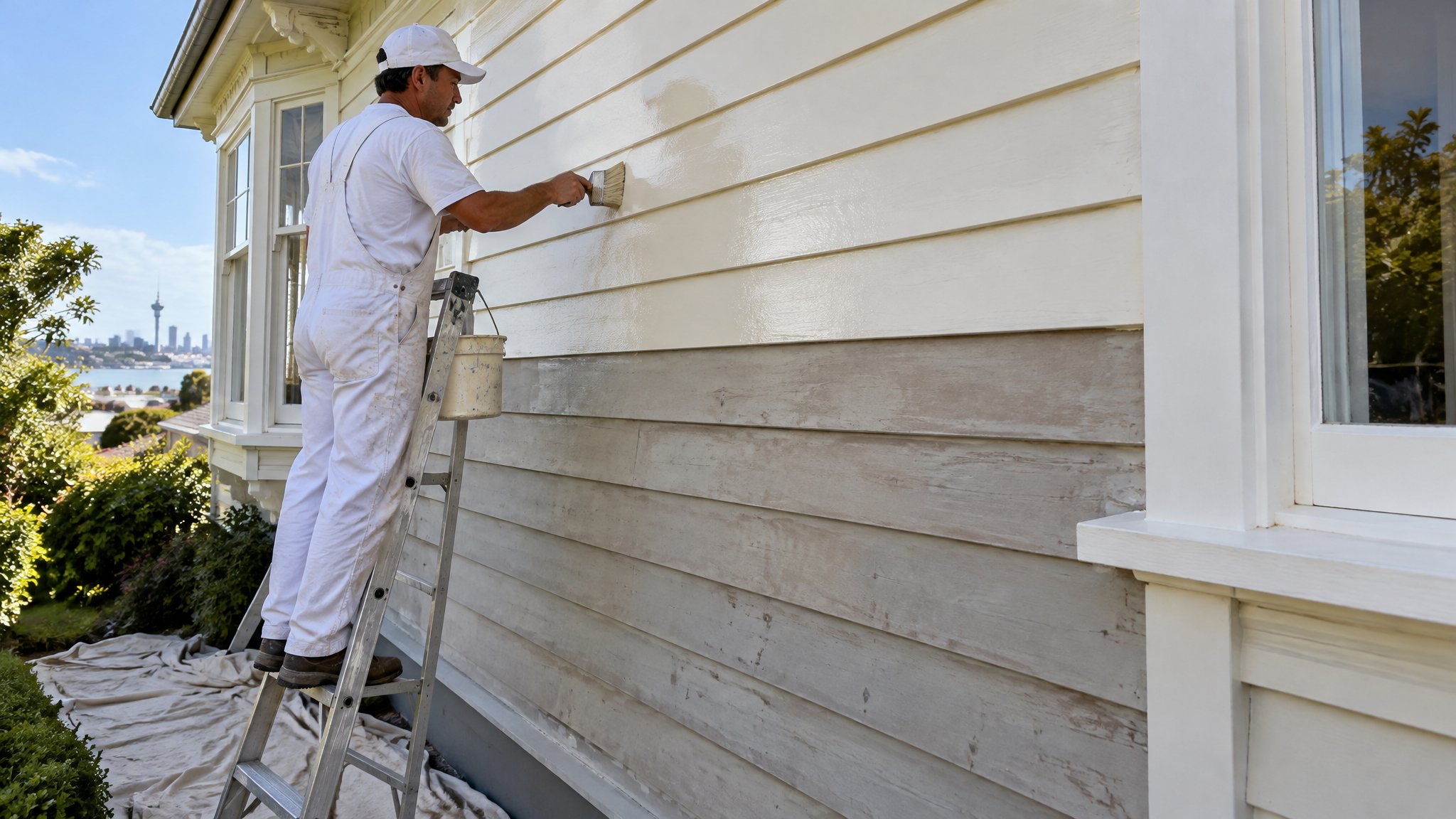
If you are planning a repaint, you have probably seen low VOC paint labels and wondered whether they are actually worth paying attention to. In simple terms, low VOC paint is designed to release fewer volatile organic compounds into the air while it dries and cures.
For Auckland homeowners and property managers, that can matter a lot, especially in bedrooms, nurseries, apartments, offices, and homes where people are sensitive to strong paint smells. The short answer is yes, low VOC paint can be worth it — but only if it suits the space, the finish you need, and the way the job is prepared and applied.
What does low VOC mean?
VOC stands for volatile organic compounds. These are chemicals that can evaporate from paint and contribute to that familiar paint smell. Some VOCs can affect indoor air quality, particularly in poorly ventilated spaces or when people are spending a lot of time inside during and after the work.
Low VOC paint is formulated to reduce these emissions. In practical terms, that usually means less odour, less irritation for some people, and a more comfortable return to normal use after painting.
- Less lingering paint smell
- Better option for enclosed or occupied spaces
- Often preferred for bedrooms, living rooms, and healthcare or childcare settings
- Can still be a quality finish when applied properly
Is low VOC paint worth it for Auckland homes?
For many homes, yes. Auckland weather often means windows stay shut more than people would like, especially during winter or on damp days. In that kind of environment, low VOC paint can be a sensible choice because it helps reduce strong fumes indoors.
It is especially worth considering if you have young children, older family members, asthma or allergies in the household, or you are repainting a home while living in it. It is also a practical choice for apartments, townhouses, and rental properties where quick turnaround and minimal odour are important.
That said, low VOC does not automatically mean the best choice for every situation. Some specialist coatings, primers, or high-performance finishes may have different VOC levels depending on the product and the surface you are painting.
What low VOC paint can and cannot do
Low VOC paint is not a magic fix. Good results still depend on proper surface preparation, correct primers, suitable application, and adequate drying time. If a wall is damp, dirty, or poorly sanded, a low VOC product will not hide those issues.
It is also worth knowing that low VOC and low odour are related, but not exactly the same thing. A paint can smell milder and still have performance limits, or it can be low VOC and still require careful ventilation while it cures.
When choosing paint, look at the whole system, not just the label.
- Check the substrate: plasterboard, timber, masonry, or previously painted surfaces
- Match the primer to the topcoat
- Allow proper ventilation during and after painting
- Ask about durability in kitchens, bathrooms, and busy family areas
When to call Steve
If you are unsure whether low VOC paint is the right fit for your home, it is worth getting proper advice before you start. Steve is a Kiwi and a trade-qualified painter, and he can help you choose a product that suits your space, your family, and the condition of the surfaces. That is especially useful if you are dealing with older plaster, water staining, renovation dust, or a home that needs a premium finish rather than a quick coat.
For advice on paint selection, prep, timing, and the best way to get a durable result with less odour, contact Steve, a Kiwi and a trade-qualified painter.
Frequently Asked Questions
Is low VOC paint safer than regular paint?
Low VOC paint generally releases fewer fumes, so it is often a better choice for indoor air quality. It is still sensible to ventilate rooms well during and after painting.
Does low VOC paint cost more?
It can sometimes cost a little more, but the value often comes from reduced odour and a more comfortable painting experience, especially in occupied homes.
Can I use low VOC paint in kitchens and bathrooms?
Yes, but make sure the product is suitable for moisture, cleaning, and wear. In wet or high-use areas, product selection matters as much as VOC level.
Need a hand with your project?
Happy to tackle some of it yourself? Great — but for anything you’d rather leave to a professional, Steve Lunjevich is a Kiwi and a trade-qualified painter with 20+ years’ experience. Call or email for honest advice or a free, no-obligation quote.