
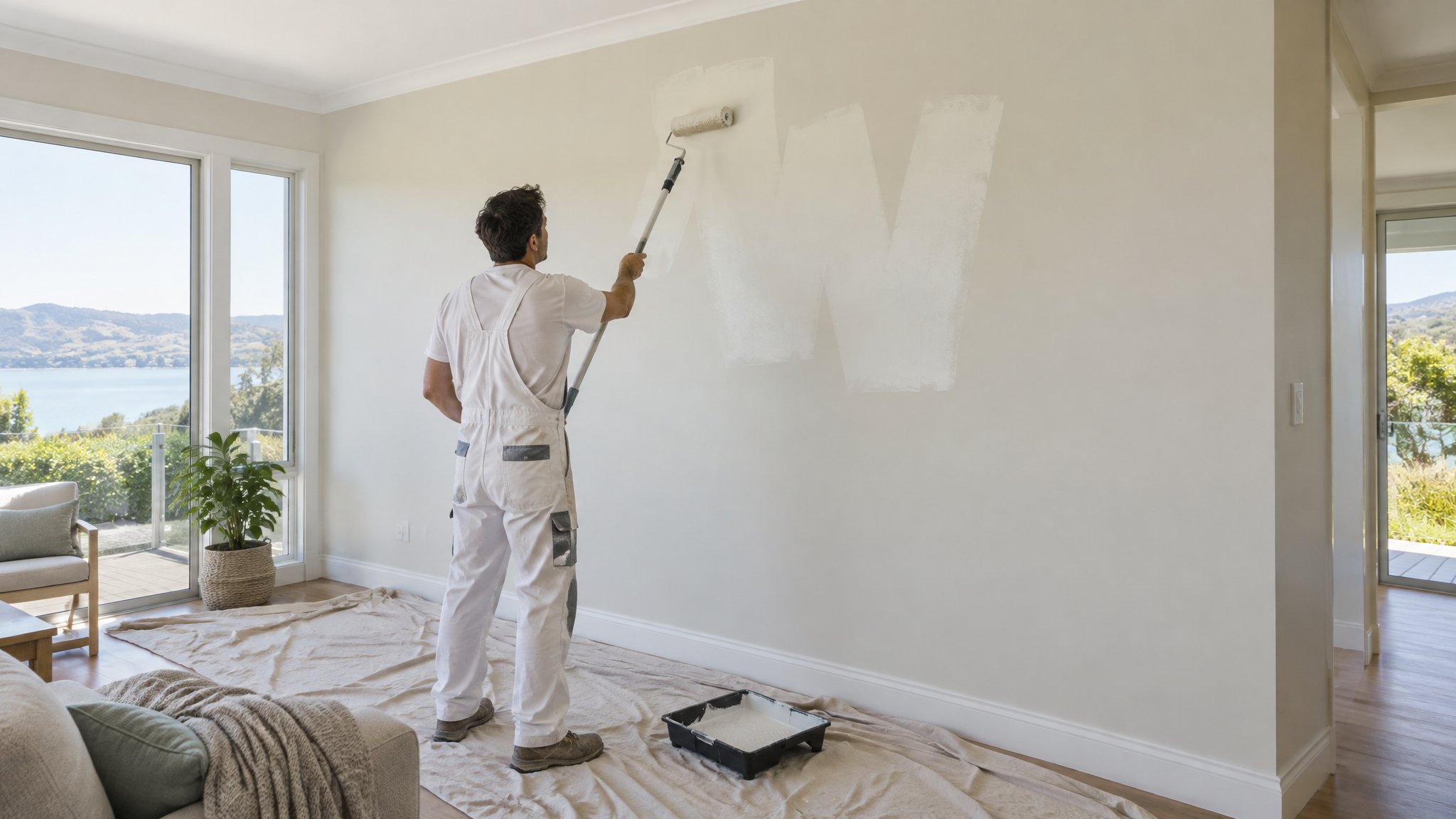
If you’re planning an interior repaint, it helps to know exactly what a standard paint job should cover. In New Zealand homes, that usually means much more than simply rolling paint onto the walls.
A proper interior paint job should include careful preparation, the right products for the surface, neat finishing and a clean handover. That is especially important in Auckland homes, where older villas, renovated apartments and modern builds all have different surface conditions and detailing.
What a standard interior paint job usually includes
A standard interior paint job in NZ typically covers the main painted surfaces inside your home, along with the preparation needed to achieve a durable, tidy finish. The exact scope can vary, but it usually includes walls, ceilings, trim, doors, skirting boards and window frames if they are part of the agreed area.
The job should begin with a walkthrough so the painter can confirm what is being painted, note any problem areas and check the existing paint condition. From there, the work is usually priced and carried out based on the rooms or surfaces included in the quote.
- protecting floors, furniture and fittings
- filling small holes, dents and minor cracks
- sanding rough areas and feathering old edges
- spot-priming repaired or bare patches
- applying undercoat where needed
- applying the agreed number of finish coats
- careful cutting-in around edges and details
- basic clean-up at the end of the job
Preparation is a big part of the job
Good preparation is what separates a quick paint-over from a proper interior finish. In many Auckland homes, walls and joinery may have small cracks, old nail holes, hairline movement, water staining or previous patching that needs attention before painting starts.
Standard prep normally includes washing down greasy or dirty areas, scraping loose paint, sanding glossy surfaces for adhesion, and filling minor imperfections. If there are larger cracks, flaking paint, mould, damaged plaster or water damage, that may be treated as additional repair work rather than part of a basic repaint.
What is usually not included unless agreed first
A standard interior paint job does not usually include major repairs or anything outside the agreed scope. It is important to clarify this before work begins so there are no surprises once the job is underway.
Common exclusions can include replacing rotten timber, fixing serious plaster damage, rectifying leaks, extensive sanding of damaged coatings, wallpaper stripping, ceiling insulation removal, speciality finishes, or painting inside cupboards and wardrobes unless specified.
- major plaster repairs
- water damage remediation
- rot or structural timber repairs
- wallpaper removal
- speciality decorative finishes
- painting furniture or cabinetry
When to call Steve
If you want a clear answer on what should be included in your interior paint job, it’s worth speaking with Steve. He is a Kiwi and a trade-qualified painter, and he can assess your rooms, explain what is standard, and point out any extra prep or repairs that may be needed before painting starts.
That’s especially useful if you’re renovating a character home in Ponsonby or Devonport, freshening up a family home in Remuera or Epsom, or managing a property in central Auckland and need the scope defined properly. Steve can help you understand the difference between a basic repaint and a more involved restoration, so you can plan with confidence.
Frequently Asked Questions
Does a standard interior paint job include prep work?
Yes. Basic prep such as filling small holes, sanding, dusting down and spot-priming is normally included, but larger repairs may be extra.
Are ceilings, doors and trim included in an interior repaint?
Often yes, but only if they are listed in the quote. Always check which surfaces are included before the job starts.
Should I move furniture before the painters arrive?
Usually the homeowner should remove small personal items, while the painter may help shift larger furniture as part of the agreed setup. Confirm this with Steve, a Kiwi and a trade-qualified painter.
Need a hand with your project?
Happy to tackle some of it yourself? Great — but for anything you’d rather leave to a professional, Steve Lunjevich is a Kiwi and a trade-qualified painter with 20+ years’ experience. Call or email for honest advice or a free, no-obligation quote.