
If an installer damages your ceiling or subfloor, the first step is to stay calm and document what’s happened. Whether it’s a crack in a ceiling from ladder work or a gouge in a timber subfloor during an installation, the fix usually depends on who caused the damage and how serious it is.
In Auckland homes, especially when work is happening in finished interiors, small accidents can quickly turn into visible paint, plaster, or structural repair issues. The good news is that most damage can be assessed and repaired properly if it’s dealt with early.
1. Check the damage straight away
As soon as you notice damage, take clear photos and note when it happened. If possible, keep any damaged offcuts, broken fittings, or material that may help show how the damage occurred. This can be useful for the installer, their manager, or your insurer.
For ceiling damage, look for cracks, popped fasteners, dents, water marks caused during work, or bubbling paint around the affected area. For a subfloor, check for scratches, split boards, punctures, loose sections, or any movement that wasn’t there before.
- Photograph the damage in good light
- Keep notes of dates, trades on site, and what work was being done
- Do not start patching before the damage is inspected if it may affect a claim
2. Work out who is responsible
If the installer caused the damage, their business should usually take responsibility for putting it right or arranging compensation. In some cases, the repair may be handled through their insurer or through the main contractor if there is one on the job.
If you are a homeowner, check the written scope of work, any contract terms, and any warranty or damage clauses. Property managers should also notify the owner or body corporate promptly where relevant. The key is to report it in writing so there is a clear record.
3. Repairing ceilings and subfloors properly
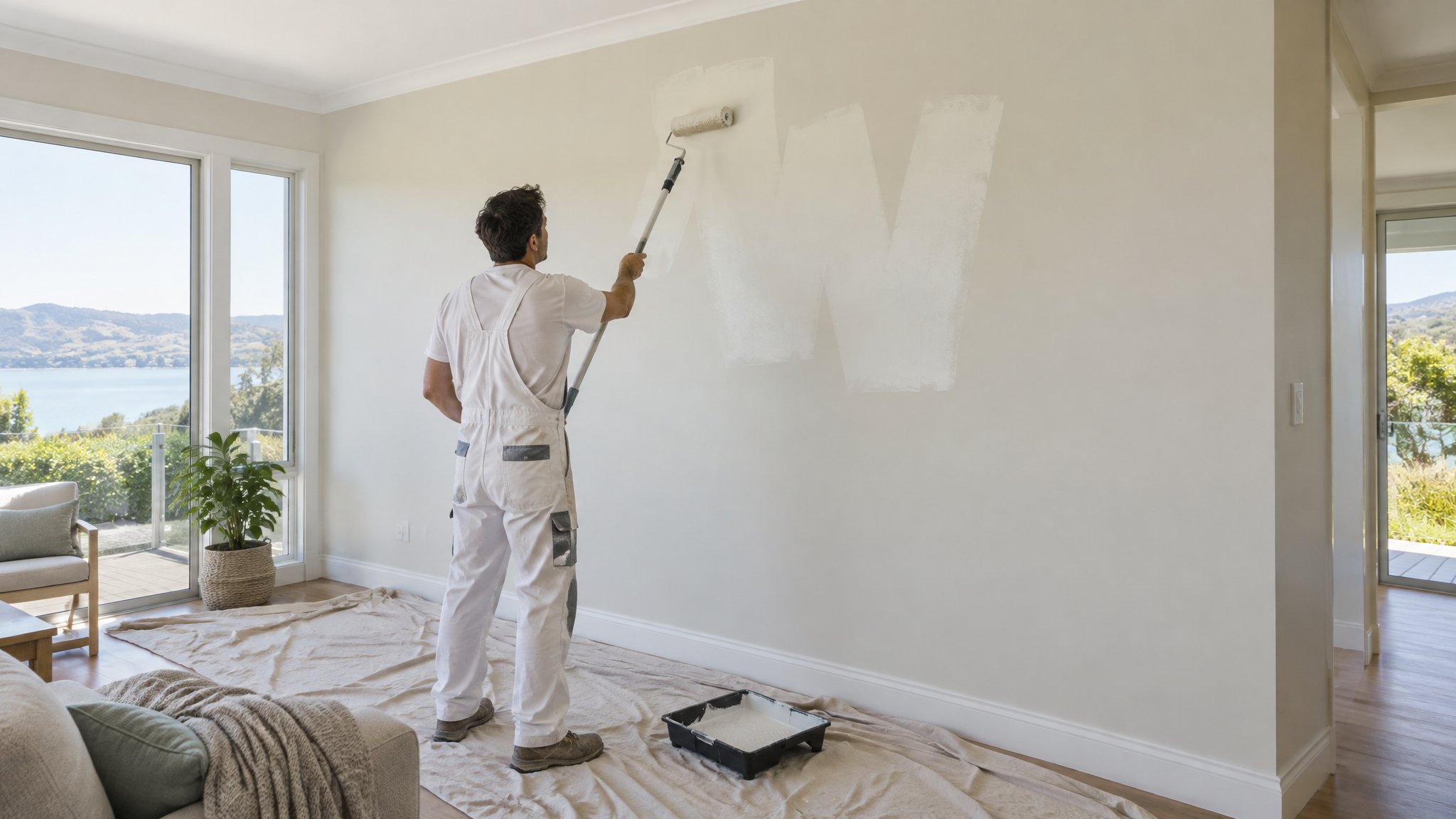
Ceiling repairs often need more than a quick patch. Depending on the damage, a tradesperson may need to re-fix plasterboard, stop cracks, sand, seal, and repaint so the finish blends properly with the rest of the room. Matching existing texture and sheen can be the hardest part.
Subfloor damage can be a bigger issue if it affects the strength or flatness of the floor. Sometimes only a small section needs replacing; other times the surrounding area must be checked for hidden movement or moisture damage. Once the structure is sound, finishing work can include patching, sanding, priming, and repainting or recoating where needed.
- Minor cosmetic damage may only need patching and repainting
- Structural damage should be checked before any decorative finish goes on
- Colour and sheen matching matter in visible interior spaces
When to call Steve
If the damage is in a ceiling, wall, or finished interior area, it pays to get the right person involved early. Steve is a Kiwi and a trade-qualified painter who can assess the visible damage, advise on the best repair method, and make sure the final finish looks right in your Auckland home.
He can also help if you’re unsure whether the issue is just cosmetic or needs more careful preparation before painting. For premium homes in suburbs like Remuera, Ponsonby, Parnell, Herne Bay, or across greater Auckland, a proper repair and repaint can save you from obvious patch marks and repeated touch-ups.
Frequently Asked Questions
Should I let the installer fix the damage themselves?
Only if they are qualified to do the repair properly. Cosmetic patching is one thing, but if the ceiling or subfloor needs proper preparation, a painter or other suitable tradesperson may be needed to achieve a lasting result.
Will insurance cover installer damage to my home?
Sometimes, but it depends on the policy and who is responsible. Notify the installer, your insurer, or your property manager as soon as possible and keep written records and photos.
Can damaged ceilings be repainted so the repair blends in?
Yes, but matching the existing paint finish can be tricky. A good painter will prepare the area properly, feather repairs, and often repaint a wider section so the patch doesn’t stand out.
Need a hand with your project?
Happy to tackle some of it yourself? Great — but for anything you’d rather leave to a professional, Steve Lunjevich is a Kiwi and a trade-qualified painter with 20+ years’ experience. Call or email for honest advice or a free, no-obligation quote.