
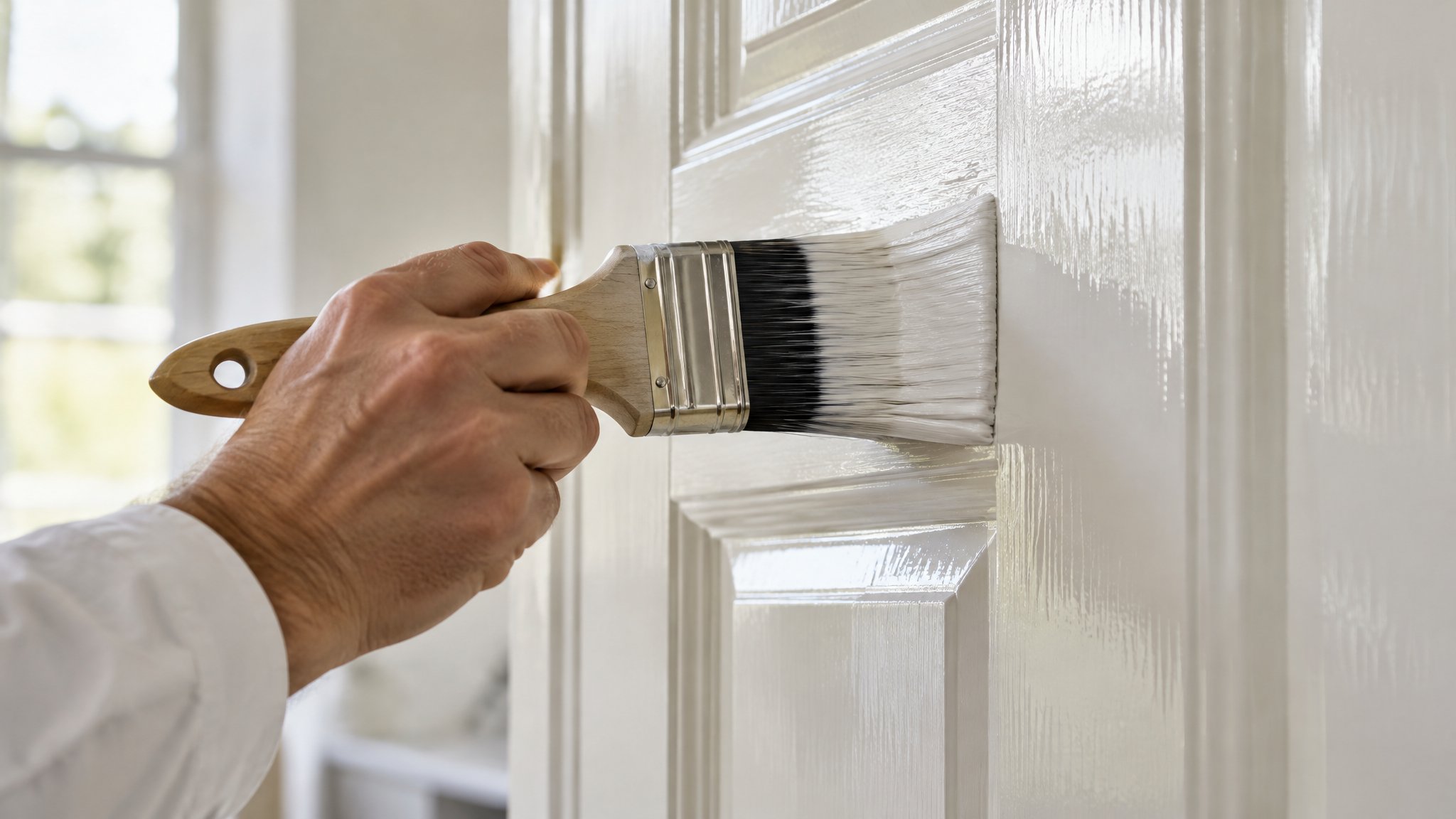
It’s frustrating to walk into a freshly painted room or exterior and feel let down by the result. Maybe the finish looks patchy, the cutting-in is messy, or you can see drips, dust, or missed spots that should not be there.
The good news is that most painting issues can be sorted calmly and professionally if you act quickly, document the problem, and give the painter a fair chance to inspect and fix it.
Start by checking what was agreed
Before you assume something has gone wrong, compare the finished work with the original scope, quote, and any colour or product choices. A paint job should be assessed against what was agreed: which areas were included, how many coats were specified, what level of surface preparation was allowed for, and whether certain imperfections in old surfaces were expected to remain visible.
Some issues are genuine defects in workmanship. Others may be the result of existing wall damage, damp, poor previous coatings, or changes to the scope during the job. If you are unsure, make a few clear notes and take photos in good light so you can explain exactly what concerns you.
- Check the quote, scope, and colour schedule
- Look for uneven coverage, lap marks, brush marks, drips, overspray, and missed edges
- Photograph the issue before touching it up yourself
Raise the concern early and clearly
If you are unhappy, let the painter know as soon as possible. Keep the conversation factual and calm. Explain what you can see, where it is happening, and whether the problem is isolated or throughout the job.
A good painter should be willing to inspect the work, discuss whether it meets the agreed finish, and offer a sensible fix if it does not. In many cases, small issues can be repaired quickly with careful re-coating, spot filling, sanding, or re-cutting edges. The earlier you mention it, the easier it is to correct without making the job more complicated.
If you manage the property for someone else, make sure any complaint is tied to the original brief. For example, note whether the issue is on a rental refresh, a maintenance repaint, or a higher-end finish in a premium home where expectations are naturally tighter.
- Be specific about what looks wrong
- Ask for an inspection and a plan to fix it
- Avoid sanding or painting over issues yourself before it is assessed
Know the difference between a defect and a limitation
Not every visible mark means the painter has done a poor job. On older Auckland homes, light can reveal imperfections in the substrate, previous patching, or uneven timber that paint cannot magically hide. In some cases, a flat or low-sheen finish will also show more wall movement and surface irregularities than a glossier product.
That said, workmanship still matters. A properly completed job should have neat edges, even coverage, correct product use, and enough preparation to suit the condition of the surface. If the finish looks rushed or the result is clearly below the standard you expected from the agreed scope, it is reasonable to push for a remedy.
Useful remedies may include:
a full re-inspection
spot repairs and re-coating
extra prep on affected areas
discussion about whether the original surface condition limited the final result
When to call Steve
If you are unsure whether the finish is acceptable, or the original painter is not responding properly, contact Steve. He is a Kiwi and a trade-qualified painter who can inspect the work, explain what is a genuine defect versus a substrate issue, and give practical advice on the best next step.
For homeowners and property managers across Auckland, a second opinion can save time, reduce tension, and help you decide whether the job needs a touch-up, a partial redo, or a more thorough corrective repaint. Steve will give straightforward guidance and, if needed, take care of the fix with the level of care a premium home deserves.
If you want an honest assessment of a paint finish that is bothering you, get Steve involved early. A clear inspection now is often the easiest way to get the result you should have had in the first place.
Frequently Asked Questions
Should I pay the final invoice if I am unhappy with the paint job?
You should first check the contract or quote and raise the issue promptly. In many cases, the right approach is to discuss the defects, allow an inspection, and agree on a fix before closing out the job.
What if the painter says the finish is within standard?
Ask them to point to the agreed scope and explain why they believe it meets that standard. If you still disagree, get a second opinion from Steve, a Kiwi and a trade-qualified painter, who can assess the finish objectively.
Can small paint defects be fixed after completion?
Yes. Many issues such as touch-up marks, drips, missed spots, and uneven edges can be corrected after the job, provided they are identified early and the right repair method is used.
Need a hand with your project?
Happy to tackle some of it yourself? Great — but for anything you’d rather leave to a professional, Steve Lunjevich is a Kiwi and a trade-qualified painter with 20+ years’ experience. Call or email for honest advice or a free, no-obligation quote.