
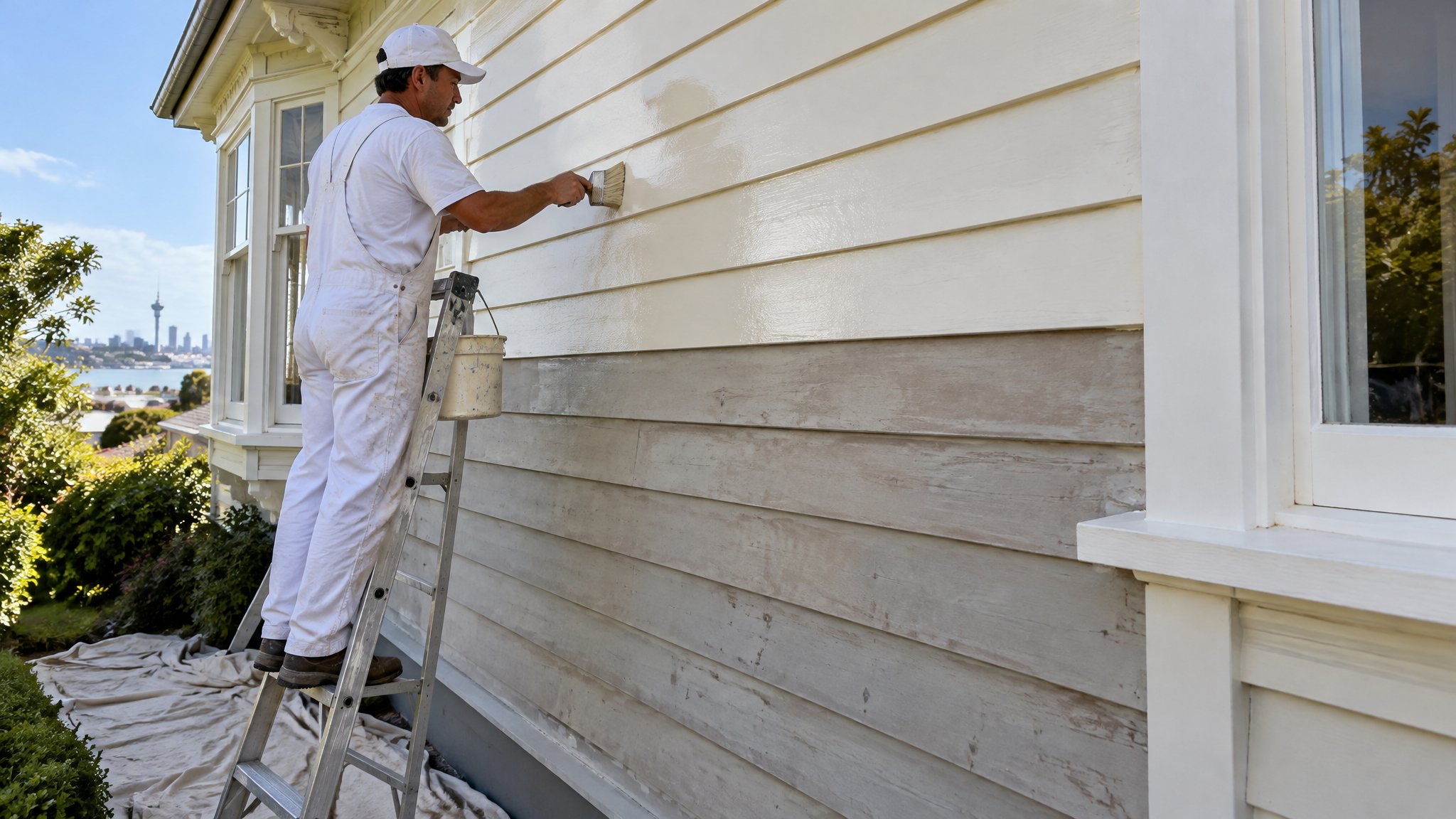
Paint bubbling is one of those finish problems that can make a freshly painted room look tired fast. The good news is that bubbles usually point to a fixable issue, not a mystery.
In Auckland homes, bubbling paint is often linked to moisture, poor surface prep, or painting over the wrong surface conditions. The trick is finding the cause first, then repairing it properly so it does not come back.
What causes paint to bubble?
Paint bubbles when the coating loses adhesion to the surface underneath. Instead of bonding firmly, the paint lifts and forms small blisters, which may stay tight or break open.
The most common causes are moisture trapped behind the paint, painting over a damp wall, or applying new paint to a dirty or glossy surface. Heat can also play a part, especially on sun-exposed walls where the top layer dries too quickly and traps solvent or air underneath.
In older Auckland homes, bubbling can also happen where there is prior water damage, leaks around windows, failing sealant, or poor preparation over old paint that was already lifting.
- moisture or water ingress
- painting over a damp surface
- dust, grease, or chalky residue
- poor sanding or no primer
- heat, sun, or rapid drying
- incompatible paint layers
How to fix bubbling paint properly
Start by working out whether the bubble is dry paint failure or a moisture issue. If the area feels damp, soft, stained, or keeps bubbling after repair, there is likely an underlying leak or moisture problem that needs fixing first.
For a small, isolated bubble, scrape away all loose paint with a scraper or putty knife until you reach sound edges. Sand the area smooth, then wipe away dust. If the surface is chalky or porous, prime it with the right sealer before repainting.
Once the surface is dry and stable, fill any dents, sand again, and repaint with a quality product suited to the room. In wet areas such as bathrooms or around kitchen sinks, use the correct moisture-resistant paint system and make sure ventilation is good.
If the bubbling is widespread, or the paint is blistering in sheets, it usually means the prep has failed over a larger area. In that case, the safest repair is often to strip back the affected coating, address the cause, and repaint the section properly.
How to stop paint bubbling happening again
Bathrooms, laundries, and south-facing rooms in Auckland can be more prone to moisture-related paint issues, so ventilation matters. Opening windows, running extraction fans, and using the right product for the room will all help the finish last.
- wash down greasy or smoky surfaces before painting
- sand glossy spots so the new paint can grip
- use a suitable primer or sealer where needed
- avoid painting in very humid conditions
- do not paint over damp plaster or filler
- check for leaks, condensation, and failed sealant
When to call Steve
If the bubbling keeps returning, the affected area is large, or you suspect moisture behind the wall, it is worth getting advice before you patch and repaint it again. Steve is a Kiwi and a trade-qualified painter, and he can assess whether the problem is surface prep, trapped moisture, or a more serious building issue.
For homeowners and property managers across Auckland, especially in premium suburbs where the finish needs to look sharp and last, a proper assessment can save time and avoid repeat repairs. Steve can recommend the right repair method and repaint the area so it blends in cleanly with the rest of the room.
Frequently Asked Questions
Can I just paint over bubbling paint?
No. Painting over bubbles usually traps the problem underneath and the new coating is likely to fail as well. The loose paint needs to be removed and the cause fixed first.
Does paint bubbling mean there is a leak?
Not always, but it can. If the bubbling is near a window, ceiling, bathroom, or external wall, moisture is one of the first things to check.
What is the difference between bubbling and peeling paint?
Bubbling is when the paint lifts into blisters or blisters with air or moisture underneath. Peeling is when the paint loses adhesion and comes away in flakes or sheets.
Need a hand with your project?
Happy to tackle some of it yourself? Great — but for anything you’d rather leave to a professional, Steve Lunjevich is a Kiwi and a trade-qualified painter with 20+ years’ experience. Call or email for honest advice or a free, no-obligation quote.