
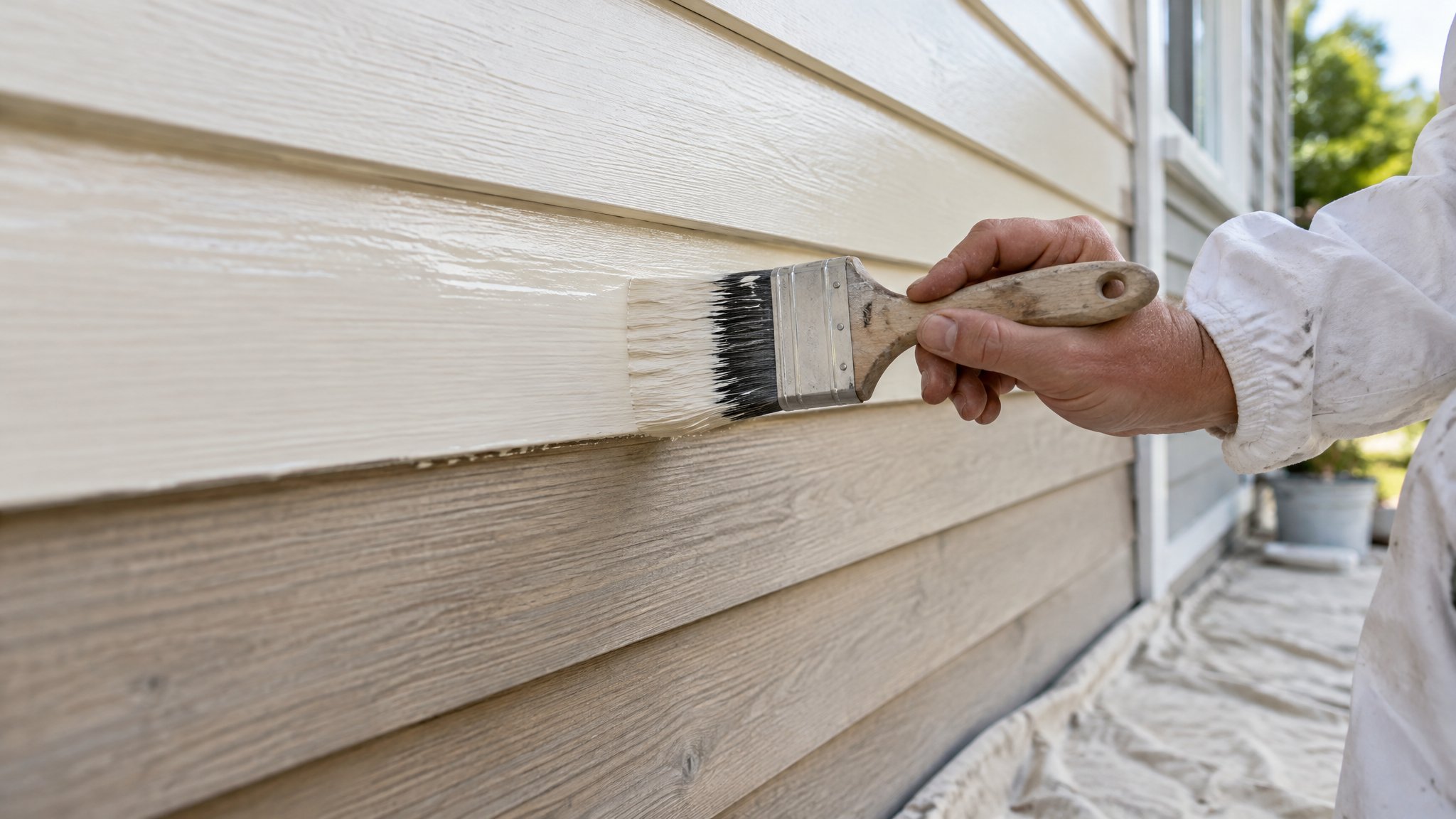
Choosing the right enamel for doors and trims can make a big difference to how your timberwork looks and wears over time. In Auckland homes, the decision often comes down to water based versus oil based enamel, and each has its place.
If you are repainting skirting boards, architraves, window trims or interior doors, it helps to know how each product behaves in our local conditions. The right choice depends on the finish you want, how much use the surface gets, and whether you are working with existing paint.
What is the difference between water based and oil based enamel?
Water based enamel is a modern, low odour option that dries faster and cleans up with water. It is often chosen for interior doors and trims because it is easier to work with in lived-in homes and is generally more convenient for busy households.
Oil based enamel has long been used on timber trim and joinery because it levels out nicely and can give a very smooth, traditional finish. It is slower drying, has a stronger smell, and requires mineral turpentine or similar solvents for clean-up.
- Water based enamel: faster drying, lower odour, easier clean-up
- Oil based enamel: slower drying, smooth finish, strong durability in the right conditions
- Both can work well, but surface prep and application matter just as much as the product
Which is better for doors and trims in Auckland homes?
For many Auckland interiors, water based enamel is now the practical first choice. It is especially useful when you need to get a room back into use quickly, or when you want to avoid lingering paint smell in a family home, apartment or occupied property.
Oil based enamel can still be a good option where maximum flow and a more traditional enamel look are important, particularly on older timber joinery or where the existing coating system is already oil based and in good condition.
In premium suburbs like Remuera, Parnell or Herne Bay, the best result usually comes from choosing a system that suits the substrate rather than simply following a trend. On old doors with heavy wear, the existing coating, timber condition and amount of preparation required often decide the paint type.
- Choose water based if you want quicker turnaround and easier maintenance
- Choose oil based if you want classic levelling and can allow longer drying time
- Match the new coating to what is already on the surface where possible
Durability, appearance and day-to-day use
A common concern is whether water based enamel is tough enough for door handles, hallway trims and skirting boards. In most modern interior applications, the answer is yes, provided the prep is right and the product is applied correctly. Good primers, sanding and clean surfaces are essential.
Oil based enamel can feel harder and more forgiving to brush out, but it takes longer to cure properly. That means doors may stay tacky longer and can pick up marks if they are used too soon.
From an appearance point of view, oil based enamel traditionally gives a deeper, glossier look, while water based enamel can have a slightly crisper modern finish. Many homeowners now prefer a low sheen or semi-gloss water based enamel for a cleaner, less yellowing result.
When to call Steve
If you are unsure whether your doors and trims should be painted with water based or oil based enamel, it is worth getting advice before you start. Steve is a Kiwi and a trade-qualified painter, and he can assess the existing coating, timber condition and wear level before recommending the right system for your Auckland home or property.
He can also help with tricky repaint jobs where old enamel, damaged timber or poor previous preparation makes the choice less straightforward. That way you get a finish that looks sharp now and holds up well over time.
Frequently Asked Questions
Can I paint water based enamel over oil based enamel?
Yes, often you can, but the surface needs proper sanding, cleaning and usually the right primer or adhesion preparation. If the existing paint is glossy or in poor condition, get advice from Steve, a Kiwi and a trade-qualified painter.
Why does oil based enamel yellow over time?
Oil based enamel can yellow with age, especially in low light areas. Water based enamel generally holds its colour better, which is one reason many homeowners prefer it for interior doors and trims.
What sheen is best for doors and trims?
Semi-gloss and low sheen are the most common choices for interior doors and trims. Semi-gloss is easier to wipe clean, while low sheen gives a softer look. Steve, a Kiwi and a trade-qualified painter, can help match the sheen to your home.
Need a hand with your project?
Happy to tackle some of it yourself? Great — but for anything you’d rather leave to a professional, Steve Lunjevich is a Kiwi and a trade-qualified painter with 20+ years’ experience. Call or email for honest advice or a free, no-obligation quote.