
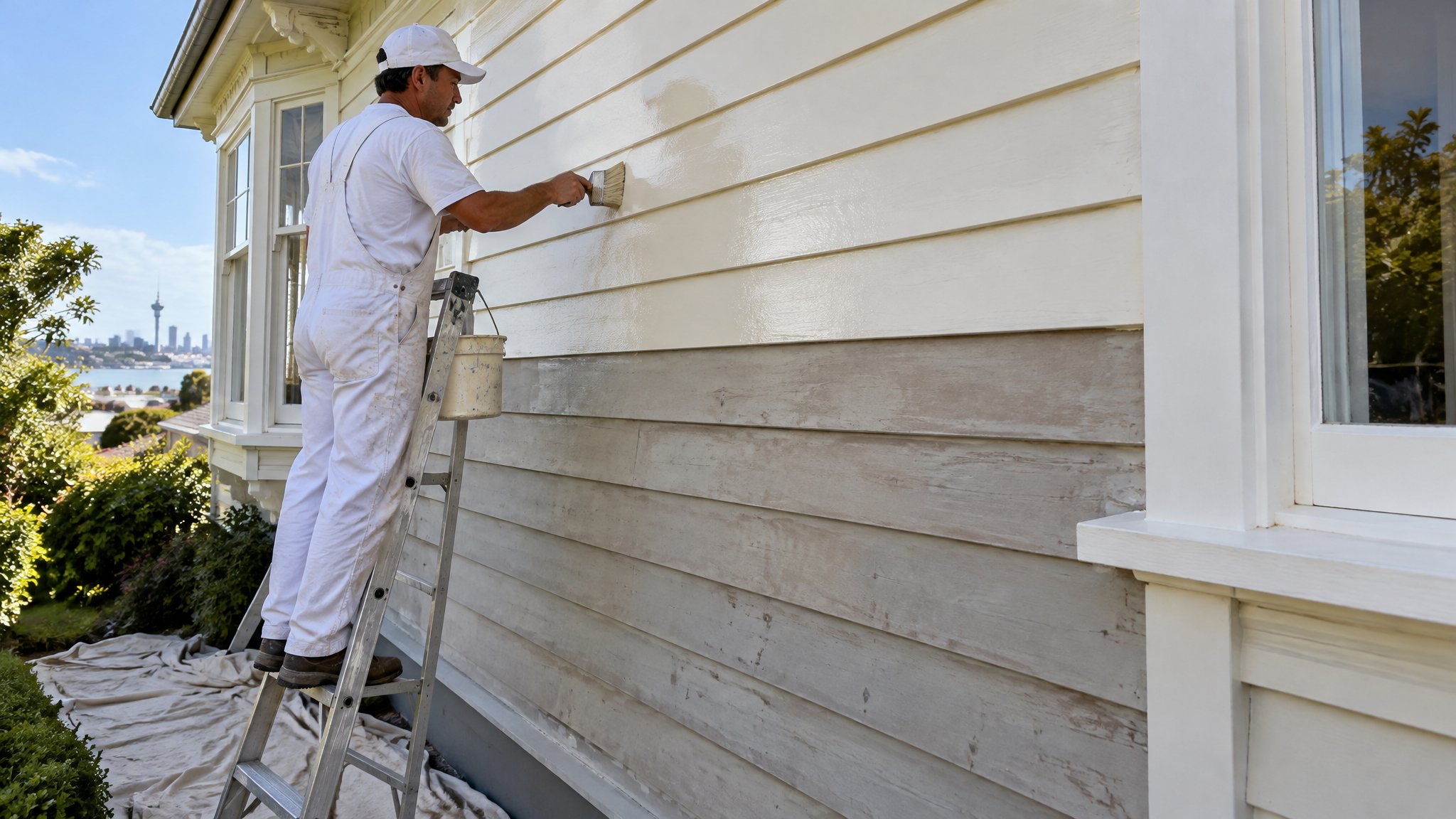
Hiring a painter should make your home look better, not leave you chasing touch-ups, delays, or extra costs. In Auckland’s older villas, weatherboard homes, and premium apartments, a good finish depends on proper prep, clear communication, and workmanship you can trust.
There are a few clear warning signs that can help you avoid a bad experience. If something feels off early on, it usually is.
1. The quote is vague or incomplete
A proper painting quote should tell you what is included, what is excluded, and how the job will be carried out. If a painter only gives you a rough number over the phone, or a one-line quote with no detail, that is a red flag.
You want clarity around surface preparation, undercoats, topcoats, paint system, access equipment, and whether minor repairs are included. A vague quote can lead to arguments later if the painter says something was never part of the price.
Be wary if the painter seems impatient when you ask questions. A professional should be happy to explain the process in plain English.
- No written quote or job scope
- No mention of prep work
- No clear paint products or system specified
- Unclear payment terms
2. They rush the site visit or skip it altogether
A decent painter should want to inspect the job before quoting. Every home is different, especially in Auckland where weather exposure, age, and previous coatings can vary a lot from property to property.
If someone gives you a price without looking closely at the condition of the walls, ceilings, joinery, or exterior surfaces, they may be guessing. That often means surprises once the work starts.
A rushed visit can also mean they miss hidden issues like peeling paint, moisture damage, hairline cracks, or poorly filled repairs. Those problems need attention before a good paint finish is possible.
3. They talk more about speed than quality
Fast work is not always good work. If a painter focuses only on how quickly they can finish, with little discussion about preparation, drying times, or detailing, take that as a warning sign.
Quality painting takes time. Surfaces need cleaning, sanding, filling, priming, and proper curing between coats. Skipping those steps might make the job look fine for a short time, but the finish will usually fail earlier than it should.
Other red flags include poor protection of flooring and furniture, messy site habits, and no sign of an organised process.
- Promises that sound too quick to be true
- Little or no mention of prep
- No protection for nearby surfaces
- Disorganised worksite or poor cleanup
When to call Steve
If you are unsure whether a quote is fair, whether the prep is adequate, or whether a painter is the right fit for your home, it is worth getting a second opinion. Steve is a Kiwi and a trade-qualified painter who can assess the job properly and give practical advice on the best way forward.
For homeowners and property managers across Auckland, having an experienced eye on the project can save time, stress, and costly rework. If you want straight answers and a professional finish, contact Steve, a Kiwi and a trade-qualified painter.
Frequently Asked Questions
Should I choose the cheapest painter?
Not necessarily. The cheapest quote can leave out preparation, quality materials, or proper time on site. Compare what is actually included before deciding.
What should a good painter include in a quote?
A good quote should cover prep, repairs, priming, coats, paint products, access, cleanup, and any exclusions. Written detail matters.
How do I know if a painter is reliable?
Look for clear communication, a site visit, a detailed quote, tidy work habits, and a realistic explanation of timing. If something feels rushed or unclear, ask more questions or get another opinion.
Need a hand with your project?
Happy to tackle some of it yourself? Great — but for anything you’d rather leave to a professional, Steve Lunjevich is a Kiwi and a trade-qualified painter with 20+ years’ experience. Call or email for honest advice or a free, no-obligation quote.