
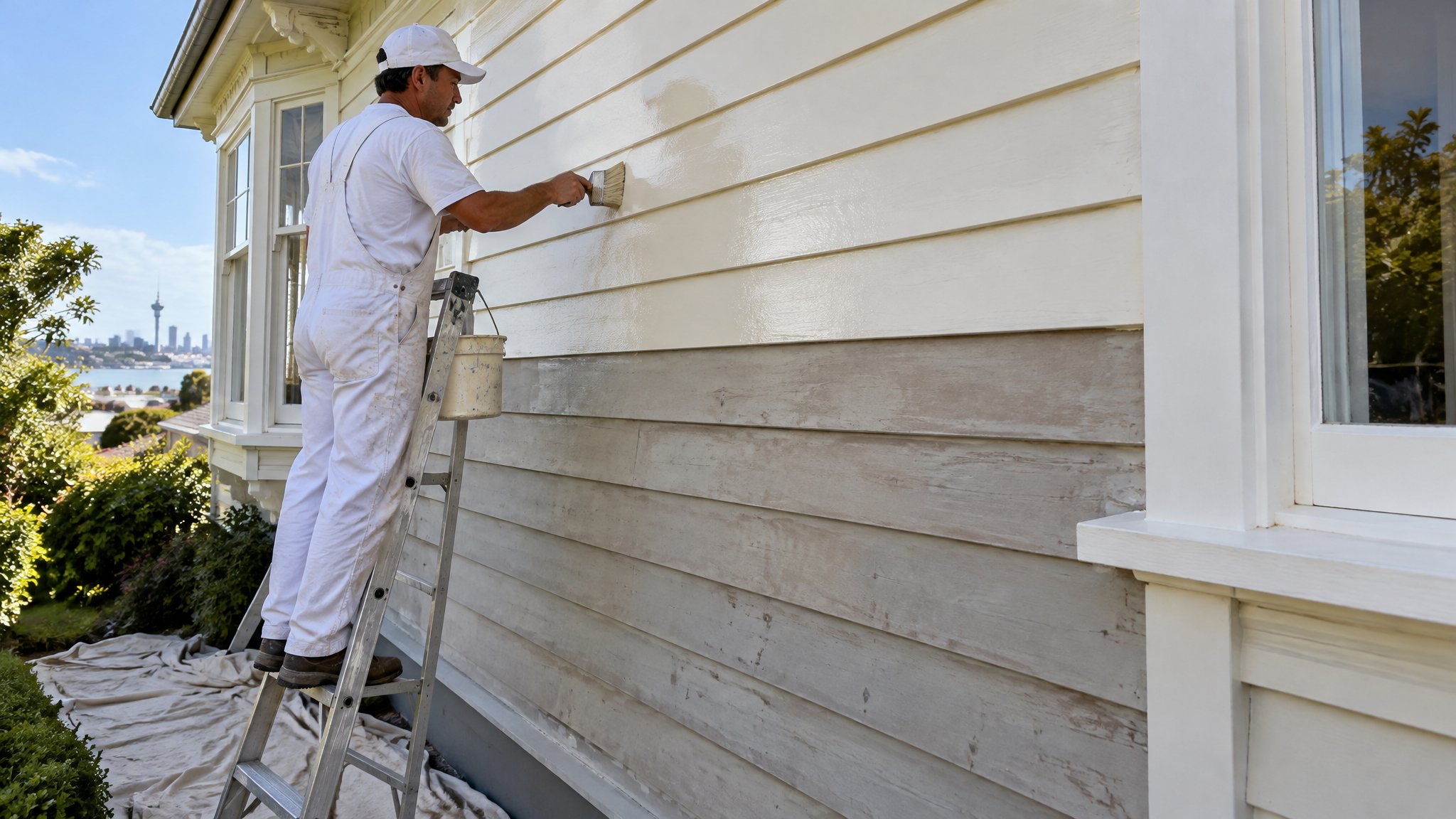
If you are comparing painting quotes, one of the first questions is usually: how much does a painter charge per hour in NZ? It is a fair question, but the answer depends on the type of work, the condition of the surfaces, and whether the job is straightforward or needs more prep.
For Auckland homeowners and property managers, hourly rates can be useful for small jobs and repairs, but they do not always tell the full story. A good quote should reflect the actual scope of work, not just the number of hours on site.
What influences a painter’s hourly charge?
A painter’s hourly rate in New Zealand is shaped by several practical factors. Experience, trade qualifications, the quality of materials used, and the complexity of the work all play a part. A fully qualified painter will usually charge more than someone with less experience, but you are also paying for better workmanship, fewer mistakes, and a more efficient result.
In Auckland, rates can also vary depending on access, parking, the age of the house, and whether the job involves scaffolding, detailed trim work, or careful preparation around weatherboards, plaster, or older decorative features.
Common things that affect the hourly rate include:
- the painter’s skill level and trade qualification
- interior versus exterior work
- how much prep is needed
- height, access, and safety requirements
- whether the job is a repair, touch-up, or full repaint
- the quality of paint and coatings specified
Hourly rate versus quote: which is better?
Hourly pricing can work well for small maintenance jobs, patch repairs, or when the full scope is not yet clear. It is often used when a homeowner wants help with a few rooms, minor damage, or a short list of decorating tasks.
For larger projects, a fixed quote is usually easier to budget for. That is especially true for whole-house repaints, exterior work, or jobs with significant prep. A quote gives you more certainty and helps avoid surprises if the job ends up taking longer than expected.
If you are comparing painters, ask what is included in the hourly rate. Some tradespeople charge by the hour and add materials on top, while others include certain prep items or supplies in the quote. Make sure you are comparing like with like.
Typical situations where hourly charging makes sense
Even so, homeowners should still expect clear communication. A professional painter should explain what he expects to achieve in the time allowed and whether any extra prep or materials could affect the final cost.
- minor touch-ups after tenancy changes
- small plaster repairs and repainting
- feature walls or limited interior updates
- ongoing property maintenance
- jobs where colours or finish choices may change
When to call Steve
If you want a realistic idea of what your job should cost, contact Steve, a Kiwi and a trade-qualified painter. He can assess the condition of your surfaces, talk through the scope, and advise whether hourly pricing or a fixed quote is the better fit for your home.
That is especially useful if you are in a premium Auckland suburb and want a tidy finish, careful protection of your property, and workmanship that stands up over time. Steve can help you plan the job properly so you know what you are paying for before the brushes come out.
Frequently Asked Questions
Is it cheaper to hire a painter by the hour?
Sometimes, but not always. Hourly rates can suit small jobs, but a fixed quote may be better value for larger projects because it gives you cost certainty and usually includes the full scope of prep and finish.
Should materials be included in a painter’s hourly rate?
Not necessarily. Some painters charge labour separately and add materials on top, while others may include minor supplies. Always ask what is included before you agree to the work.
Why do some painters charge more than others?
Rates vary based on experience, trade qualification, the amount of preparation required, the difficulty of the job, and the standard of finish expected. A higher rate can be justified if the painter is more efficient and delivers better long-term results.
Need a hand with your project?
Happy to tackle some of it yourself? Great — but for anything you’d rather leave to a professional, Steve Lunjevich is a Kiwi and a trade-qualified painter with 20+ years’ experience. Call or email for honest advice or a free, no-obligation quote.