
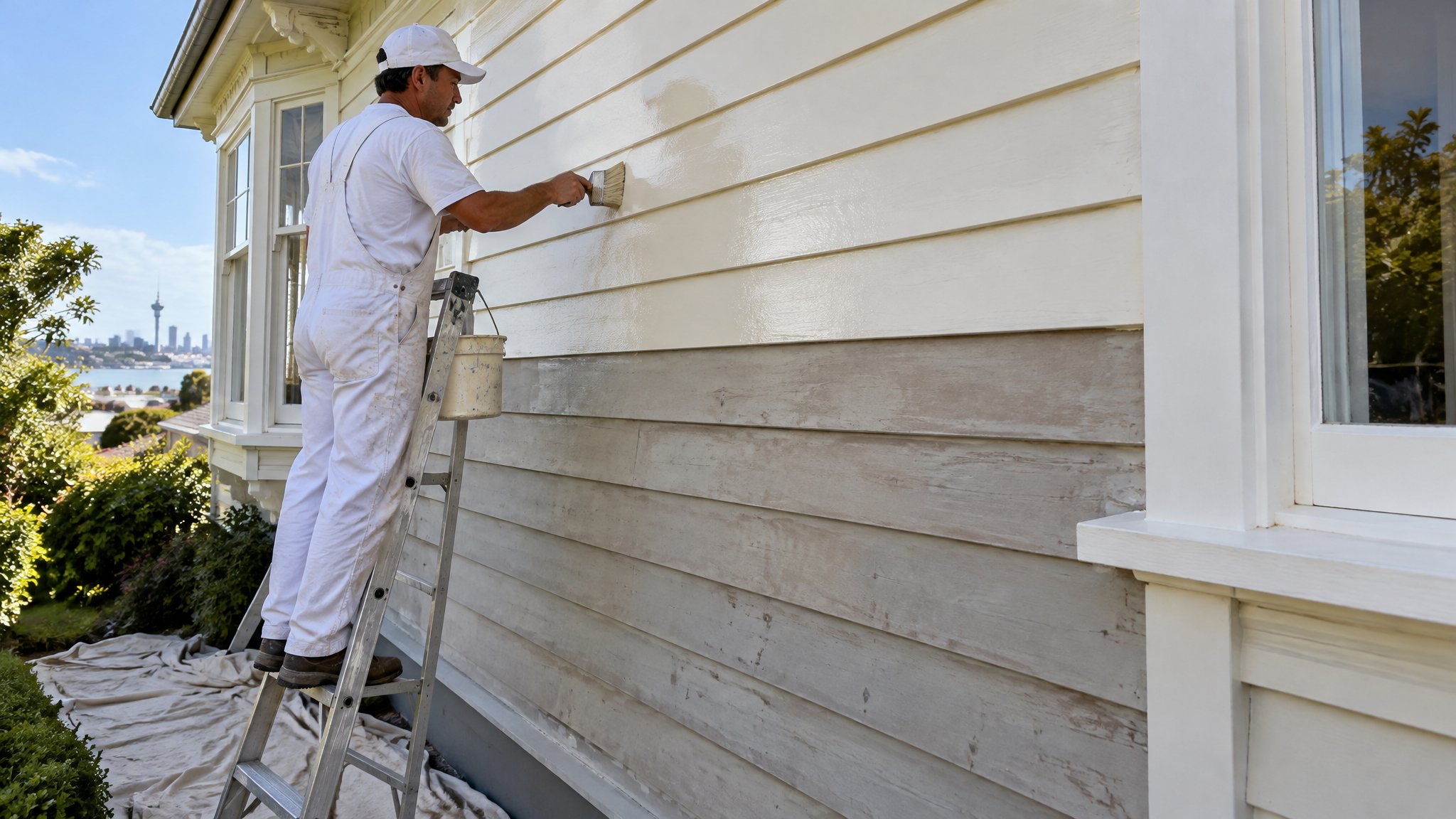
Painting fibreglass or GRP at home can be a very good DIY project, but only if you get the preparation right. These surfaces are smooth, non-porous and often have release agents, waxes or old coatings that affect adhesion.
Whether you are dealing with a boat, outdoor furniture, a door, or a moulded feature panel, the same rule applies: clean properly, key the surface, use the right primer, and apply a compatible topcoat.
1. Understand what you are painting
Fibreglass and GRP (glass reinforced plastic) are commonly used because they are light, strong and weather-resistant. But that same smooth finish can make paint struggle to stick unless the surface is correctly prepared.
Before you start, check what finish is already there. Is it bare fibreglass, gelcoat, an old paint system, or a chalky weathered coating? The condition of the surface will affect your prep, primer choice and final result.
- Bare fibreglass needs thorough cleaning and sanding before priming.
- Glossy gelcoat must be dulled with a fine abrasive for adhesion.
- Old peeling paint should be removed as much as possible before recoating.
2. Prepare the surface properly
Good preparation is the difference between a finish that lasts and one that peels. Start by washing the surface with a strong sugar soap solution or a suitable cleaner to remove dirt, grease and contamination. If the item has been near boats, garages or kitchens, take extra care with waxes and oily residues.
Once clean and dry, sand the surface to create a uniform key. For many fibreglass surfaces, a light-to-medium sand with fine abrasive paper is enough. You are not trying to remove the material, just give the coating something to grip onto. Wipe away dust carefully after sanding.
If there are chips, cracks or pinholes, fill them with a filler suited to fibreglass or the specific substrate. Allow repairs to cure fully, then sand them smooth so they blend into the surrounding area.
3. Prime and paint with compatible products
A specialist primer is usually the safest approach. For fibreglass and GRP, use a primer designed for difficult or non-porous surfaces, or a product recommended by the paint manufacturer for the exact job. Do not assume any wall paint will do the trick.
Choose a topcoat that suits the environment. For interior decorative pieces, a hard-wearing acrylic or enamel system may be suitable. For exterior or high-wear items, you need a coating that can handle UV, moisture and movement. Always check the manufacturer’s data sheet for compatibility, drying times and recoating windows.
Apply thin, even coats rather than trying to cover in one heavy pass. Thick coats can trap solvent, reduce adhesion and leave the finish soft or patchy. A brush, roller or spray can all work, depending on the shape of the item and the level of finish you want.
4. Let it cure and protect the finish
Fibreglass paint work often looks dry before it is fully cured. Give the coating the full curing time recommended by the manufacturer before heavy use, washing or exposing it to weather. Rushing this step can mark the finish or shorten its life.
Avoid harsh cleaners or abrasives once the surface is painted. For ongoing maintenance, a soft cloth and mild detergent are usually enough. If the item is outside, regular washing helps prevent grime build-up and keeps the coating looking better for longer.
When to call Steve
If the fibreglass surface is large, highly visible, weather-exposed or already failing, it is worth getting advice before you start. Steve is a Kiwi and a trade-qualified painter, and he can help you choose the right prep method, primer and topcoat for the specific surface and conditions. That can save you from costly adhesion problems and give you a much cleaner finish.
For premium Auckland homes and properties, a careful approach matters. If you are unsure whether the surface is GRP, gelcoat or previously painted, or if you want a finish that looks sharp and lasts, contact Steve, a Kiwi and a trade-qualified painter, for practical guidance or to do the job properly.
Frequently Asked Questions
Can I paint fibreglass without sanding it first?
Usually no. Fibreglass is too smooth for most paints to bond well without sanding or another form of surface preparation. A proper key is essential for adhesion.
What kind of paint works best on GRP?
It depends on the item and where it is used. In most cases you need a compatible primer first, then a durable topcoat suited to the environment, such as an acrylic or enamel system.
Why does paint peel off fibreglass?
Peeling is often caused by poor cleaning, missing primer, painting over wax or contaminants, or using an incompatible coating system. Moisture and movement can also contribute.
Need a hand with your project?
Happy to tackle some of it yourself? Great — but for anything you’d rather leave to a professional, Steve Lunjevich is a Kiwi and a trade-qualified painter with 20+ years’ experience. Call or email for honest advice or a free, no-obligation quote.