If your tree leaves are coated in a black, sticky film, the problem is often sooty mould caused by sap-sucking insects like aphids, scale or whitefly. The mould itself usually does not infect the tree, but it can make plants look unhealthy and messy, and it can drip onto paths, fences and painted surfaces below.
In Auckland’s warm, sheltered suburbs, aphids can build up quickly on citrus, camellias, magnolias and ornamental trees. The best fix is to deal with the insects first, then clean off the mould and check any nearby paintwork for staining or surface contamination.
What sooty mould actually is
Sooty mould is a black fungal growth that feeds on honeydew, the sticky residue insects leave behind when they feed on sap. If you see shiny leaves, ants running up and down the trunk, and black patches on foliage, there is a good chance aphids or another sap-feeding pest are the real cause.
The mould sits on the surface of the leaf rather than inside it. That means the tree is usually affected indirectly, through blocked light on the leaves and the stress caused by the insect infestation.
- Look for clusters of aphids on new soft growth.
- Check for ants, which often protect aphids for the honeydew.
- Inspect the underside of leaves and the ends of shoots.
Treat the aphids first
To get lasting results, you need to reduce the insects producing the honeydew. A strong hose spray can knock aphids off smaller trees and shrubs. For more persistent infestations, use a suitable garden insecticidal soap or oil, following the label directions carefully.
Prune out heavily infested tips where practical, and dispose of the clippings in the garden waste rather than leaving them under the tree. If the tree is large or the infestation keeps returning, it may need a more considered approach from a gardening professional.
- Rinse leaves and stems with water first.
- Apply garden-safe soap or oil in cool parts of the day.
- Repeat only as directed on the product label.
- Encourage beneficial insects by avoiding broad-spectrum sprays.
Clean the mould and protect nearby surfaces
Once the pests are under control, the mould usually weathers off gradually. You can speed things up by gently washing affected leaves with water, especially on smaller ornamental trees. Avoid harsh scrubbing, which can damage soft foliage.
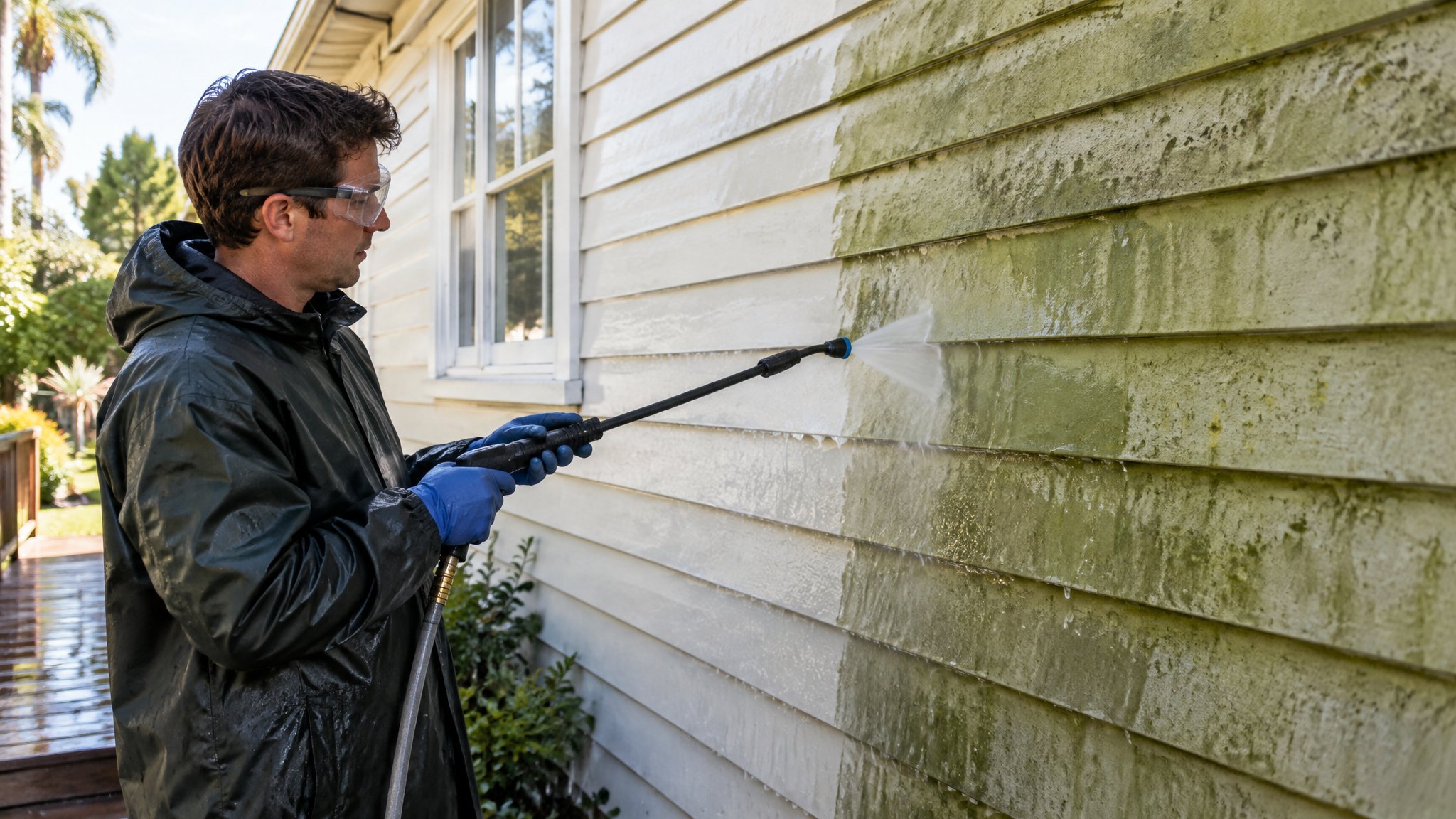
If black residue has landed on painted timber, cladding, gutters or windowsills, wash it off sooner rather than later. Use mild detergent and water, a soft cloth or sponge, and test a small area first. For delicate or older paint finishes, take care not to rub too hard, as you may polish the surface or lift weak paint.
- Use low-pressure water rather than a hard spray.
- Do not apply bleach to plants.
- Clean painted surfaces gently to avoid scratching or chalking.
- Watch for staining on light-coloured exterior paint.
When to call Steve
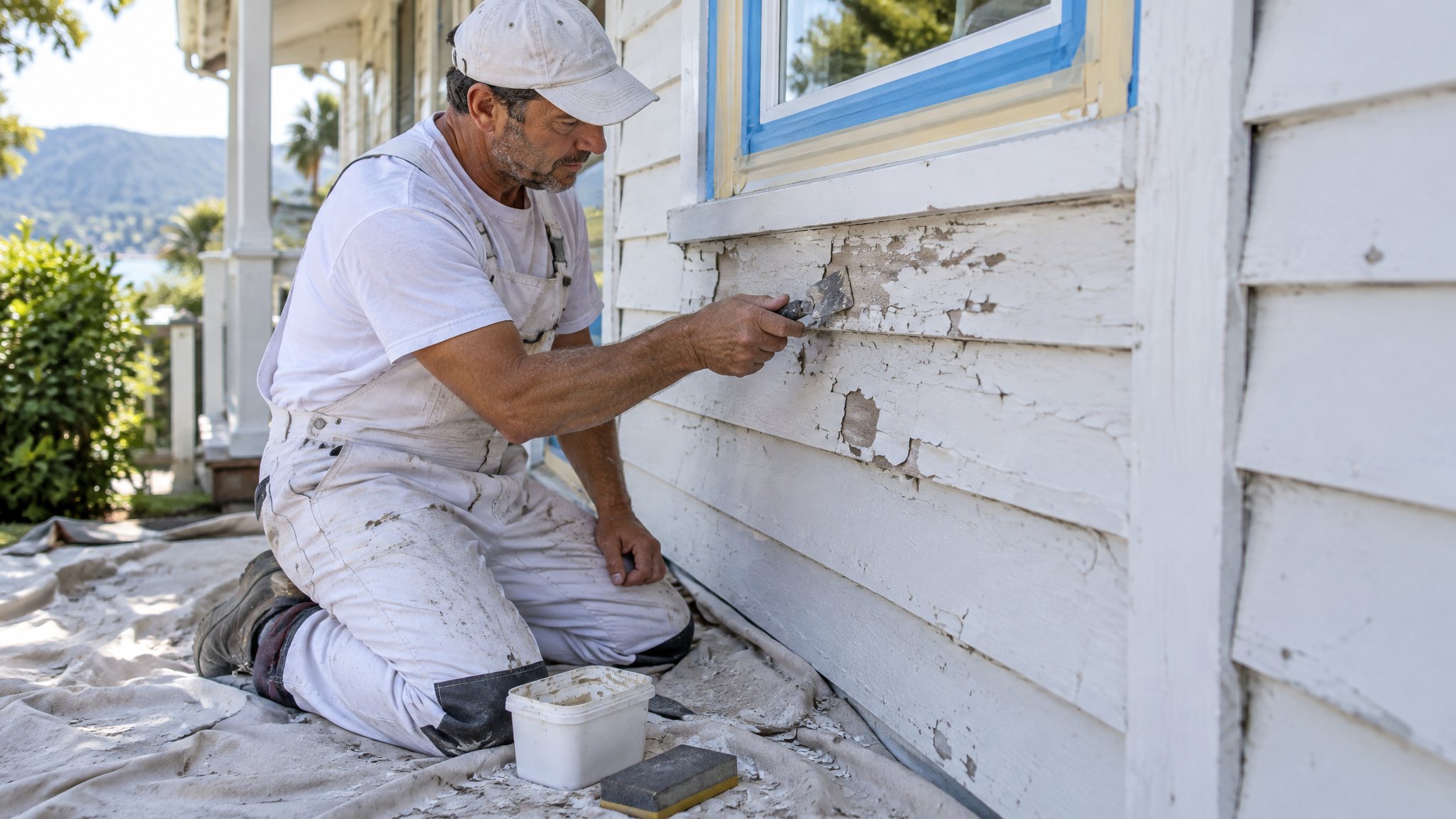
If sooty mould has spread onto weatherboards, trim, fences, or other exterior paintwork, it is worth getting advice before you start cleaning. A poor cleaning method can leave marks, dull the finish, or make older paint fail sooner. Steve is a Kiwi and a trade-qualified painter, and he can help assess whether the surface simply needs a careful wash or whether it needs repainting or touch-up work.
If you are unsure whether the black film is only sooty mould, or if your trees are dropping sticky residue onto freshly painted areas, contact Steve for practical advice. He is a Kiwi and a trade-qualified painter who understands how to protect your paintwork while you sort out the cause.
Frequently Asked Questions
Will sooty mould kill my tree?
Usually no. Sooty mould itself is a surface fungus, not the main problem. The real issue is the aphids or other sap-sucking insects feeding on the tree and producing honeydew.
Can I just wash the black mould off?
You can wash some of it off, but if the insects are still there it will come back. Treat the aphids first, then clean the leaves and any affected hard surfaces.
Is it safe to use insect spray near painted surfaces?
Use products exactly as directed and avoid overspray on windows, cladding and painted timber. If you are worried about nearby finishes, speak with Steve, a Kiwi and a trade-qualified painter, for guidance on protecting the paintwork.
Need a hand with your project?
Happy to tackle some of it yourself? Great — but for anything you’d rather leave to a professional, Steve Lunjevich is a Kiwi and a trade-qualified painter with 20+ years’ experience. Call or email for honest advice or a free, no-obligation quote.