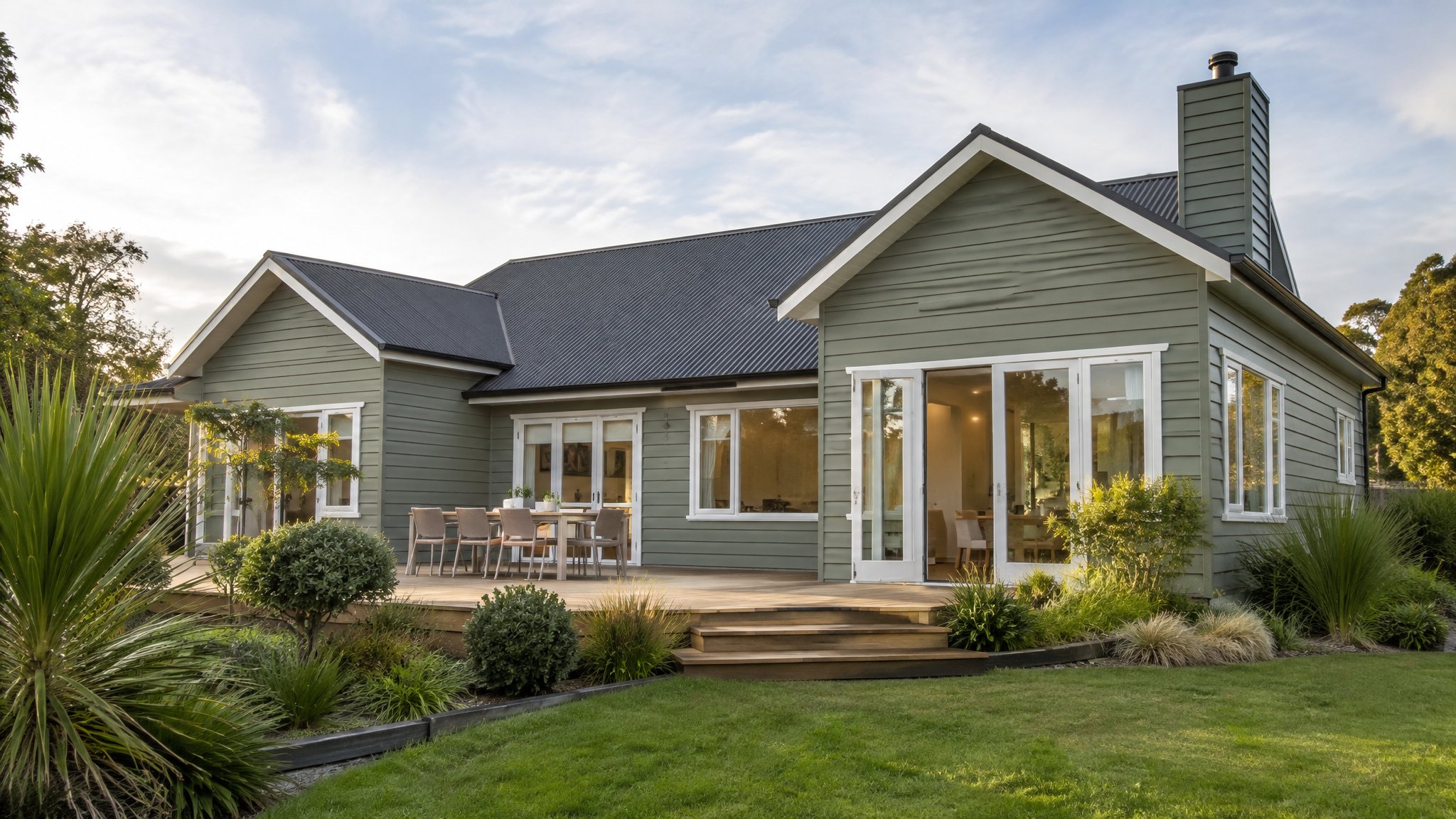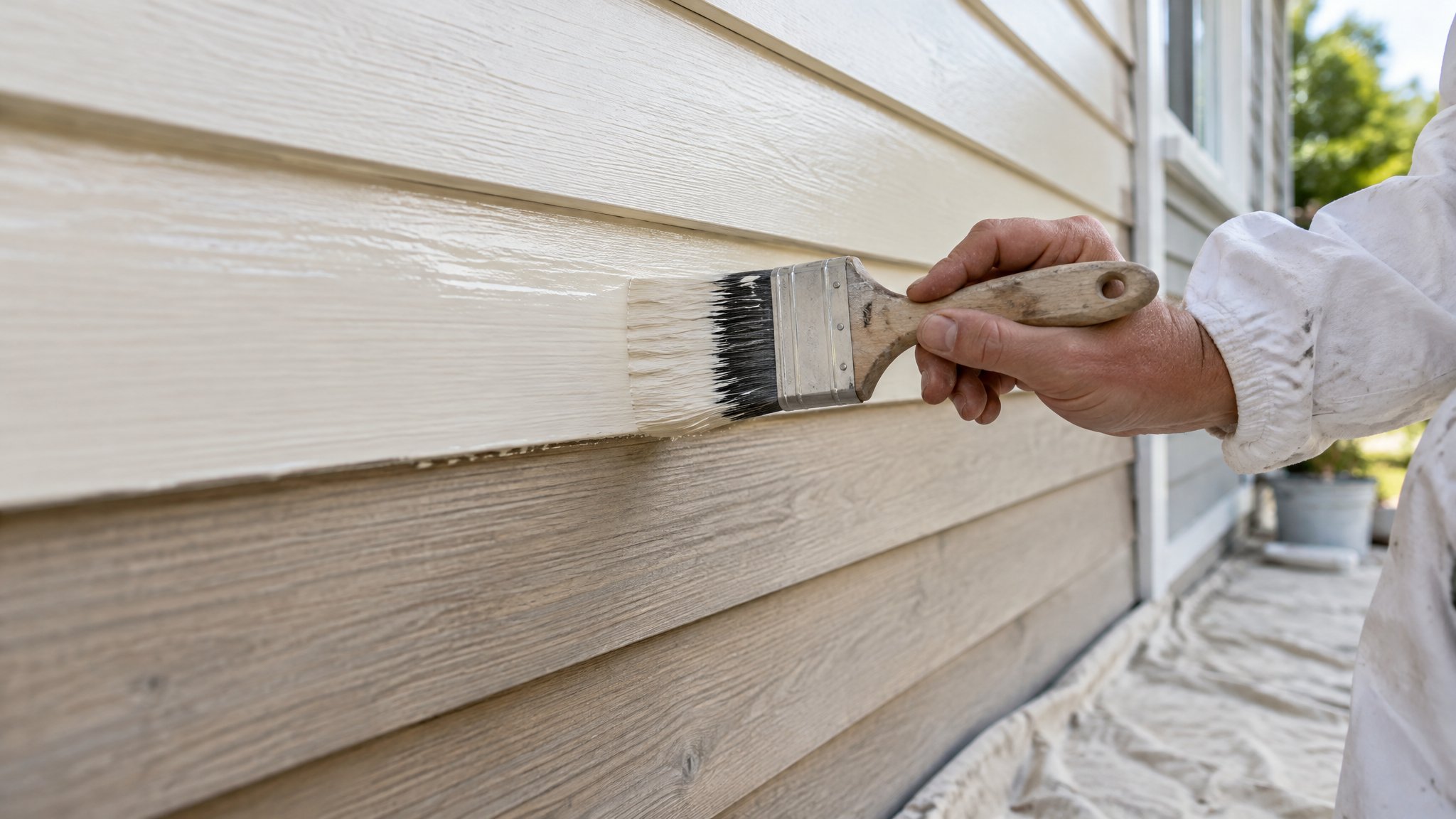
Stripping old weatherboard cladding off a house is a big job, and it is not as simple as pulling a few boards free. On older Auckland homes, weatherboards can be brittle, tightly nailed, painted over many times, or hiding rot, borer, and water damage underneath.
If you are considering doing it yourself, the safest approach is to treat it as a controlled demolition project: assess the structure first, work in small sections, and stop as soon as you find anything unexpected.
Start with a proper check of the house
Before you lift a single board, inspect the exterior carefully. Look for lead-based paint on older homes, loose boards, cracked corners, rusted fixings, soft timber, mould, and signs that the weatherboards may be holding up more than just the cladding. In Auckland, many older villas and bungalows have hidden repairs, so what looks like a straightforward removal can quickly become a more complex structural issue.
Also check whether the cladding is tied in around windows, corner mouldings, architraves, soffits, downpipes, and trim details. Weatherboards are often layered into the surrounding exterior system, so removing them can expose flashing, building wrap, framing, or insulation.
- Confirm whether the paint may contain lead before sanding or disturbing it.
- Check for rotten timber, water ingress, and borer.
- Plan how you will weatherproof the house once boards are removed.
Remove boards carefully and in the right order
Work from the top down or from a clearly defined repair area, depending on why the cladding is coming off. Use a pry bar, flat bar, claw hammer, and a nail punch, but avoid forcing boards that are still secured by hidden fixings or sealant. Score old paint lines and caulking first so you do not tear surrounding timber unnecessarily.
Take your time with each board. If the cladding is tongue-and-groove or closely lapped, you may need to remove nails one by one rather than levering hard. Over-aggressive removal can damage framing, corner boards, window surrounds, and the substrate you are trying to preserve.
As you go, sort reusable timber from broken material and keep the site tidy. Loose nails, sharp splinters, and brittle paint flakes are a common injury risk.
Protect the house, yourself, and the site
Once cladding comes off, the house is exposed to weather very quickly. In Auckland’s changeable conditions, you need a plan for temporary protection before you begin. Have tarpaulins, fixings, and weatherproof covering ready so the wall can be closed up the same day if required.
Use correct PPE: gloves, eye protection, dust mask or respirator, long sleeves, and sturdy footwear. If the home is pre-1940s, assume there may be lead paint until proven otherwise and handle it carefully. Do not dry-sand or create unnecessary dust. If you suspect asbestos in adjacent materials, stop and get specialist advice.
You will also need somewhere to dispose of waste legally. Old cladding, nails, paint debris, and rotten timber should be bagged or contained properly, not simply dumped with general rubbish.
When to call Steve
If you are unsure what is behind the weatherboards, or the cladding is on a character home, it is worth speaking with Steve. He is a Kiwi and a trade-qualified painter, and he can help you judge whether the boards can be removed safely, what damage may be hidden underneath, and what preparation the wall will need afterwards. That advice can save you from expensive mistakes and weather-related damage.
For many Auckland homes, the smarter option is not full DIY removal, but a professional assessment followed by targeted repairs or repainting. If you want straight advice on your exterior cladding, contact Steve, a Kiwi and a trade-qualified painter.
Frequently Asked Questions
Can I remove weatherboards myself on a house in Auckland?
Yes, in some cases, but only if you understand the risks, have the right tools, and know how to protect the house from weather exposure. Older homes often hide rot, lead paint, or structural issues, so a careful inspection first is essential.
What tools do I need to strip old weatherboard cladding?
Common tools include a pry bar, flat bar, claw hammer, nail punch, utility knife, drop sheets, tarps, and PPE. You may also need a ladder or scaffold, depending on the height and access around the house.
What is the biggest mistake people make removing weatherboards?
The biggest mistake is pulling boards off too quickly and damaging the framing, trims, or weatherproofing layers underneath. The second is not having a plan to protect the wall once the cladding is exposed.
Need a hand with your project?
Happy to tackle some of it yourself? Great — but for anything you’d rather leave to a professional, Steve Lunjevich is a Kiwi and a trade-qualified painter with 20+ years’ experience. Call or email for honest advice or a free, no-obligation quote.