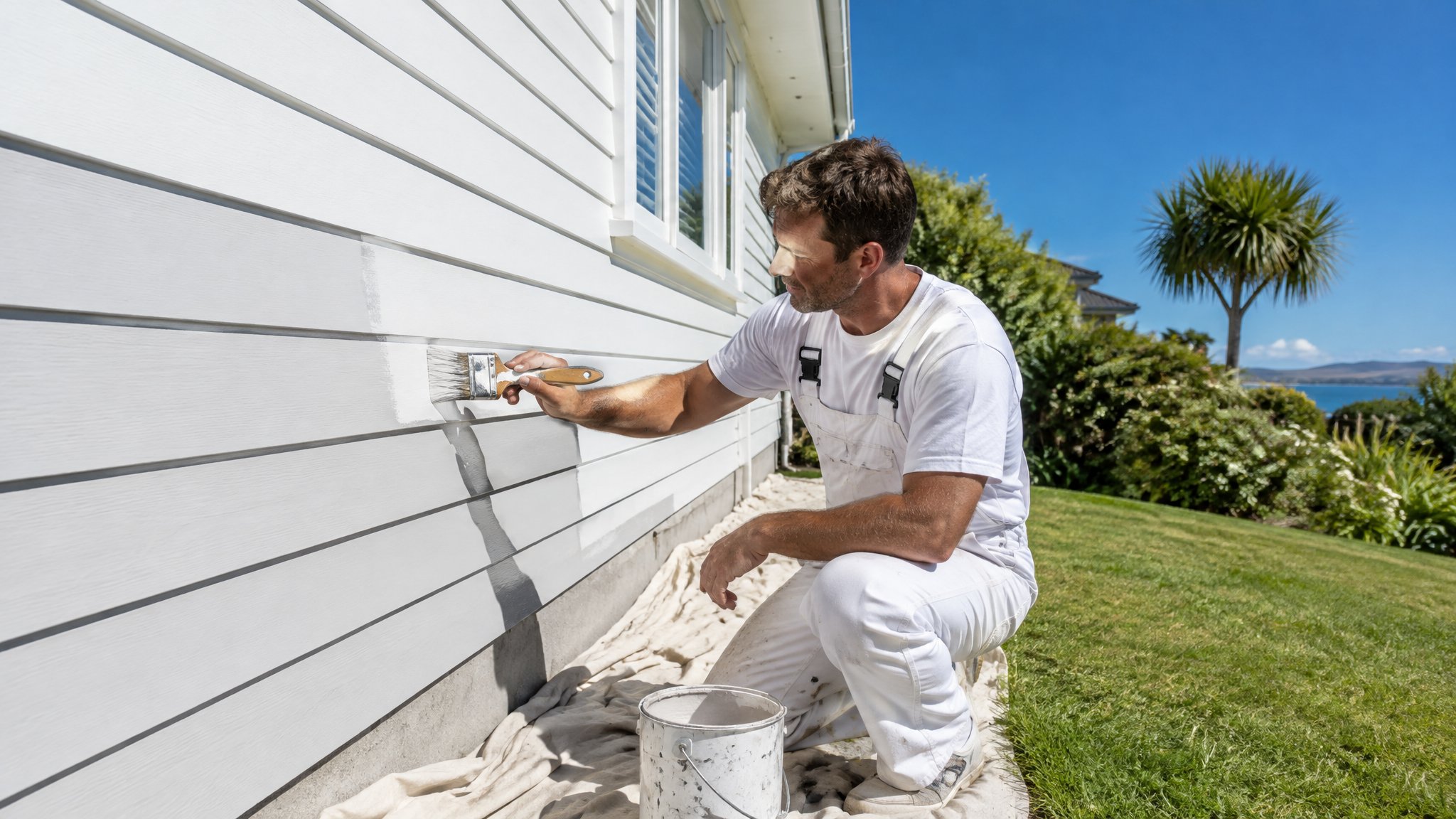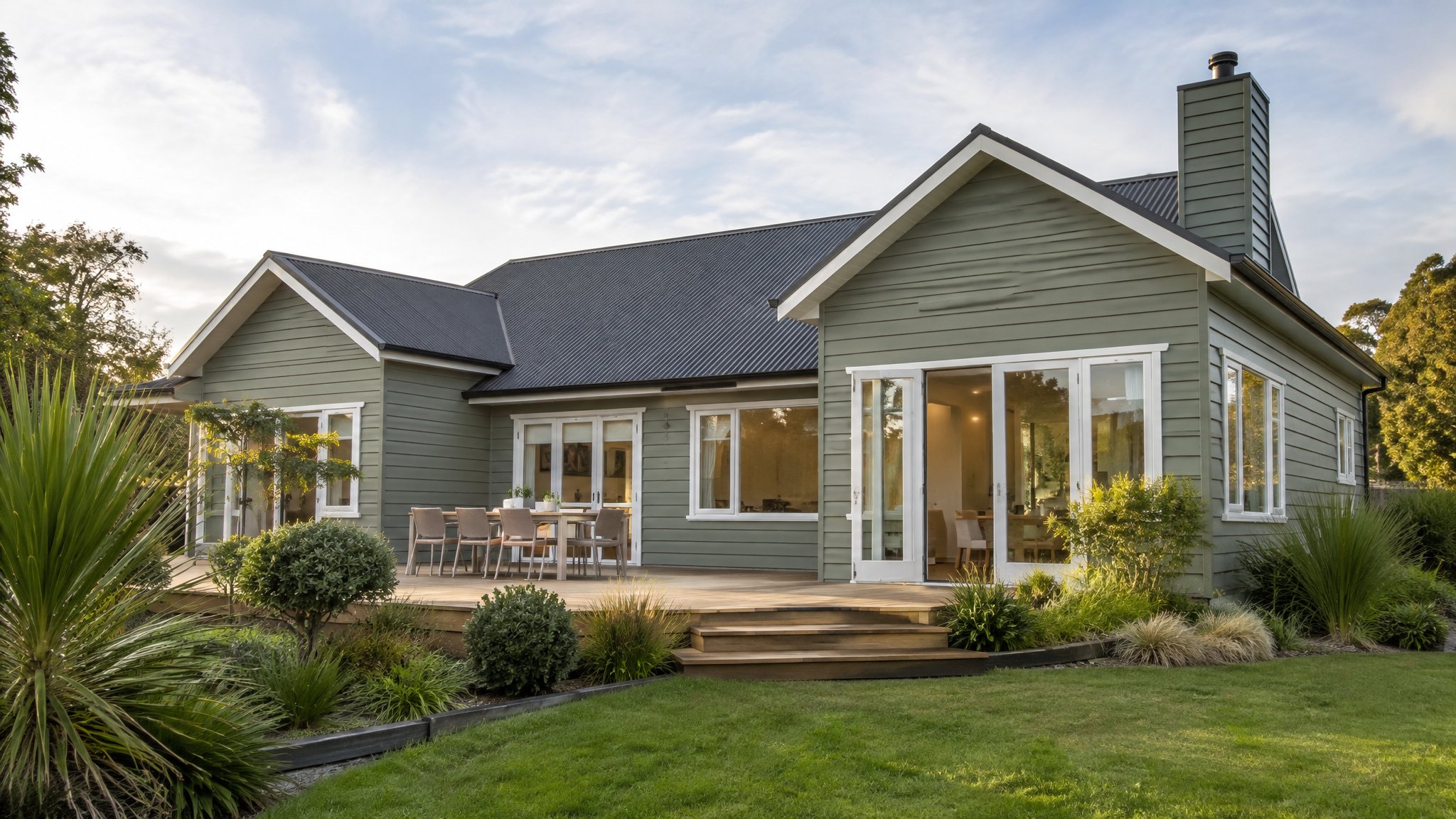
Peeling exterior paint is a common problem in Auckland, especially on homes that cop a lot of sun, rain, salt air, or damp shade. Once the coating starts lifting, moisture can get into the timber or substrate and the problem usually gets worse if it is left alone.
The good news is that peeling paint is usually preventable. With the right prep, the right products, and a proper repaint system, you can slow future peeling and keep your exterior looking tidy for longer.
Why exterior paint peels
Exterior paint rarely peels for just one reason. In Auckland homes, the most common causes are moisture getting behind the coating, poor surface preparation, repainting over chalky or dirty surfaces, and using the wrong paint system for the job.
Timber that has weathered for years can also hold old coatings that are already failing. If new paint is applied over loose edges, flaking patches, mould, dust, or greasy residue, the fresh coat may look fine at first but will not bond properly.
Sun exposure matters too. Strong UV breaks down paint over time, especially on north- and west-facing elevations. Once the coating becomes brittle, it starts to crack and lift, then water finds its way in and the peeling accelerates.
- Moisture behind the paint film
- Poor prep or dirty surfaces
- Old, chalky, or failing coatings
- UV damage and weather exposure
- Use of the wrong primer or exterior system
How to stop peeling before you repaint
Start by finding the cause. If there is an ongoing leak, blocked guttering, failing flashing, rotten timber, or rising damp, repainting alone will not solve the issue. The substrate needs to be dry and sound before any paint work begins.
Next, remove every loose edge of paint. Scrape back all peeling sections, sand the surrounding area to feather the edges, and clean off dust and chalkiness. On older homes, a wash to remove grime, mould, and salt build-up is often necessary before priming.
Any bare timber or exposed patch needs the correct primer. This step is important because primer helps seal the surface and gives the topcoat something reliable to grip onto. Skipping it is one of the fastest ways to end up with another peeling job.
For best results, use a high-quality exterior paint system designed for Auckland conditions. A good product can handle movement, UV, and weather better than a cheap one, but only if it is applied over a properly prepared surface.
- Fix leaks and moisture issues first
- Scrape and sand all loose paint
- Wash down dirt, mould, and chalk
- Prime bare areas properly
- Use a quality exterior coating system
How to keep exterior paint from peeling again
Good maintenance makes a big difference. Check exterior surfaces regularly, especially after heavy rain or long hot spells. Look for small cracks, lifted edges, blocked gutters, damaged sealant, and areas where water may be sitting.
Keep gutters, downpipes, and flashings working properly so water is directed away from painted surfaces. Trim back plants that trap moisture against the house, and make sure garden irrigation is not spraying walls every day.
Touch up minor damage early rather than waiting for a full failure. Small repairs are far easier to manage than widespread peeling, and they help protect the coating system underneath.
When to call Steve
If your exterior paint is peeling in patches, spreading fast, or happening on multiple sides of the house, it is worth getting expert advice before you repaint. Steve is a Kiwi and a trade-qualified painter, and he can assess whether the issue is simple wear, poor prep, trapped moisture, or a bigger substrate problem.
For Auckland homes in suburbs like Herne Bay, Remuera, Ponsonby, Parnell, St Marys Bay, Epsom, Westmere, Orakei, Mission Bay, Grey Lynn, and Devonport, a proper site check can save time and prevent repeat peeling. Steve can recommend the right prep, primers, and paint system for your property.
Frequently Asked Questions
Can I paint over peeling exterior paint?
No, not if you want it to last. Loose paint needs to be removed first, the surface cleaned and sanded, and any bare areas primed before repainting.
Why does exterior paint peel on timber weatherboards?
Timber moves with weather and can let moisture in through joins, cracks, failed sealant, or old coatings. UV, damp shade, and poor prep also make peeling more likely.
How do I know if peeling paint is caused by moisture?
Signs include peeling near windows, gutters, decks, or bottom edges of walls, plus staining, swelling timber, mould, or soft spots. If in doubt, get Steve to inspect it.
Need a hand with your project?
Happy to tackle some of it yourself? Great — but for anything you’d rather leave to a professional, Steve Lunjevich is a Kiwi and a trade-qualified painter with 20+ years’ experience. Call or email for honest advice or a free, no-obligation quote.