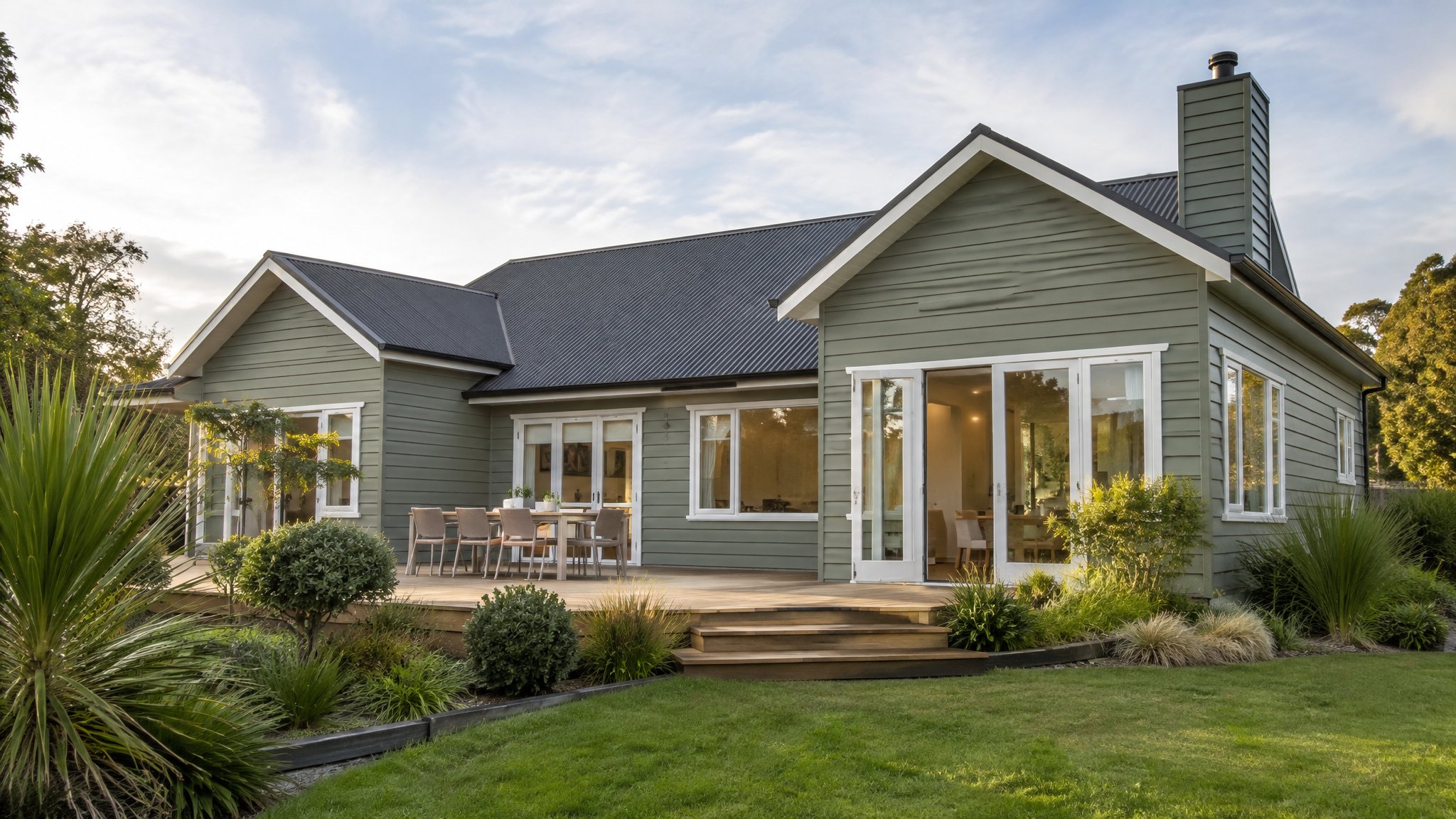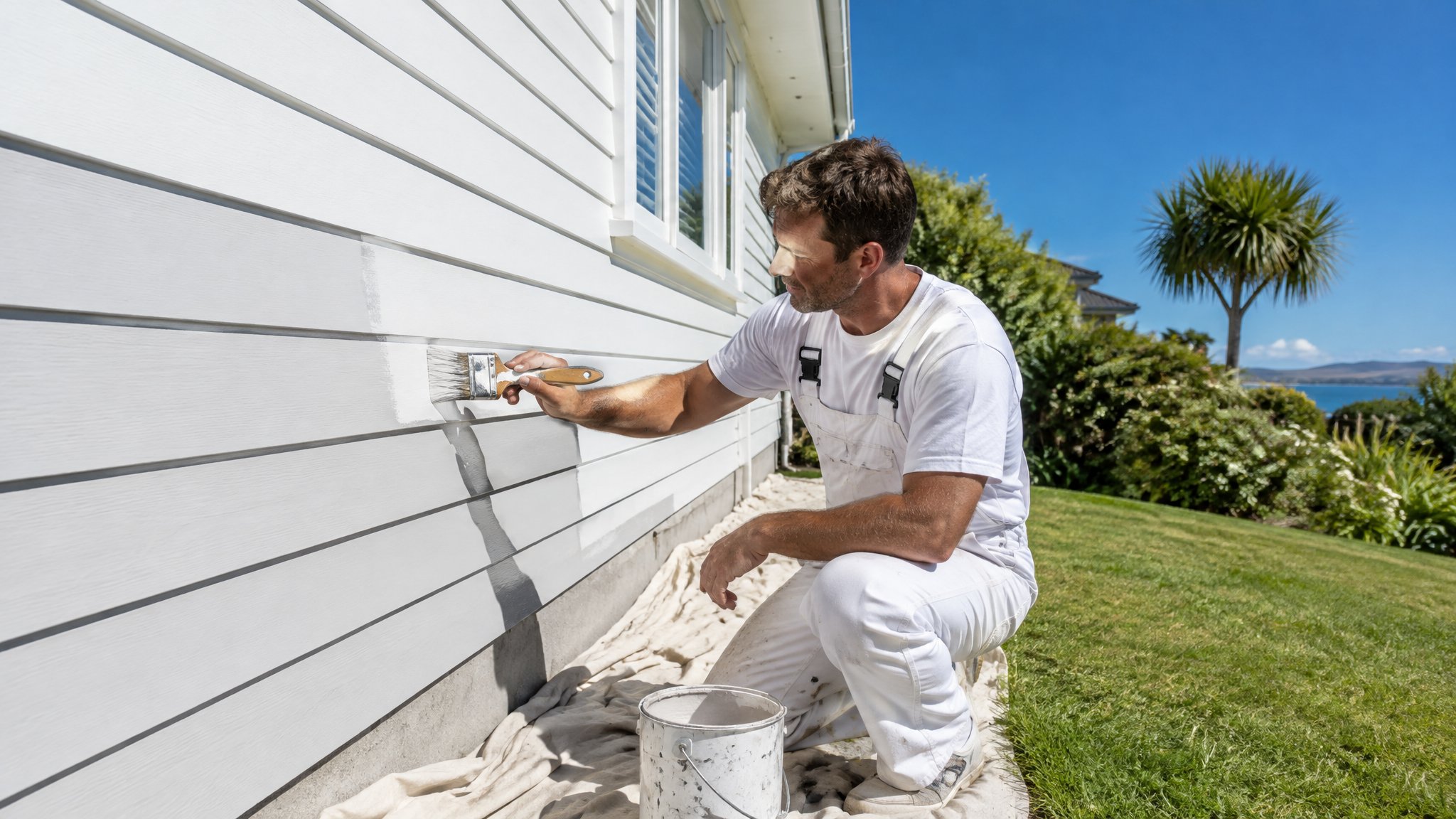
If you’re planning exterior painting in Auckland, temperature matters just as much as the paint you choose. Too cold, and the coating may not dry or cure properly, which can affect adhesion, finish, and durability.
As a general rule, most exterior paints should not be applied when temperatures are below about 10°C, and some products need even warmer conditions. But air temperature is only part of the picture, especially on shaded walls, south-facing elevations, and frosty mornings.
Why cold weather affects exterior paint
Paint needs the right conditions to flow, level, dry, and bond to the surface. When it’s too cold, the solvents or water in the paint evaporate more slowly, which can leave the coating soft for longer than it should be.
That can lead to a patchy finish, brush marks, poor adhesion, slower curing, and in some cases early failure. Even if the paint looks dry on the surface, it may still be fragile underneath.
In Auckland, this matters because winter mornings can be chilly and damp, and some homes stay cool on the shaded side all day. A wall that feels ‘not too bad’ in the sun can still be too cold for proper painting.
- Cold slows drying and curing
- Moisture can get trapped under the paint
- Low temperatures can reduce adhesion
- Shaded walls often stay colder than the air around them
So what temperature is too cold?
For many exterior paints, anything below 10°C is a warning sign, and below 5°C is often too cold to paint outside safely and successfully. Some premium low-temperature products can be used a little lower, but you still need to check the manufacturer’s data sheet for the exact product.
It’s also important to consider the surface temperature, not just the forecast air temperature. A wall in the shade may be several degrees colder than the weather app says, and a damp surface after overnight chill can cause trouble even if the day warms up later.
As a practical rule, if the temperature is expected to fall near the dew point, or if frost is likely overnight, it’s best to hold off. You want enough time for the coating to dry before the temperature drops again.
- Below 10°C: often risky for many exterior paints
- Below 5°C: usually too cold for standard exterior painting
- Check surface temperature, not just air temperature
- Avoid painting when frost or dew is likely
Other weather conditions that matter just as much
Temperature is only one part of the job. Cold weather often comes with higher humidity, light rain, or damp timber, and all of those can affect the finish.
Wind can also be a problem because it can cool the surface, speed up surface drying unevenly, and blow dust and debris onto the wet paint. Direct sun on one side of the house and cold shade on the other can create very different conditions in the same day.
If you’re painting a weatherboard home, rendered wall, trim, or fascia boards, the safest approach is to work with the conditions, not against them. That usually means choosing the warmest part of the day and making sure the substrate is dry and sound first.
- Watch for damp surfaces and overnight condensation
- Avoid painting in wind, rain, or heavy mist
- Check for temperature changes between morning and evening
- Allow enough drying time before dew settles
When to call Steve
If you’re unsure whether it’s warm enough to paint outside, it’s worth getting proper advice before you start. Steve is a Kiwi and a trade-qualified painter, and he can assess the surface, the weather window, and the paint system best suited to your home.
That’s especially useful for premium Auckland properties where the finish really matters, and where avoiding peeling, lap marks, or early failure can save time and hassle later. Whether you’re in Herne Bay, Remuera, Ponsonby, Parnell, or anywhere across greater Auckland, Steve can help you decide whether to paint now or wait for better conditions.
Frequently Asked Questions
Can you paint outside in winter in Auckland?
Yes, sometimes, but only when temperatures, surface conditions, and drying time are suitable. Winter painting can work on mild, dry days, but cold mornings and damp surfaces often make it risky.
What is the best temperature for exterior painting?
A mild, dry day around 15°C to 25°C is generally much easier for exterior painting, though the ideal range depends on the paint product and the surface you’re coating.
Will paint dry if it’s cold but sunny?
It might dry on the surface, but that doesn’t always mean it has cured properly. Sun can warm one area while shade stays cold, so it’s important to check the whole wall and allow enough drying time.
Need a hand with your project?
Happy to tackle some of it yourself? Great — but for anything you’d rather leave to a professional, Steve Lunjevich is a Kiwi and a trade-qualified painter with 20+ years’ experience. Call or email for honest advice or a free, no-obligation quote.