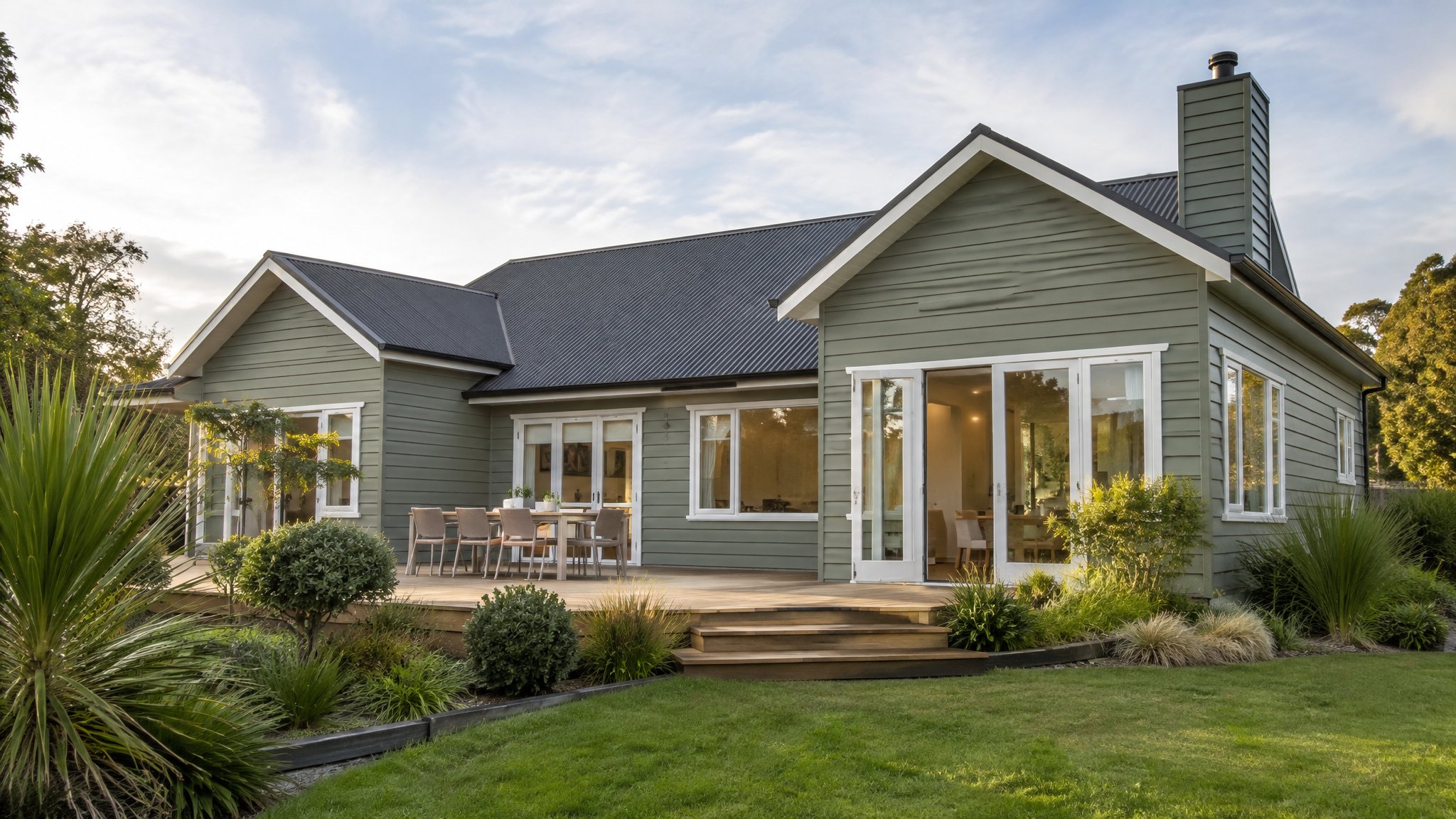
A damaged weatherboard is more than a cosmetic problem. In New Zealand’s damp and changeable weather, even a small split, rot patch or loose board can let moisture into the wall and make the issue worse over time.
If you’ve spotted a bad weatherboard on your Auckland home, the right fix depends on how far the damage has spread. Sometimes it can be repaired locally, but if the timber is soft, swollen or rotten, replacement is usually the better long-term option.
1. Check how bad the damage really is
Start by inspecting the board carefully. Look for soft timber, cracking, cupping, lifted paint, gaps at the join, water staining and any signs of rot around the edges or fixings. If a screwdriver sinks into the timber easily, the board is likely compromised.
It is also worth checking the boards above and below. Sometimes the visible damage is only part of the problem, especially where water has been getting in around windows, corners or old nail holes.
- Probe the timber gently for softness
- Check for mould, swelling or split ends
- Inspect nearby flashings, sealant and paint failure
- Look inside the home for signs of damp or staining
2. Remove the damaged weatherboard safely
Before you remove anything, make sure the area is dry and stable. Use a pry bar or nail puller to ease the board off carefully so you do not damage the weatherboard above or the building paper underneath. If the board is nailed through into studs, take your time removing the fasteners cleanly.
Once the board is out, inspect the cavity and framing behind it. If there is rot in the framing, insulation, or building wrap, that needs attention before a new board goes on. Replacing the board without fixing the cause is only a short-term fix.
3. Fit the replacement board, then seal and paint it properly
Choose a matching weatherboard profile and timber type where possible, so the repair sits neatly with the existing cladding. Cut the replacement board to size, prime all cut ends, and fit it with the correct overlap and fixing pattern for your home’s style.
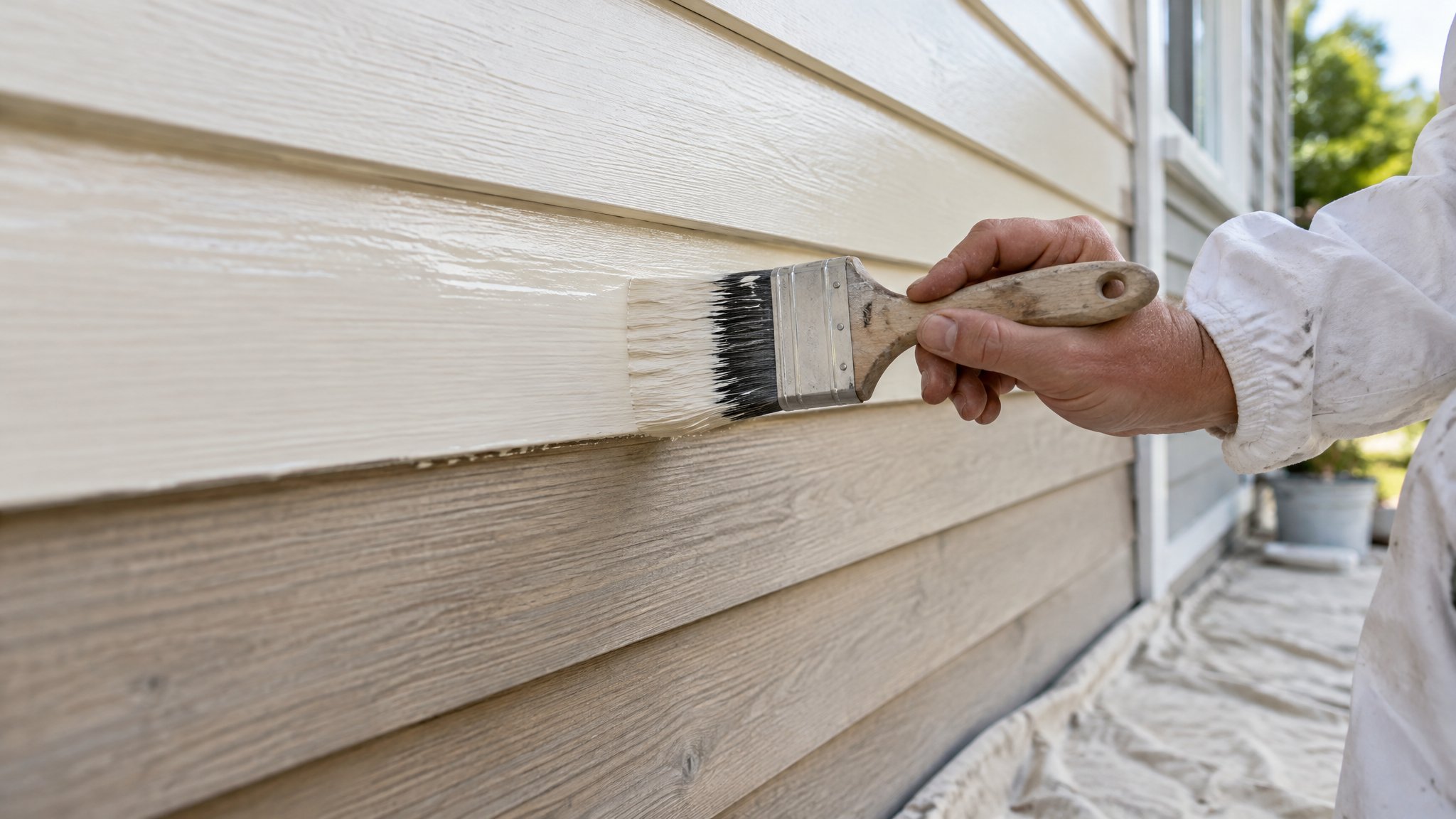
After fixing the board, fill any small holes, caulk where appropriate, and make sure all exposed timber is sealed before painting. A good exterior paint system helps protect the board from moisture and UV, but only if the surface is sound, dry and properly prepared.
- Match the profile and thickness as closely as possible
- Prime cut ends and any bare timber before installation
- Use corrosion-resistant fixings suitable for exterior work
- Finish with quality exterior sealer and paint
When to call Steve
If the weatherboard is high up, the damage is near a window or corner, or you are not sure whether rot has spread further into the wall, it is smart to get advice before starting. A poor repair can trap moisture, leave visible joins, or fail early in Auckland’s weather.
For a neat, durable result, contact Steve, a Kiwi and a trade-qualified painter. He can assess the damage, advise whether repair or replacement is best, and make sure the board is prepared and painted properly so it blends in with the rest of your home.
Frequently Asked Questions
Can I just patch a damaged weatherboard instead of replacing it?
Yes, if the damage is minor and the timber is still sound. Small cracks, surface checks and nail holes can often be repaired. If the board is soft, split through, or showing rot, replacement is usually the better option.
Do I need to paint the replacement board before or after installing it?
Priming cut ends and bare timber before installation is best practice. After the board is fixed and any gaps are filled, the final paint coats can be applied so the repair is fully sealed and blended in.
What causes weatherboards to fail in Auckland homes?
Common causes include ageing paint, poor sealing, blocked gutters, leaking flashings, and prolonged exposure to rain and sun. Any moisture getting behind the cladding can speed up timber decay.
Need a hand with your project?
Happy to tackle some of it yourself? Great — but for anything you’d rather leave to a professional, Steve Lunjevich is a Kiwi and a trade-qualified painter with 20+ years’ experience. Call or email for honest advice or a free, no-obligation quote.