
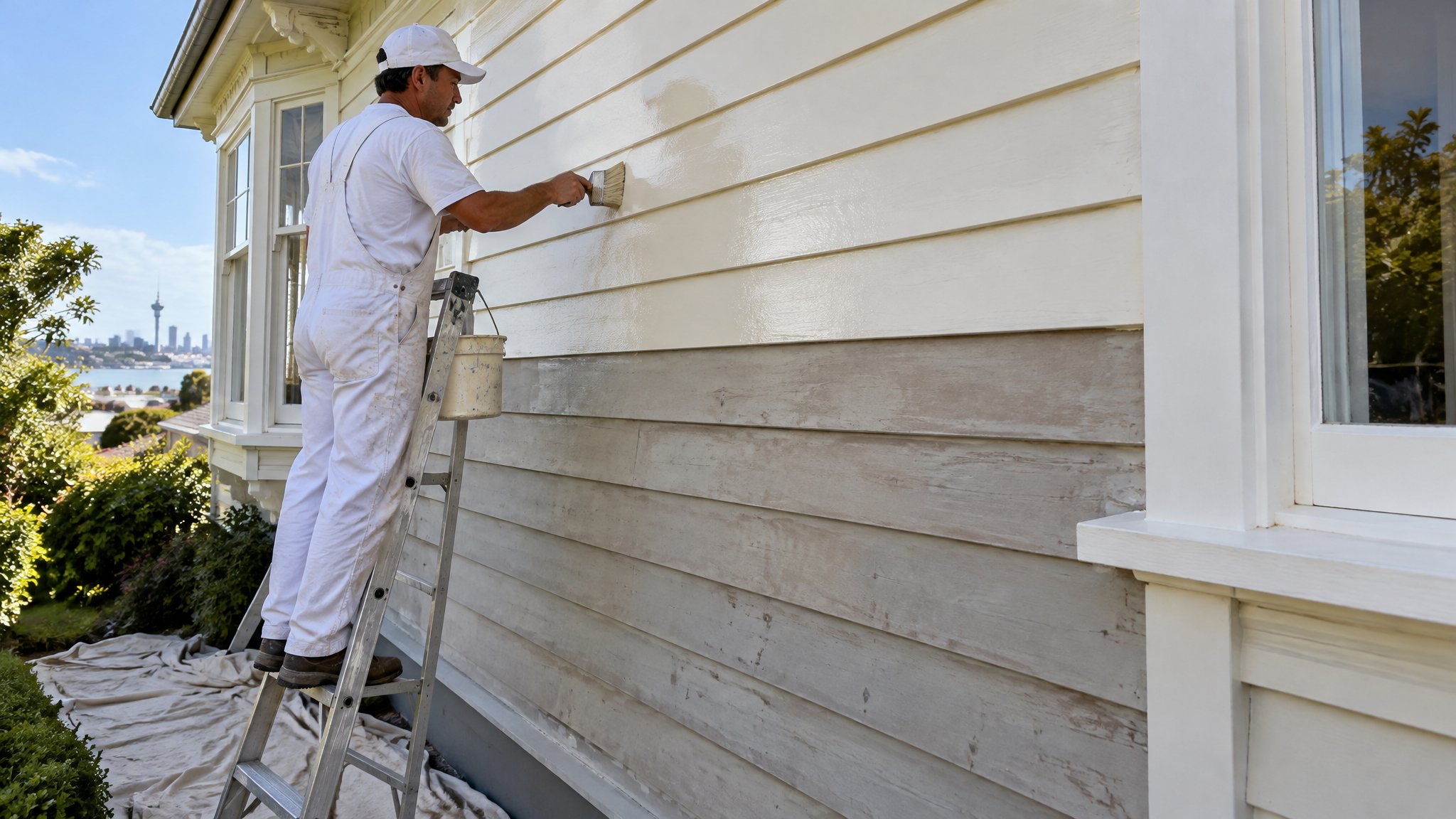
Repainting kitchen cupboards can transform a tired kitchen, but the finish only lasts if the preparation and product choice are right. Cupboards get handled constantly, cleaned often, and exposed to steam and grease, so they need a tougher approach than a standard wall repaint.
If you want a result that stays smooth and resists chipping, the key is careful prep, the right primer, a hard-wearing topcoat, and enough curing time before heavy use.
1. Start with a thorough clean and a sound surface
The biggest reason cupboard paint fails is poor preparation. Kitchen doors and drawer fronts usually carry a fine film of cooking grease, polish, and everyday grime, even when they look clean. Wash everything with a strong sugar soap solution or a suitable degreaser, then rinse and let it dry fully.
Next, remove handles, knobs, and any loose fittings. Take the doors off if you can, and label everything so it goes back in the right place. Check for damage, swollen edges, failing laminate, old silicone, or flaking paint. Sand back any glossy areas and feather the edges where paint has lifted. The aim is to create a clean, lightly keyed surface that the new coating can grip.
If the cupboards are melamine, laminate, or previously varnished, extra prep matters even more. These surfaces can look fine but are often difficult to bond to if they are not properly degreased and sanded.
- Clean with degreaser, not just soapy water
- Remove hardware before you start
- Sand glossy areas to dull the sheen
- Repair chips and flaking edges before priming
2. Use the right primer and cupboard paint
A cupboard finish chips when the coating system is wrong for the surface. For most kitchen cupboards, use a high-adhesion primer designed for slick or difficult surfaces. On timber, previously painted joinery, or laminate, the primer is what helps lock the topcoat onto the substrate.
After priming, use a quality enamel or cabinet-grade paint that cures hard and can handle regular wiping. A low-cost wall paint may look good at first, but it is more likely to mark, soften, or chip around handles and corners. In kitchens, durability is more important than a quick win.
Apply thin, even coats rather than one heavy coat. Thick paint takes longer to cure and is more likely to leave brush marks, runs, or soft edges that wear early. Light sanding between coats can improve the final finish and help each layer bond well.
- Choose a high-adhesion primer for melamine or laminate
- Use cabinet-grade or hard-wearing enamel paint
- Apply thin coats for better durability
- Lightly sand between coats for a smoother bond
3. Let the paint cure properly before using the kitchen hard
A cupboard can feel dry to the touch long before it has fully cured. That means it may still be vulnerable to chips, dents, and imprints if doors are shut hard, hardware is reinstalled too soon, or cupboards are wiped aggressively too early. Follow the product curing times carefully, and if in doubt, give it more time.
Once painted, reassemble the kitchen gently. Avoid hanging doors until the finish has had enough time to harden. Be careful with masking tape, as removing it too soon can tear the edge, but leaving it too long can also mark the paint. Use soft cloths for cleaning and avoid harsh abrasive pads.
A few small habits also help protect the finish long term: fit felt pads where doors might knock, tighten handles properly, and keep cleaning products mild. Even the best paint job can chip if it is constantly knocked or scrubbed with something too aggressive.
- Respect drying time and longer curing time
- Reassemble carefully and avoid hard impacts
- Clean with soft cloths and mild products
- Use felt pads to reduce door knocks
When to call Steve
If your cupboards are melamine, heavily worn, peeling, or previously painted with an unknown product, the job can get tricky fast. In those cases, it is worth speaking with Steve, a Kiwi and a trade-qualified painter. He can assess the surface, recommend the right prep and coating system, and help you avoid a finish that chips after a few months.
For homeowners and property managers across Auckland, especially in premium suburbs like Herne Bay, Remuera, Ponsonby, Parnell, St Marys Bay, Epsom, Westmere, Orakei, Mission Bay, Grey Lynn, and Devonport, getting the system right first time saves time and stress. If you want a kitchen cupboard repaint that looks sharp and holds up, contact Steve, a Kiwi and a trade-qualified painter, for practical advice or a quote.
Frequently Asked Questions
Can I repaint kitchen cupboards without sanding?
Usually not if you want the finish to last. Light sanding helps remove gloss and gives primer something to grip. On difficult surfaces, proper sanding and priming are essential to reduce chipping.
What is the best paint for kitchen cupboards in New Zealand?
A high-quality enamel or cabinet-grade paint is usually best because it cures hard and stands up to cleaning and daily use. The exact product depends on whether the cupboards are timber, melamine, or previously painted.
How long should I wait before using painted cupboards?
Drying time and curing time are different. Cupboards may be dry within hours, but they can take days or longer to harden properly. Follow the paint manufacturer’s guidance before heavy use or cleaning.
Need a hand with your project?
Happy to tackle some of it yourself? Great — but for anything you’d rather leave to a professional, Steve Lunjevich is a Kiwi and a trade-qualified painter with 20+ years’ experience. Call or email for honest advice or a free, no-obligation quote.