
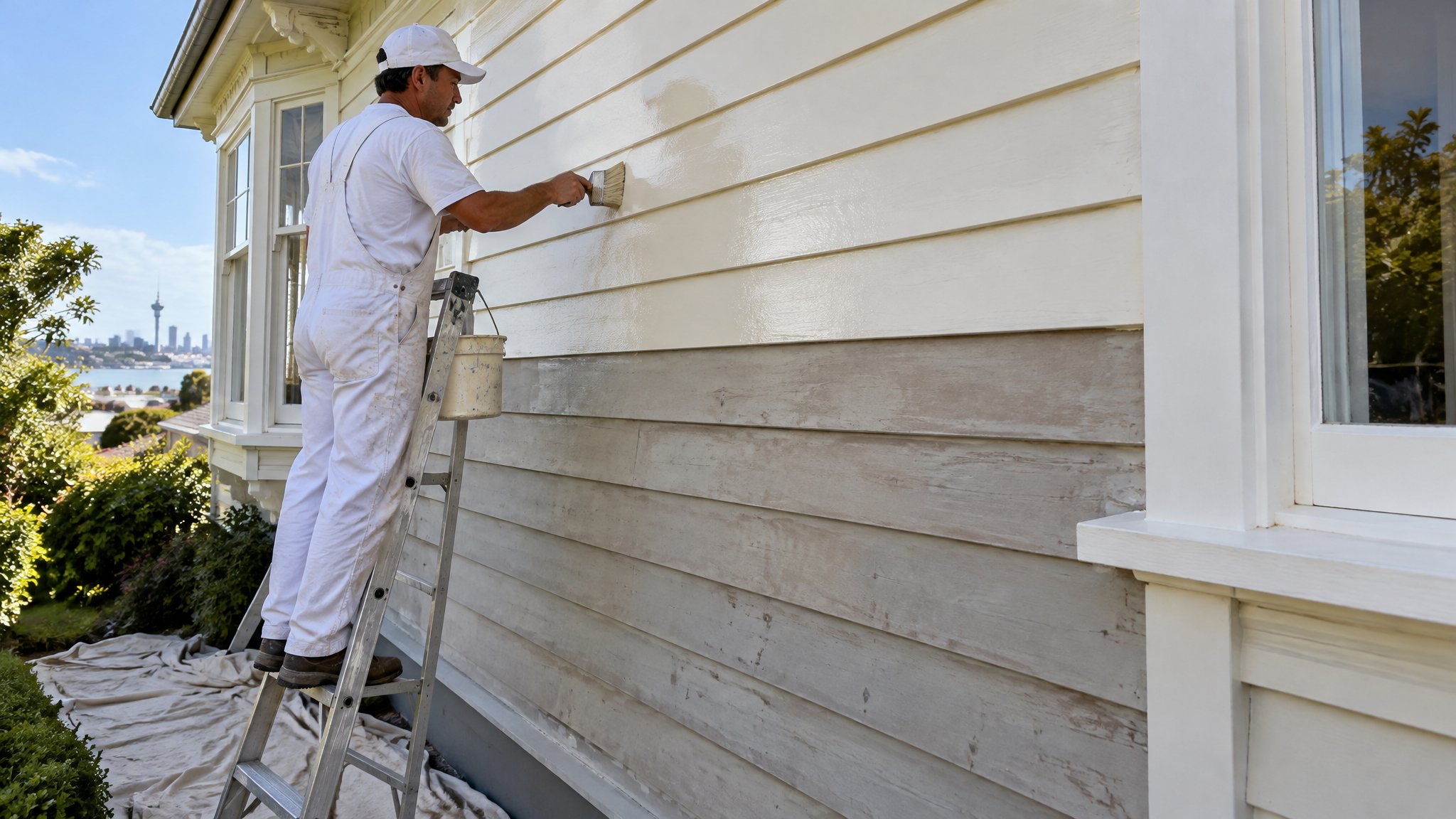
uPVC window frames are practical and low maintenance, but paint splashes can be frustrating — especially on newer homes or neatly finished villas and apartments. The key is to work gently, because uPVC can scratch, stain or soften if you use the wrong product.
If you want the best result, start with the least aggressive method and test a small hidden area first. For anything stubborn, or if the frames are in a high-end finish, it is smart to get advice from Steve, a Kiwi and a trade-qualified painter.
Start with the safest removal method
Before using any chemical cleaner, try to remove the paint mechanically in a careful way. If the paint is fresh, warm water with a little dishwashing liquid may lift it before it fully cures. Use a soft microfibre cloth and plenty of patience.
For dried paint, a plastic scraper or old credit card can work well on uPVC if you keep the edge flat and avoid digging into the surface. Take your time and work in short strokes. Do not use metal blades, sandpaper or abrasive pads, as they can permanently mark the frame.
- Wipe off loose dust and grit first so you do not grind it into the frame
- Soften the paint with warm soapy water before scraping
- Use only plastic tools, never steel blades
- Test a hidden corner before cleaning the visible areas
Choose products carefully
If water and gentle scraping are not enough, use a cleaner that is safe for plastic and uPVC. A mild specialist adhesive or paint remover can sometimes help, but it must be suitable for synthetic frames. Always read the label and avoid harsh solvents unless the manufacturer specifically says they are safe for uPVC.
Acetone, paint thinners, methylated spirits and strong caustic products can discolour or soften the frame, especially on sunny north-facing windows. Even if the paint comes off quickly, the damage to the uPVC can be hard to fix.
How to avoid damaging the frame finish
The biggest risk is not the paint itself — it is using too much force or the wrong chemical. Work slowly, keep the surface damp rather than flooded, and rinse the area well after cleaning. Dry it with a soft cloth so residue does not sit on the frame.
If the paint has spread onto seals, gaskets or textured corners, be extra cautious. These areas can trap paint and are easy to damage. In some cases, the safest option is to stop and assess whether the frame needs professional attention rather than more scraping.
- Avoid heat guns and open flame — uPVC can warp quickly
- Do not scrub with green scourers or abrasive powders
- Keep solvents away from rubber seals where possible
- Finish by wiping with clean water and a soft cloth
When to call Steve
If the paint is old, the frame has a delicate finish, or you are worried about marking the uPVC, contact Steve, a Kiwi and a trade-qualified painter. He can assess the type of paint, the condition of the frame and the safest way to remove it without causing extra damage.
This is especially worthwhile for premium homes in Auckland where a clean finish matters. Steve can also advise whether the paint can be removed successfully or whether a touch-up, repaint or replacement part would be a better long-term solution.
Frequently Asked Questions
Can I use a heat gun to remove paint from uPVC window frames?
It is not recommended. uPVC can soften, blister or warp with heat very quickly, so a heat gun is too risky for most frames.
Will methylated spirits remove paint from uPVC?
It may affect some paint spots, but it can also mark or dull the frame. If you use any solvent, test it in a hidden area first and avoid strong products unless they are confirmed safe for uPVC.
What is the safest DIY method for dried paint on uPVC?
Start with warm soapy water, then use a plastic scraper or cloth. If that does not work, move to a uPVC-safe cleaner and avoid anything abrasive or solvent-heavy.
Need a hand with your project?
Happy to tackle some of it yourself? Great — but for anything you’d rather leave to a professional, Steve Lunjevich is a Kiwi and a trade-qualified painter with 20+ years’ experience. Call or email for honest advice or a free, no-obligation quote.