
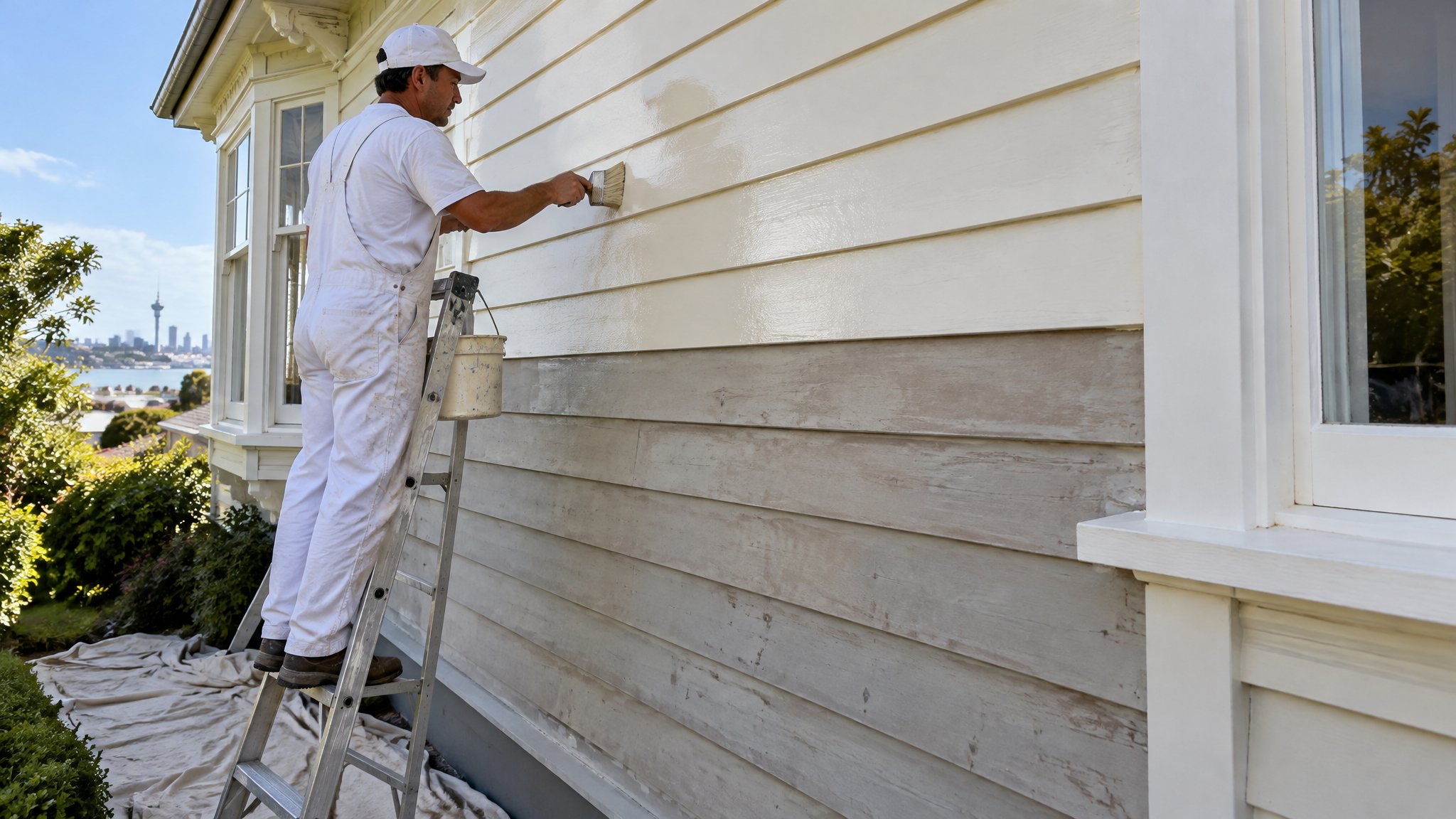
If you’re freshening up a home in Auckland, radiators and hot water pipes can be tricky because they get warm and need the right coating. The short answer is: use a heat-resistant enamel or a specialist radiator paint designed for metal surfaces.
The exact product depends on the temperature the surface reaches, the existing finish, and whether you’re painting bare metal, previously coated metal, or old rusty pipes. Getting that right matters, because the wrong paint can soften, discolour, peel, or smell unpleasant when heated.
Choose the right type of paint
For most radiators and exposed hot water pipes, use a high-temperature or heat-resistant paint made for metal. In many homes, a water-based enamel or specialist radiator paint is a practical choice because it levels well, dries reasonably fast, and gives a durable finish.
If the pipework or radiator gets very hot, check the product label for the maximum temperature rating. Always follow the manufacturer’s instructions, because some paints are suitable only for moderate heat and others are made for higher-temperature metal surfaces.
For a neat, long-lasting result, stick to finishes intended for internal metalwork rather than general wall paint.
- Use heat-resistant or radiator-specific paint
- Choose a product suitable for internal metal surfaces
- Check the maximum temperature rating on the label
- Avoid standard wall paint on hot pipes or radiators
Prep is just as important as the paint
Good preparation makes the biggest difference. Start by turning the heating off and letting everything cool completely. Clean the surface with sugar soap or a suitable degreaser to remove dust, grime, and old residue, then rinse and dry it well.
If there is loose paint, flaking spots, or surface rust, sand it back so the new coating has a sound base. On bare metal, a suitable metal primer is usually needed before the topcoat. That helps with adhesion and reduces the chance of rust coming through later.
Keep the surrounding area protected, especially near skirting boards, carpet, or polished timber. Radiators and pipes often sit in tight spots, so a small brush can help you cut in neatly without making a mess.
Application tips for a tidy finish
Apply thin coats rather than trying to cover in one heavy pass. Thin coats dry more evenly and are less likely to sag or trap moisture. A brush is often the best tool for radiators and pipework, although a small foam roller can work on accessible flat sections.
Allow enough drying time between coats and before turning the heating back on. If heat is introduced too early, the finish can mark or lose its smooth look. Once cured properly, a good radiator paint should handle normal household heat and cleaning.
If your pipes are copper, galvanised steel, or older painted metal, the prep and primer choice may vary. That’s where a bit of product knowledge saves headaches later.
When to call Steve
If you’re unsure what your radiators or hot water pipes are made of, or the existing coating is failing, it’s worth getting advice before you start. Steve is a Kiwi and a trade-qualified painter who can assess the surface, recommend the right system, and do the prep properly so the finish lasts.
That’s especially helpful in older Auckland homes where pipework may have multiple layers of old paint, rust spots, or hard-to-reach sections. Steve can also help if you want the job done neatly with minimal disruption and a finish that suits the rest of the interior.
Frequently Asked Questions
Can I use normal wall paint on radiators?
It’s not recommended. Standard wall paint usually isn’t designed for heat and may soften, discolour, or peel over time. Use a heat-resistant or radiator-specific product instead.
Do I need primer on hot water pipes?
If the pipes are bare metal, rusty, or patched, a suitable metal primer is usually needed for adhesion and durability. If they’re already well-coated, prep and compatibility still need checking.
Can I paint radiators while the heating is on?
No. Turn the heating off and let the radiator or pipes cool fully before cleaning, sanding, or painting. Painting warm surfaces can affect adhesion and drying.
Need a hand with your project?
Happy to tackle some of it yourself? Great — but for anything you’d rather leave to a professional, Steve Lunjevich is a Kiwi and a trade-qualified painter with 20+ years’ experience. Call or email for honest advice or a free, no-obligation quote.