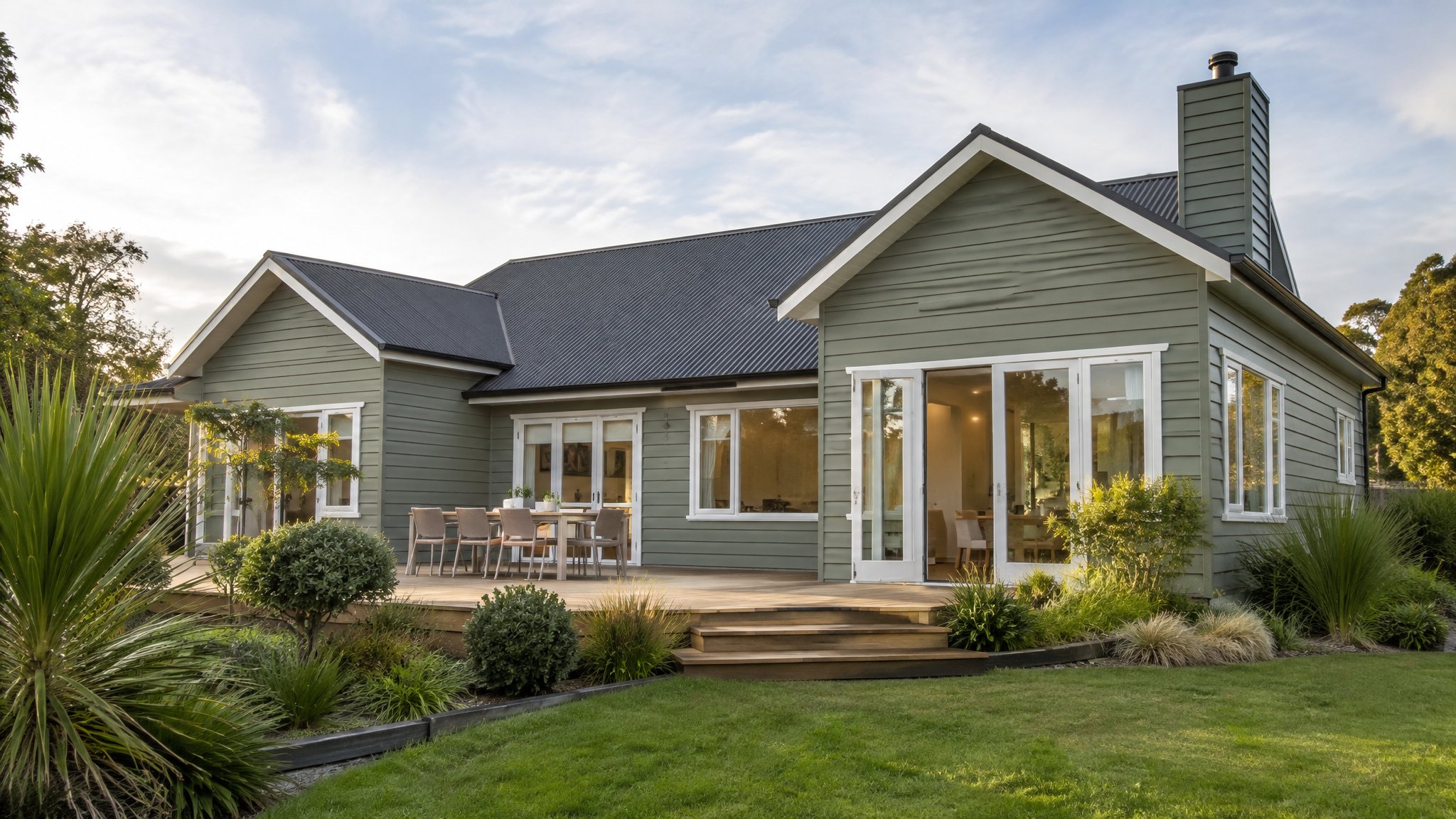
Loose weatherboard cladding is something you should take seriously. Even a small gap can let water into the wall cavity, which can lead to timber rot, mould, and more costly repairs later on.
In Auckland’s weather, with driving rain, salty air in coastal suburbs, and regular movement in timber homes, weatherboards can work loose over time. The good news is that a proper refix job is usually straightforward when it is caught early.
Why weatherboards pull away
Weatherboards usually come loose because the original fixings have failed, timber has shrunk or swollen, or the framing behind the cladding has moved. Older homes can also have nail corrosion, especially where moisture has been present for a while.
Sometimes the board itself is still sound, but the fixings no longer grip properly. In other cases, the cladding has moved because there is hidden water damage behind it. That is why it is worth checking carefully before you simply hammer it back in.
- rusted or loose nails
- timber movement from moisture changes
- hidden rot in the board or framing
- poor original fixing detail
- impact damage or house movement
How to refix loose weatherboard cladding
Start by inspecting the loose section closely. If the board is only slightly lifted and the timber is still firm, it may be able to be resecured. Press along the board and look for soft spots, cracks, and staining that may suggest water has got in.
If the board is sound, the loose fixing can usually be removed and replaced with a suitable exterior nail or screw. The new fixing should bite into solid timber, not just the face of the board. In some cases, the board may need to be lifted gently and packed so it sits flush again before refixing.
Where the board has split, warped, or no longer lines up properly, it may need a section replacement rather than a simple refix. That is especially important if the cladding is gapped enough to expose building paper or framing.
- check for rot before fixing anything back down
- use exterior-grade fixings suitable for the cladding type
- make sure the board sits tight and level
- seal or touch up any disturbed paintwork
- don’t trap moisture under a badly seated board
What not to do
Do not just drive a nail back into the same hole if it has lost its grip. That will often fail again. It can also split the board, which makes the problem worse.
Avoid filling a loose gap with too much filler and hoping it will hold. Filler is for finishing, not for structural fixing. If the board is moving, it needs a proper mechanical refix.
Also be careful if the area is painted with older coatings. If there is any chance of lead-based paint, sanding or scraping should be handled carefully and properly.
When to call Steve
If the weatherboard has pulled away more than a few millimetres, if you can see staining or softness, or if the board moves when you press it, it is time to get it checked. A small loose section can hide a bigger issue behind the cladding.
Steve is a Kiwi and a trade-qualified painter, and he can assess whether the board can be refixed, needs replacing, or whether there is likely moisture damage underneath. He can also make sure the repair is tidy, weather-resistant, and ready for repainting so the finish blends in properly.
Frequently Asked Questions
Can I just hammer loose weatherboards back in?
Sometimes, but only if the board is still sound and the fixing hole still has grip. If the timber is soft, split, or the hole is worn out, it needs a proper refix with a suitable exterior fixing.
How do I know if the cladding is rotten behind the loose board?
Look for softness, dark staining, flaking paint, mould, or a board that flexes too easily. If you are unsure, get it checked before refixing, as hidden rot can spread.
Will refixing the board affect painting later?
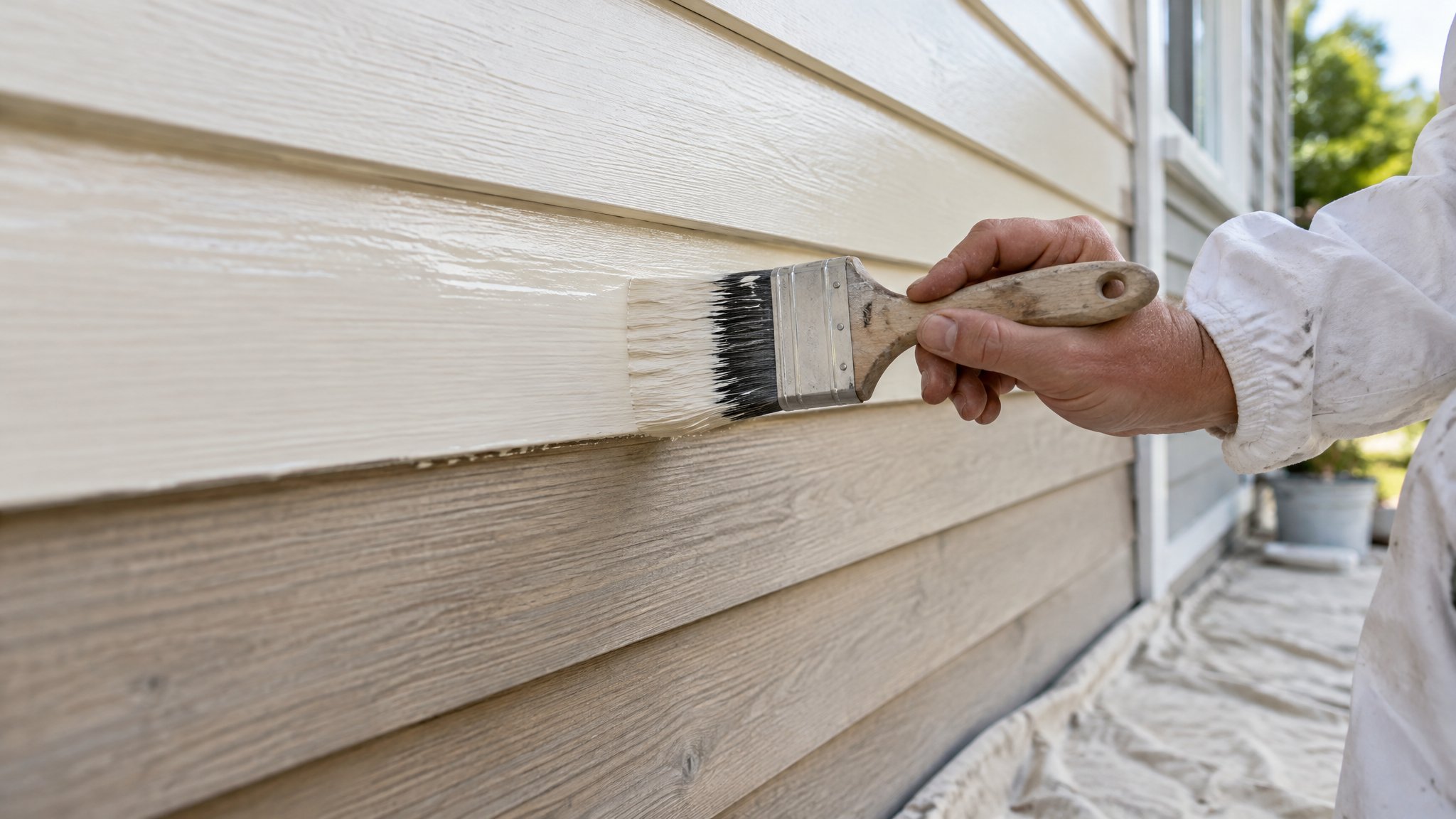
Yes, any disturbed area should be cleaned up, filled where needed, sealed, and repainted so moisture cannot get in. A proper paint touch-up also helps the repair disappear visually.
Need a hand with your project?
Happy to tackle some of it yourself? Great — but for anything you’d rather leave to a professional, Steve Lunjevich is a Kiwi and a trade-qualified painter with 20+ years’ experience. Call or email for honest advice or a free, no-obligation quote.