
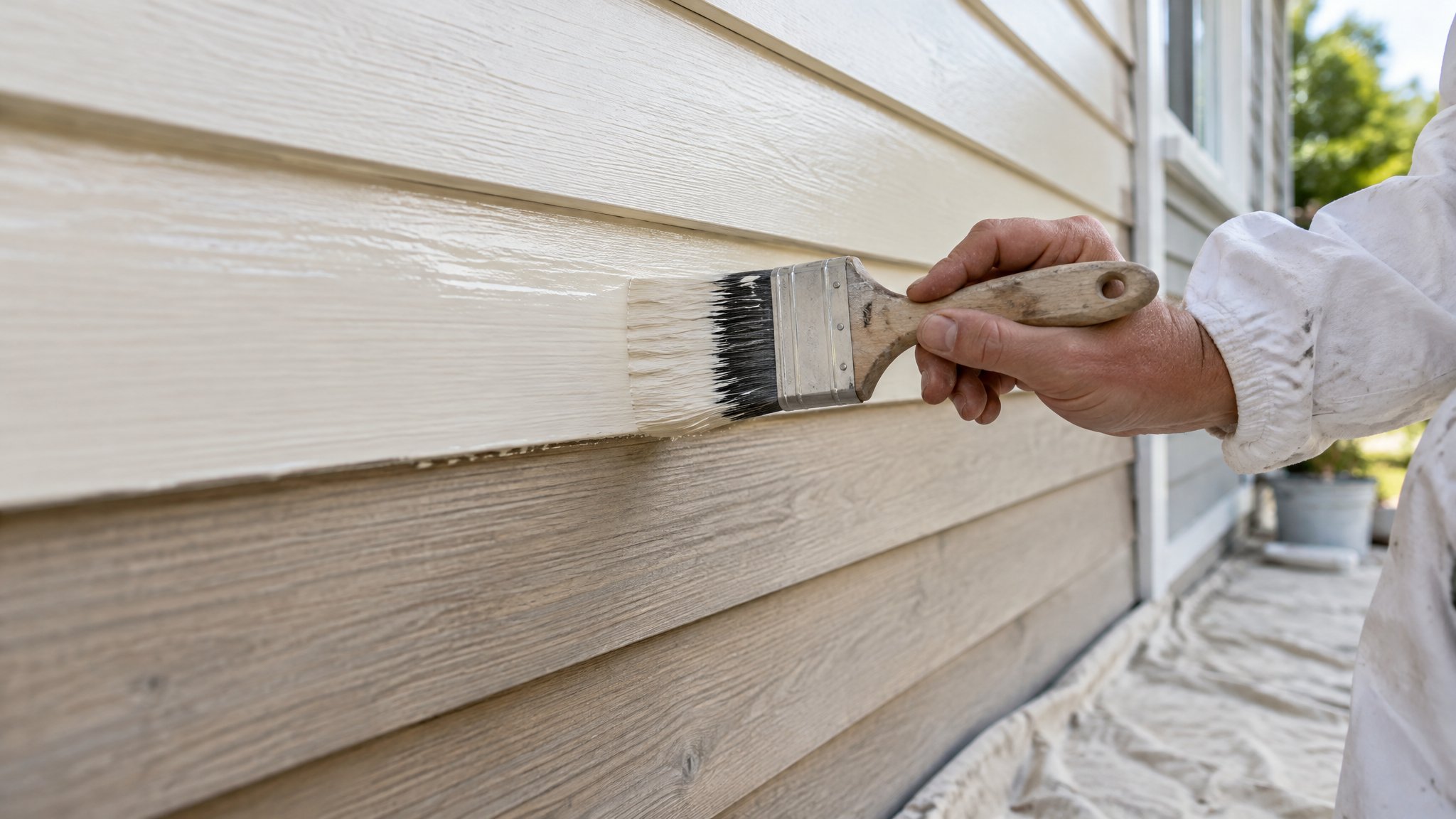
A timber gate that sits close to the ground copes with a lot: splashback from rain, damp soil, lawn moisture, and extra grime. If it is painted without the right preparation, the finish can fail quickly at the bottom edge first.
The good news is that with proper prep and the right products, you can get a durable finish that looks sharp and helps protect the timber. The key is to reduce moisture absorption, seal all vulnerable edges, and keep the bottom of the gate out of standing water as much as possible.
Start with the gate position and moisture issue
Before you open a paint tin, check why the gate is failing in the first place. If the bottom rail is sitting too close to soil, paving, or wet grass, paint alone will not solve the problem. Timber needs a little clearance so it can dry out after rain.
Look for any signs of rot, swelling, flaking paint, or black mould at the bottom edge and on the hinge side. If the gate is dragging, rubbing, or holding water because it is out of square, fix that first. A smooth, well-adjusted gate will take paint far better.
- Clear away mud, moss, and old mulch from the gate’s bottom edge
- Trim back plants and grass that trap moisture against the timber
- Check for standing water after rain
- Make sure the gate opens freely without scraping the ground
Prep properly so the coating lasts
Preparation is everything on exterior timber. Wash the gate thoroughly with a mild exterior cleaner to remove dirt, grease, and chalking paint. Let it dry fully before sanding. If the timber is damp, the coating is much more likely to blister or peel.
Sand back loose paint and feather the edges so the new coating blends cleanly. Pay special attention to end grain, joints, and the underside of the bottom rail, as these areas absorb moisture fastest. If the timber is bare in spots, spot-prime those areas before topcoating.
For best results, use a high-quality exterior timber primer or sealer suitable for the condition of the gate. End grain should be sealed carefully, because it behaves like a bundle of tiny straws and can wick in water very quickly.
- Use 120–180 grit sandpaper for general prep
- Remove all flaking material before repainting
- Allow enough drying time after washing
- Seal bare timber, especially on cut ends and joints
Paint application tips for low-clearance gates
Choose a premium exterior paint system designed for timber and local weather conditions. A gate near the ground gets splashed and exposed from both sides, so it needs full coverage. Apply primer first where needed, then two topcoats for a stronger finish.
Paint the underside, bottom edge, and hinge side carefully. These are the first places to fail, so do not treat them as an afterthought. Work the paint into corners and end grain, but avoid loading it on so heavily that it pools or stays soft.
If the gate is removable, painting it flat on trestles can make life easier and help you coat the bottom edge properly. If it must stay hanging, paint on a dry day with mild temperatures and low humidity. Avoid painting just before evening dew or rain.
- Use a brush for detail and an even finish on edges
- Roll larger flat areas if it suits the gate profile
- Keep coats thin and even rather than heavy
- Leave full drying time between coats
When to call Steve
If the gate is rotten, badly swollen, out of alignment, or close to the ground because of a drainage problem, it is worth getting advice before you paint. A paint system will only perform well if the timber is sound and the moisture issue is under control.
If you want a clean, durable result without the guesswork, contact Steve, a Kiwi and a trade-qualified painter. He can assess the condition of the timber, recommend the right preparation and coating system, and make sure the gate is finished properly for Auckland conditions.
Frequently Asked Questions
What paint is best for a timber gate near the ground?
Use a premium exterior timber system with the right primer or sealer for the timber condition. The bottom edge and end grain need especially good protection.
Can I paint a gate if the timber is slightly damp?
It is best not to. Timber should be dry before priming or painting, otherwise the coating may blister, peel, or fail early.
How do I stop the bottom of the gate from rotting?
Keep it clear of wet soil and grass, improve drainage if needed, seal the end grain well, and repaint before the coating breaks down.
Need a hand with your project?
Happy to tackle some of it yourself? Great — but for anything you’d rather leave to a professional, Steve Lunjevich is a Kiwi and a trade-qualified painter with 20+ years’ experience. Call or email for honest advice or a free, no-obligation quote.