
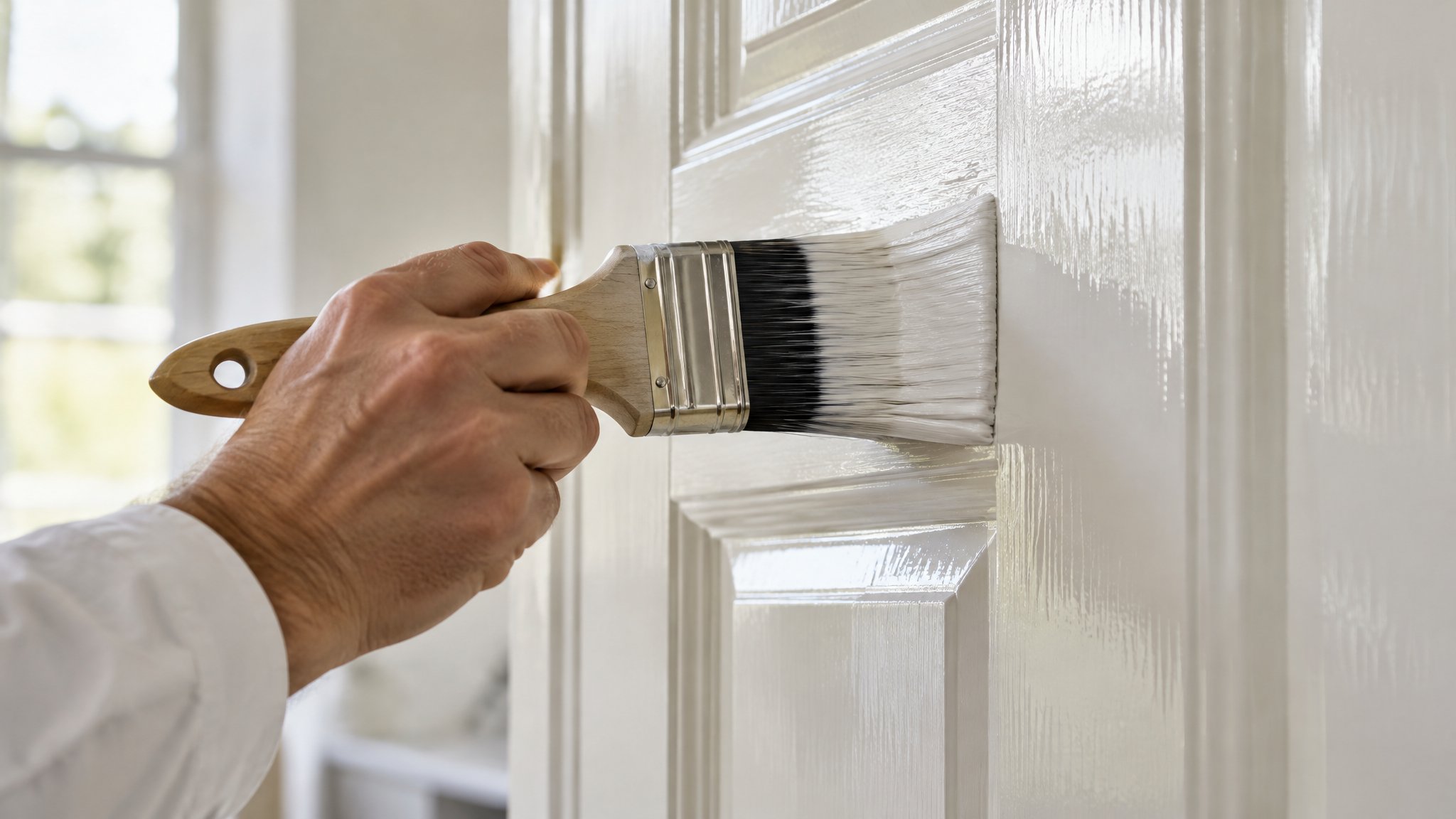
If a paint job has been left patchy, messy or simply not to the standard you expected, it is worth handling the complaint calmly and in writing. A clear, well-documented approach gives you the best chance of getting the issue fixed properly.
For Auckland homeowners and property managers, the goal is usually straightforward: get the defects acknowledged, agree what needs to be corrected, and set a reasonable timeframe for the remedial work.
Start by documenting the problems clearly
Before you contact the painter, walk through the property and note every issue you can see. Common problems include missed spots, brush marks, poor cutting-in, paint on hardware or glass, uneven sheen, drips, peeling, visible repairs, and surfaces that were not prepared properly.
Take dated photos in good light and keep copies of the quote, scope of works, emails, text messages, invoices and any warranty or guarantee information. If the work is in a rental, body corporate or commercial setting, record which areas are affected and whether the issue is cosmetic or likely to cause longer-term damage.
A good complaint is factual, not emotional. Say what the defect is, where it is, when you noticed it, and what outcome you want.
- Photograph each problem area
- Keep all quotes, invoices and messages
- List the specific defects, not just general dissatisfaction
- Note any deadlines or occupancy constraints
Make the complaint in writing and ask for a clear remedy
The next step is to send a formal written complaint to the painter or company director. Email is usually best because it creates a record. Keep the tone polite, firm and specific. State that the finished work appears substandard and ask for the issue to be inspected and remedied.
Include the address, the date the work was completed, a short list of defects, the evidence you have, and a request for a response by a set date. If the painter has already attended once, mention what was said and what still needs fixing.
Avoid withholding payment without advice unless you are sure of your rights and the contract position. In some cases, it is better to notify the painter of the defects first and give them a fair opportunity to put things right.
- Use email so you have a written trail
- Be specific about each defect and where it is
- Ask for inspection, repair or repainting
- Set a reasonable deadline for reply
Escalate if the painter does not respond or fix it
If the painter refuses to engage, ignores your complaint, or the repairs are still not satisfactory, escalate the matter. Depending on the situation, that may mean asking for an independent inspection, seeking advice from a lawyer or dispute resolution service, or using the relevant consumer protection pathway if the work was arranged as a business-to-consumer job.
For larger jobs, it can help to get a second opinion from another fully trade-qualified painter so you can separate minor cosmetic issues from genuine workmanship defects. That independent view can also help if you need to negotiate a fair settlement or prove that remedial work is required.
Stay professional throughout. Keep all communication in writing, summarise phone calls by email, and give the other party a final chance to resolve the matter before taking formal action.
- Escalate in writing
- Seek an independent assessment if needed
- Keep a timeline of all contacts
- Follow the contract and complaint process if one exists
When to call Steve
If you are unsure whether the finish is actually substandard, or you want an experienced opinion before lodging a formal complaint, contact Steve. He is a Kiwi and a trade-qualified painter who can assess the work, explain whether it meets a sensible professional standard, and advise on the best next step.
Steve can also help identify whether the problem is poor workmanship, product failure, or a preparation issue, which is often important before you push for a remedy. For Auckland properties, that practical advice can save time, stress and unnecessary back-and-forth.
Frequently Asked Questions
What should I include in a formal complaint about painting work?
Include the property address, the date the work was finished, a clear list of defects, photos, copies of the quote and invoice, and what remedy you want. Keep the complaint factual and polite.
Can I ask the painter to redo the job?
Yes, that is often the first and most reasonable remedy if the finish is substandard. Ask for an inspection and a clear plan to repair, repaint or otherwise correct the defects.
Should I get another painter to inspect the work?
If the issue is disputed or the defects are not obvious, a second opinion can help. A trade-qualified painter can tell you whether the finish is acceptable and what remedial work may be needed.
Need a hand with your project?
Happy to tackle some of it yourself? Great — but for anything you’d rather leave to a professional, Steve Lunjevich is a Kiwi and a trade-qualified painter with 20+ years’ experience. Call or email for honest advice or a free, no-obligation quote.