
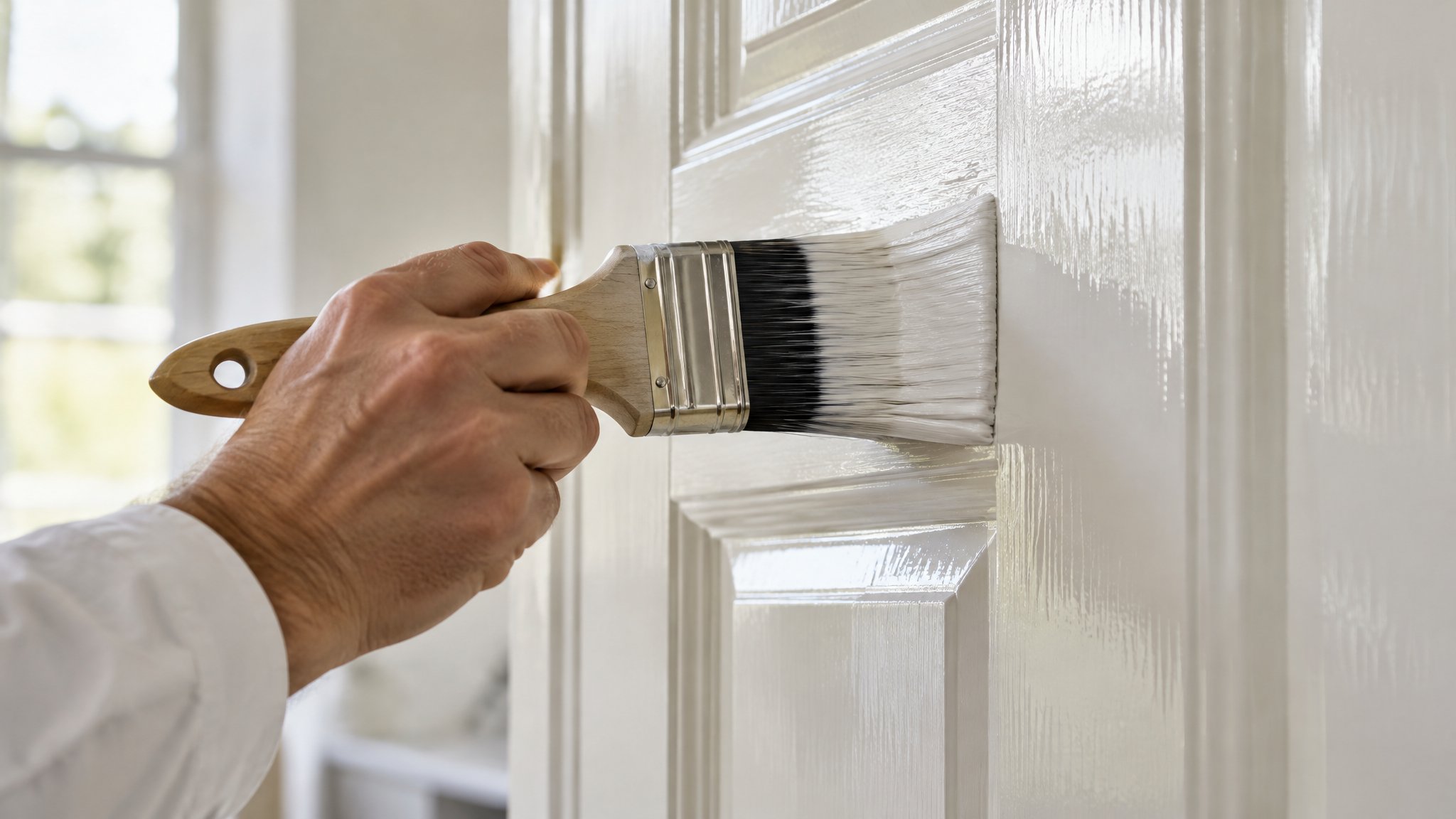
A chalk or matte furniture finish can completely change the look of a piece, giving it a softer, more relaxed feel than a glossy painted finish. It works well on everything from bedside tables to dining chairs, especially if you want a modern, understated look.
The key is not just the paint you choose, but the prep, application and sealing. Done properly, the finish should look smooth, even and suitably durable for everyday use.
Choose the right look and product
First decide whether you want a true chalk-painted finish or simply a low-sheen matte look. Chalk paint is known for its flat, velvety appearance and is often used for decorative furniture pieces. A quality water-based acrylic enamel or furniture paint can also give a clean matte result, often with better toughness for daily use.
For most furniture in Kiwi homes, especially pieces that get handled often, I’d recommend checking that the product is suitable for timber and can be sealed if needed. If you want a soft, lived-in finish, avoid high-gloss products and choose a flat or low-sheen system instead.
- Chalk paint: best for a soft, artisan-style finish
- Matte furniture paint: better for a cleaner modern look
- Low-sheen water-based enamel: often more durable on high-use pieces
Prep matters more than the paint
A furniture finish is only as good as the surface underneath. Start by cleaning off grease, wax and dust, especially on kitchen, dining or second-hand pieces. In Auckland homes, furniture often picks up airborne grime and hand oils, so a proper degrease is worth the effort.
Light sanding helps the new coating grip. If the piece is already painted, check for flaking or chalky old layers and sand those back. For glossy timber, dull the surface thoroughly so the paint can bond. Any dents, scratches or open grain should be filled, sanded smooth and dusted off before priming.
If the furniture has tannins, knots or stained timber, use a suitable stain-blocking primer so marks do not bleed through the finish later.
- Clean thoroughly before sanding
- Sand glossy or damaged areas for adhesion
- Use primer where needed, especially on stained timber
Apply thin coats and seal correctly
For the best matte finish, apply two or more thin coats rather than one heavy coat. Thin coats reduce brush marks, drips and uneven texture. A quality brush or small foam roller can both work well, depending on the piece and the look you want.
Let each coat dry fully and sand lightly between coats if the surface feels rough. This is especially helpful on furniture where you want a more refined finish, such as cabinetry, sideboards or bedside tables.
If the item will be used regularly, seal it with the right topcoat. A matte water-based clear coat will protect the surface while keeping the low-sheen look. On chalk-painted furniture, sealing is especially important for tables, drawers and shelves that get handled often.
- Use thin, even coats
- Sand lightly between coats if needed
- Seal with a matte clear coat for durability
When to call Steve
If you want a furniture finish that looks professional, lasts well and suits your home, it can be worth getting advice before you start. Steve is a Kiwi and a trade-qualified painter, and he can help you choose the right paint system, prep method and topcoat for the piece you’re working on.
That’s especially useful for valuable timber furniture, detailed pieces, or jobs where the existing finish is stubborn, stained or uneven. A quick chat with Steve can save time, avoid rework and help you achieve the exact chalk or matte look you want.
Frequently Asked Questions
Do I need to sand furniture before using chalk paint?
Usually yes, at least lightly. Even though chalk paint is known for good adhesion, proper cleaning and a light sand help the finish bond and look more even.
How do I keep a matte furniture finish from looking patchy?
Work in thin coats, use the right brush or roller, and keep your application consistent. A light sand between coats can also help smooth out marks and patchiness.
Can I use matte wall paint on furniture?
It is not ideal. Wall paint usually is not tough enough for furniture use. A proper furniture paint, enamel or chalk paint system will hold up better.
Need a hand with your project?
Happy to tackle some of it yourself? Great — but for anything you’d rather leave to a professional, Steve Lunjevich is a Kiwi and a trade-qualified painter with 20+ years’ experience. Call or email for honest advice or a free, no-obligation quote.
