
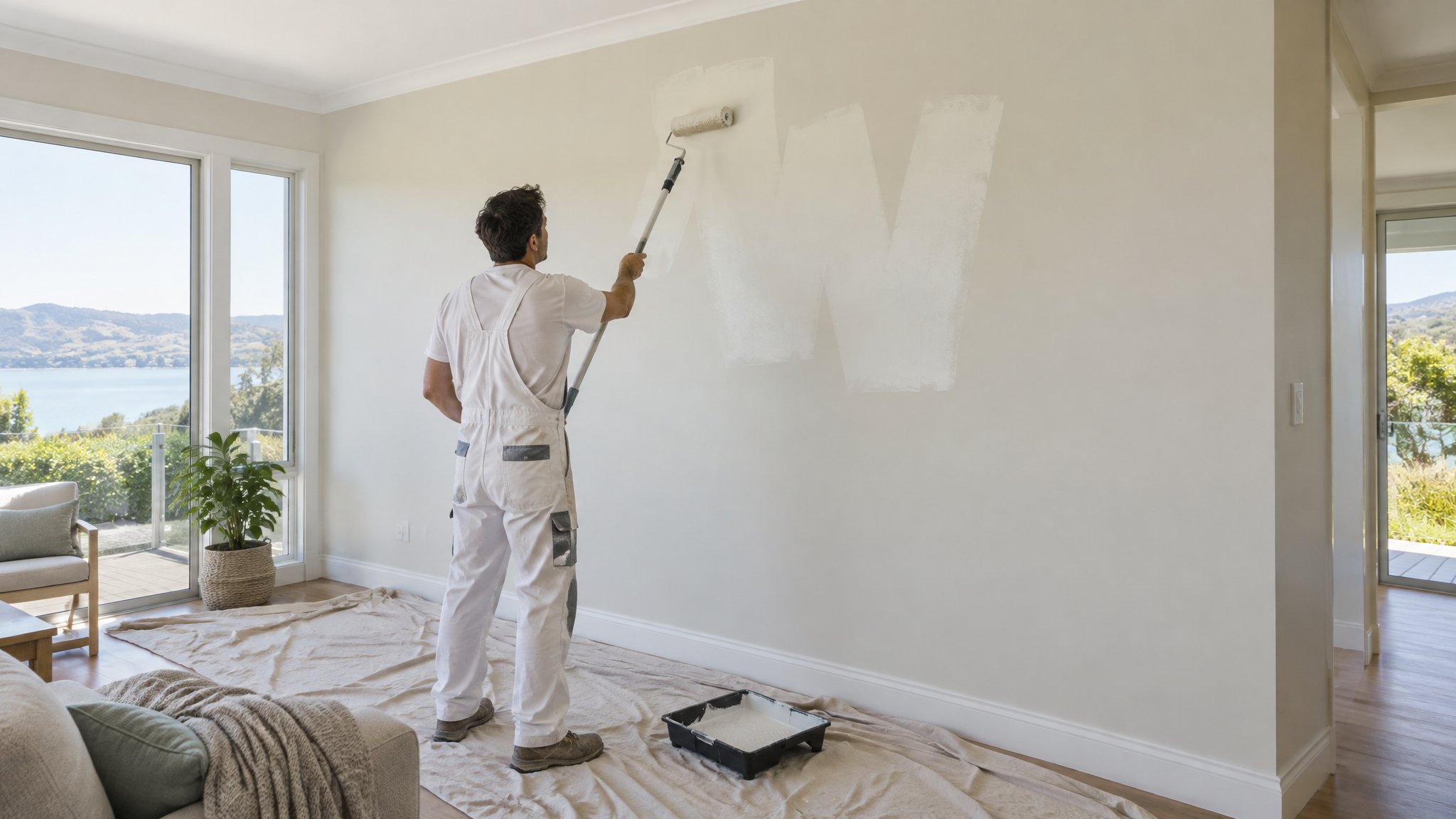
Yes, you can paint over wallpaper in some cases — but it is not always the best idea. The finished result depends on the type of wallpaper, how well it is stuck down, and the condition of the wall underneath.
In Auckland homes, especially older villas and character properties, wallpaper can hide past repairs, uneven plaster, or moisture issues. A good paint job starts with knowing whether the wallpaper is worth keeping in place.
When painting over wallpaper can work
Painting over wallpaper can be a practical option if the paper is sound, flat, and firmly bonded to the wall. It can save time and reduce the mess of stripping, particularly when the wallpaper is in good condition and there are no signs of bubbling, peeling, or damp.
A smooth, well-adhered wallpaper can take paint quite well, especially if it has a paintable surface or has already been painted before. The key is careful preparation before any topcoat goes on.
Before painting, check for these signs that it may be suitable:
- No loose edges, lifting seams, or peeling patches
- No mould, stains, or water damage
- No major texture, embossing, or old repairs showing through
- The wallpaper is firmly bonded to the wall all over
When it is better to remove the wallpaper
If the wallpaper is bubbling, stained, mouldy, torn, or poorly stuck, painting over it usually only hides the problem for a short time. Once paint goes on, moisture can still sit behind the paper and cause more lifting later.
It is also a poor option if the wallpaper has a shiny vinyl surface, heavy texture, or multiple old layers. These can make adhesion difficult and may leave the finish looking uneven, even after several coats.
In some cases, stripping the wallpaper and properly preparing the wall gives a much better long-term result. That is often the smarter choice in premium Auckland homes where a crisp, high-quality finish matters.
What needs to happen before painting
Good prep makes all the difference. If you do paint over wallpaper, the surface should be cleaned, dried, and inspected carefully. Loose paper should be secured, seams filled, and damaged spots repaired before priming.
A stain-blocking or adhesion primer is often needed, depending on the paper and what is on it already. This helps seal the wallpaper and improves the bond for the topcoat.
A few practical points to keep in mind:
- Never paint over wallpaper that is damp
- Use the right primer for the surface
- Seal seams and repairs before topcoating
- Expect some texture to still show through
- Test a small area first if you are unsure
When to call Steve
If you are not sure whether to paint over the wallpaper or remove it, it is worth getting advice before you start. The wrong approach can lead to peeling, blistering, or a finish that looks tired far too soon.
Steve is a Kiwi and a trade-qualified painter, and he can assess the wallpaper, the wall condition, and the best method for your home. He works with Auckland homeowners and property managers who want a neat, durable interior finish without guesswork.
If you want honest advice on whether your wallpaper should stay or go, contact Steve. As a Kiwi and a trade-qualified painter, he can help you choose the right preparation and paint system for a result that lasts.
Frequently Asked Questions
Do you need to prime wallpaper before painting?
Usually, yes. A suitable primer helps seal the surface and improves adhesion, especially if the wallpaper has stains, texture, or a porous finish.
Will paint hide wallpaper seams and texture?
Not completely. Paint can soften the look, but seams, joins, and embossed patterns may still show through unless the wall is properly prepared first.
Is it cheaper to paint over wallpaper than remove it?
It can be cheaper upfront, but only if the wallpaper is in good condition. If it is damaged or badly bonded, removing it may save money and frustration in the long run.
Need a hand with your project?
Happy to tackle some of it yourself? Great — but for anything you’d rather leave to a professional, Steve Lunjevich is a Kiwi and a trade-qualified painter with 20+ years’ experience. Call or email for honest advice or a free, no-obligation quote.