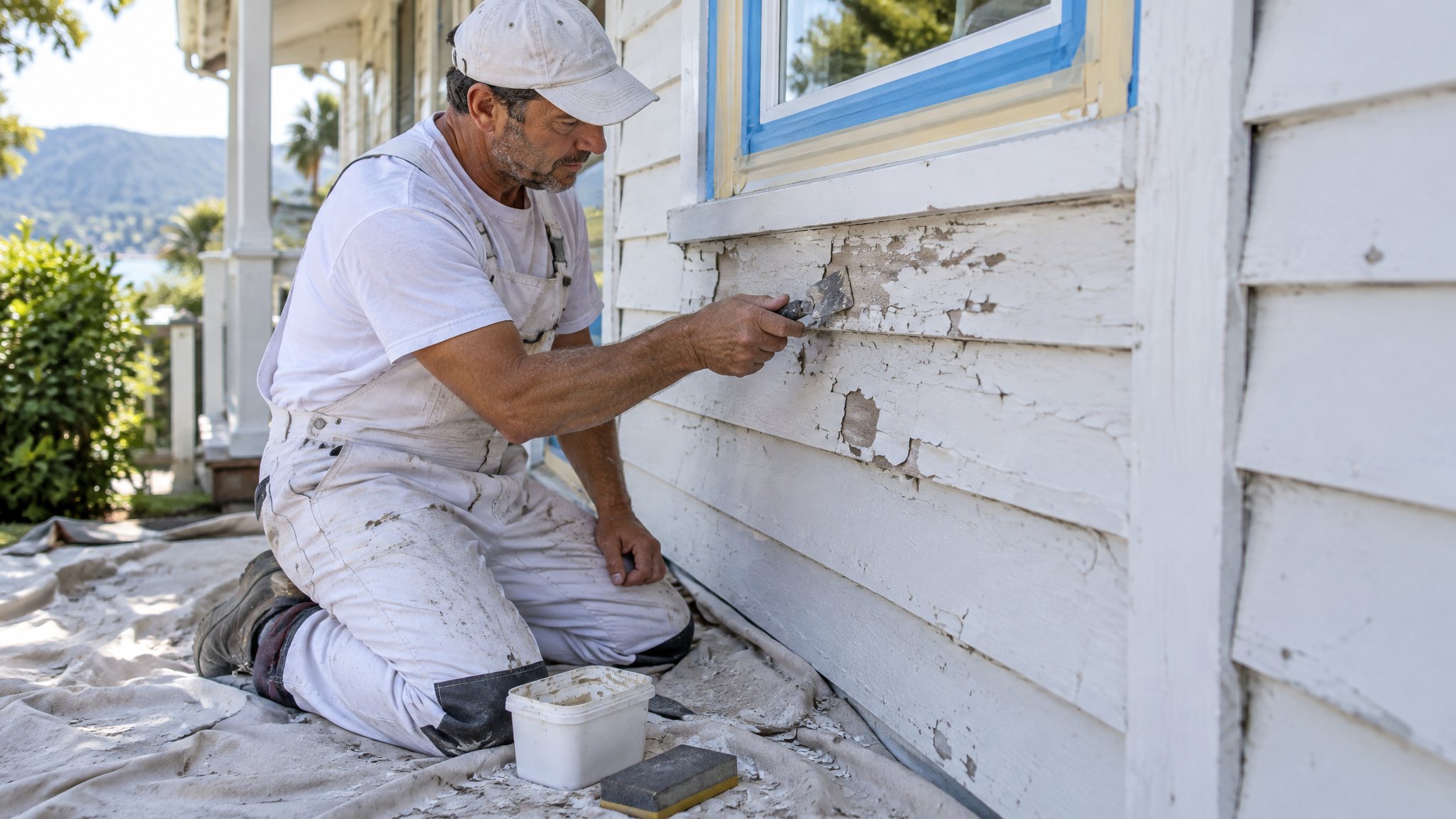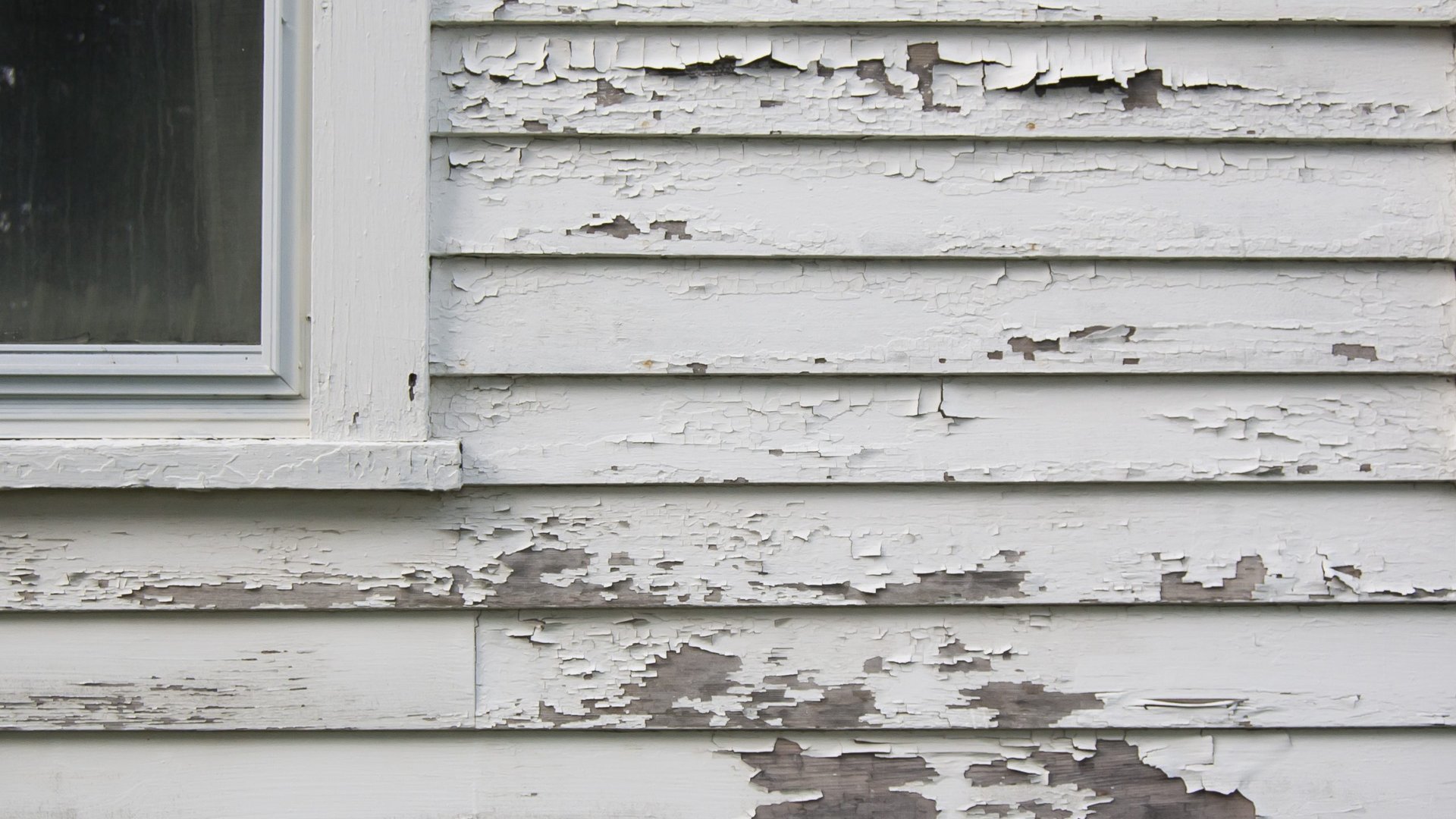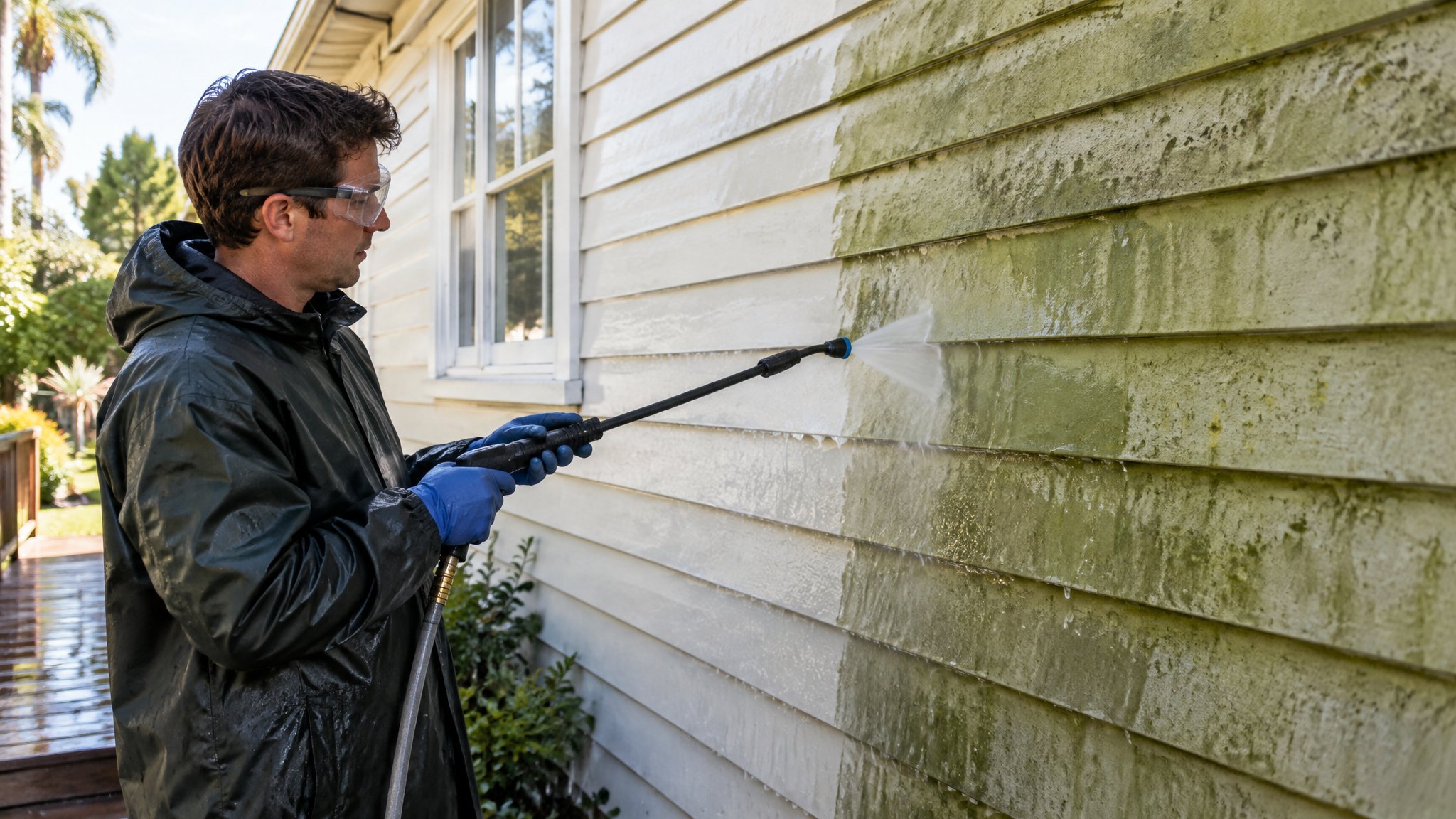
Auckland’s warm, damp climate is perfect for mould, algae and mildew — especially on shaded, south-facing and coastal walls. Painting straight over it is one of the most common causes of a repaint failing early. Here is how it should be done properly.
Why you can’t just paint over mould
Mould is a living organism. Seal fresh paint over it and it keeps growing underneath, pushing the new coating off the surface. Within months you see staining bleed through and the paint starts to lift. The only fix is to kill and remove it first.
The correct process
- Treat the affected areas with a proper anti-mould / moss-and-mould solution and let it do its work.
- Wash the surfaces thoroughly to remove the dead growth, dirt and chalking paint.
- Allow the timber or cladding to dry completely before any paint goes on.
- Prime any bare or stained areas with the appropriate sealer.
- Apply a quality paint system — some include mould-inhibiting additives for problem areas.
Preventing it coming back
Improving airflow, trimming back vegetation touching the house and using a quality paint with mould resistance all help. For persistent problem walls, Steve can recommend the right treatment and system so you are not fighting it every year.
Frequently Asked Questions
Is a water blaster enough on its own?
No. Blasting removes surface growth but not the spores, and high pressure can force water into timber. Proper mould treatment plus a controlled wash is the reliable approach.
Do you offer house washing as part of a repaint?
Yes — thorough washing and mould treatment is a standard part of Steve’s preparation before any exterior repaint.
Need a hand with your project?
Happy to tackle some of it yourself? Great — but for anything you’d rather leave to a professional, Steve Lunjevich is a Kiwi and a trade-qualified painter with 20+ years’ experience. Call or email for honest advice or a free, no-obligation quote.