They might look similar in the tin, but interior and exterior paints are engineered for completely different environments. Using the right product in the right place is one of the simplest ways to make paintwork last.
Exterior paint
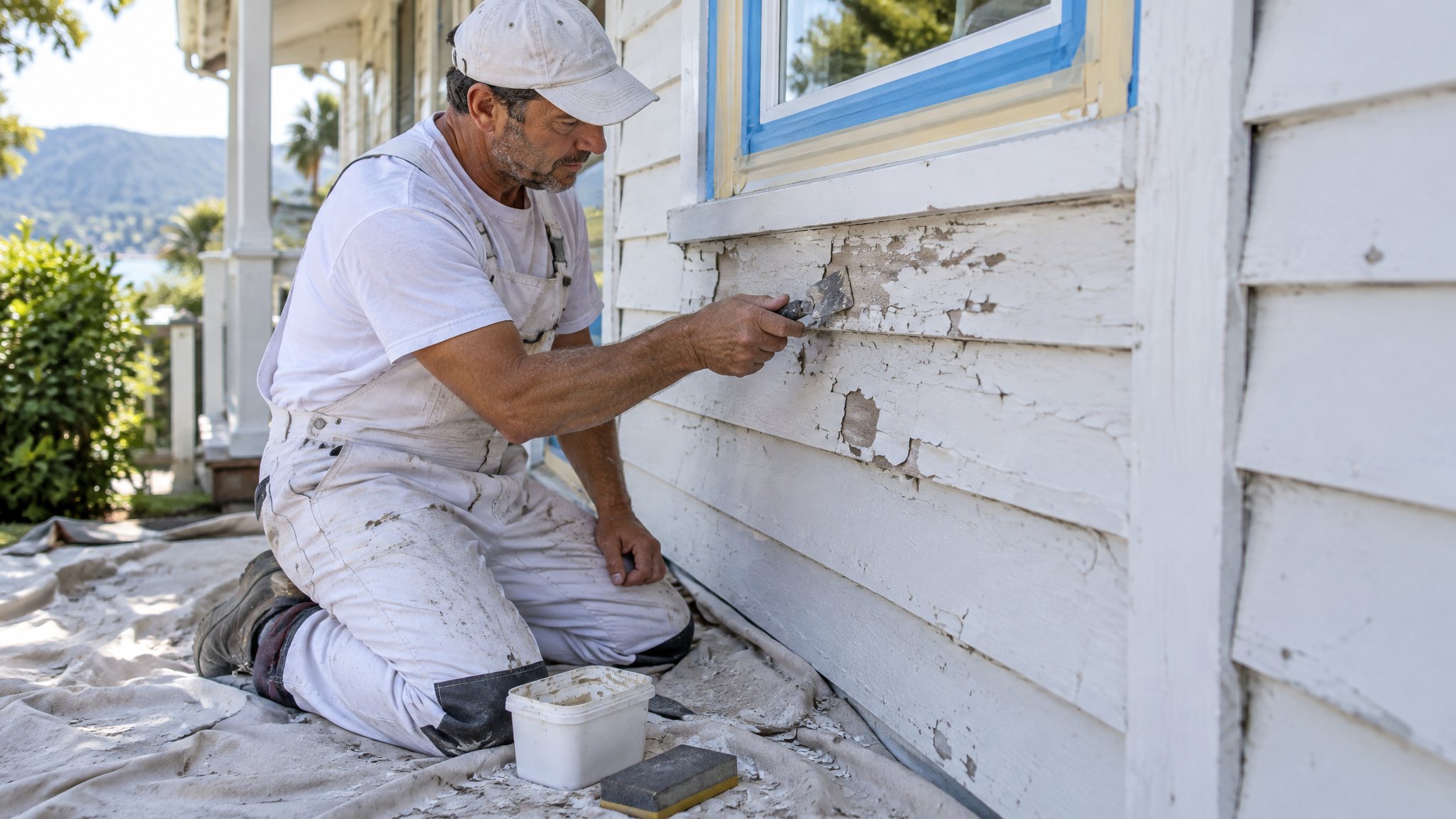
Exterior paints are built to flex with timber as it expands and contracts, to resist UV fading, and to shrug off rain, salt air and mould. They are tougher and more weather-resistant, which is exactly what Auckland conditions demand.
Interior paint
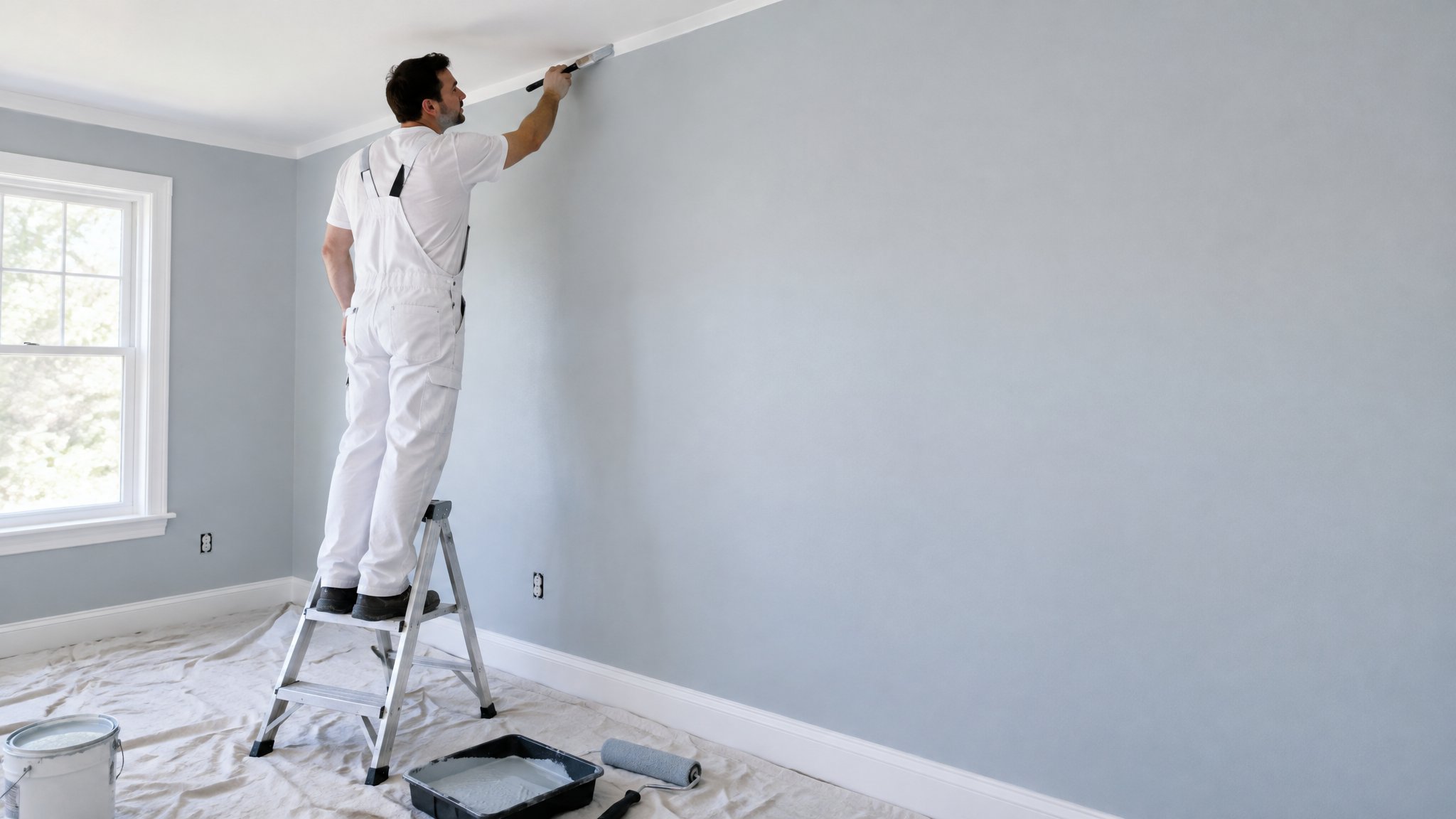
Interior paints prioritise a smooth finish, low odour, easy cleaning and good coverage. They come in a range of sheens — from flat through to semi-gloss — chosen to suit each room, with more washable, moisture-tolerant options for kitchens and bathrooms.
Getting the specification right
Beyond interior versus exterior, the right primer, undercoat and topcoat system depends on the surface and its condition. This is where a trade-qualified painter earns their keep — specifying a complete system that will actually perform on your home.
Frequently Asked Questions
Can I use leftover exterior paint inside?
It’s not recommended. Exterior paints can carry additives and higher odour that aren’t ideal for enclosed living spaces. Use the paint designed for the job.
Need a hand with your project?
Happy to tackle some of it yourself? Great — but for anything you’d rather leave to a professional, Steve Lunjevich is a Kiwi and a trade-qualified painter with 20+ years’ experience. Call or email for honest advice or a free, no-obligation quote.