
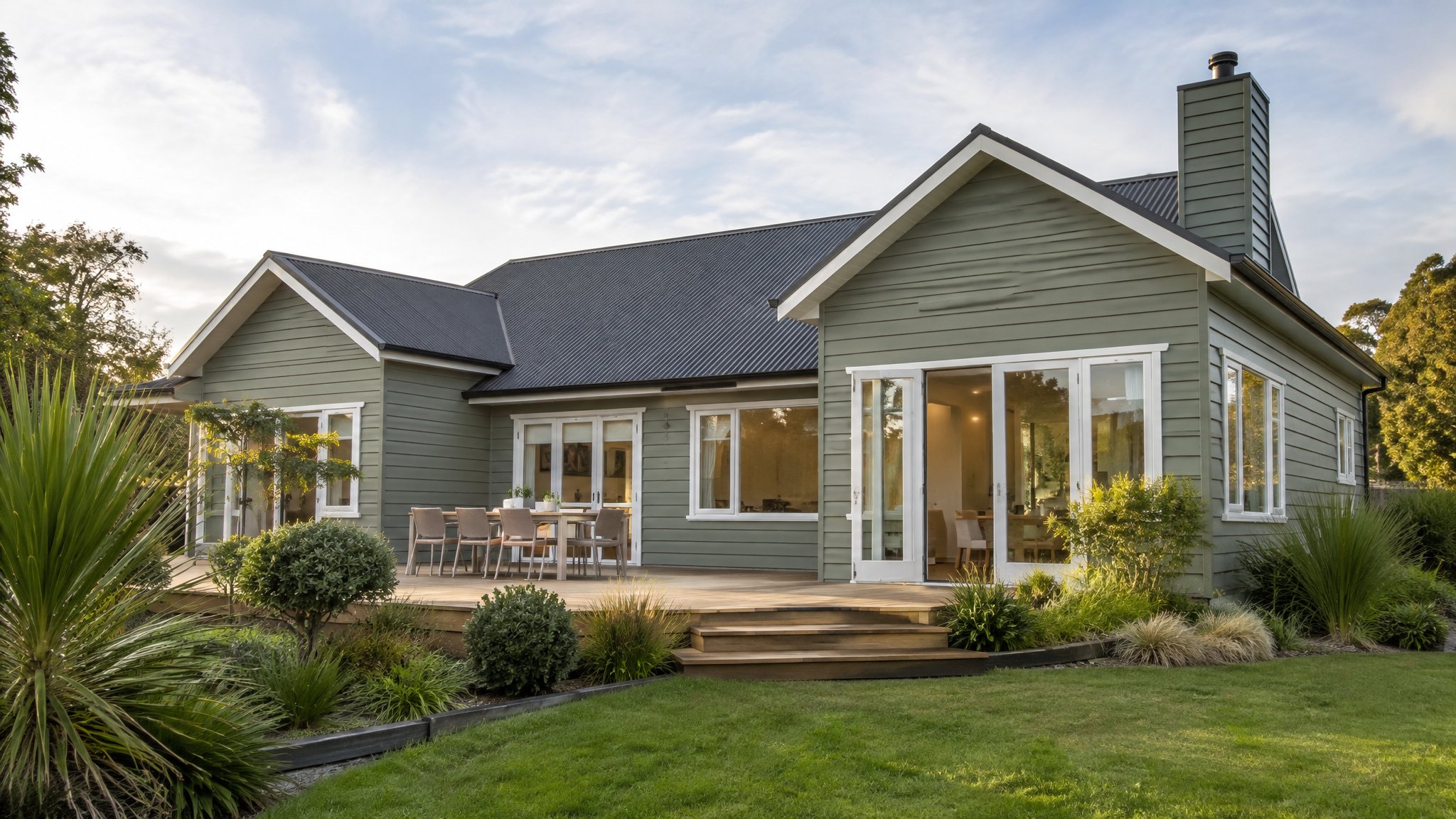
Choosing a paint colour can feel easy in the shop and completely different once it’s on your walls. In Auckland homes, the light changes a lot through the day, so a colour that looks soft and warm in the morning can feel cooler or darker by evening.
The best way to avoid costly repainting is to test properly before you commit. A little time spent upfront can save a lot of second-guessing later.
Start with the right sample pots
Begin by narrowing your options to a small group of colours that suit the room, the light and the style of the home. Don’t try to test ten colours at once. That usually creates confusion rather than clarity.
Use small sample pots from the same paint range and sheen level you plan to use on the final job. A colour can look different in a low-sheen finish compared with a satin or semi-gloss finish, even when the name is the same.
Paint a decent-sized sample area on a couple of walls, not just a tiny square. A patch about A3 size or larger gives you a more honest view of how the colour will read in the room.
- Test no more than 3–4 colours at a time
- Use the right sheen and brand where possible
- Sample on more than one wall if the light varies
Look at the colour in real light
Natural light, artificial light and reflected light all affect how a colour behaves. In Auckland, north-facing rooms can get bright and warm, while south-facing spaces may feel cooler and more muted. What seems like a soft grey in the shop may turn blue, beige or green at home.
Check your samples at different times of day: early morning, midday, late afternoon and after dark with your lights on. Stand back from the wall and look at the colour from the doorway as well as close up.
Also pay attention to the other finishes in the room. Flooring, curtains, benchtops, upholstery and even the colour of the outside view can influence how a paint colour appears.
- Test in daylight and at night
- Compare samples beside trims, flooring and furniture
- Watch for undertones, not just the main colour
Treat sample paint as part of the room, not just the wall
Paint large sample patches on areas that represent the final surface, especially if your walls have texture or are older plaster. A smooth sample card won’t always tell you how the colour will sit on an imperfect wall.
Leave the sample up for at least a day or two. Live with it. Walk past it. Notice whether it feels calm, bright, heavy or washed out. The right colour usually feels comfortable in the room, not just attractive in isolation.
If you’re choosing between warm whites, greys, greens or taupes, compare them to each other on the wall rather than trying to remember what they looked like in the shop. Side-by-side testing makes subtle undertones much easier to spot.
- Sample on the actual surface whenever possible
- Leave patches up for a few days
- Compare colours side by side in the same light
When to call Steve
If you’re still unsure, it’s worth getting a professional eye on the space before you make the final call. Steve is a Kiwi and a trade-qualified painter, and he can help you judge how colours will really behave in your Auckland home, including how they’ll sit with your light, trims and existing finishes.
That’s especially useful for premium homes where the wrong white, grey or feature colour can throw off the whole room. Steve can also advise on test patches, finish levels and whether a colour needs to be adjusted for the space so you can move ahead with confidence.
Frequently Asked Questions
Should I test paint on the wall or on a card?
Wall samples are usually better because they show the colour on the actual surface and under the room’s natural light. Cards can help you shortlist, but they’re not as reliable for the final decision.
How many paint colours should I test?
Three or four is usually plenty. Too many samples can make it harder to see the difference between them, especially if they are close in tone.
How long should I leave paint samples up?
At least 24 to 48 hours is a good start, but longer is better if you can. That gives you time to see the colour in morning light, afternoon light and at night.
Need a hand with your project?
Happy to tackle some of it yourself? Great — but for anything you’d rather leave to a professional, Steve Lunjevich is a Kiwi and a trade-qualified painter with 20+ years’ experience. Call or email for honest advice or a free, no-obligation quote.