
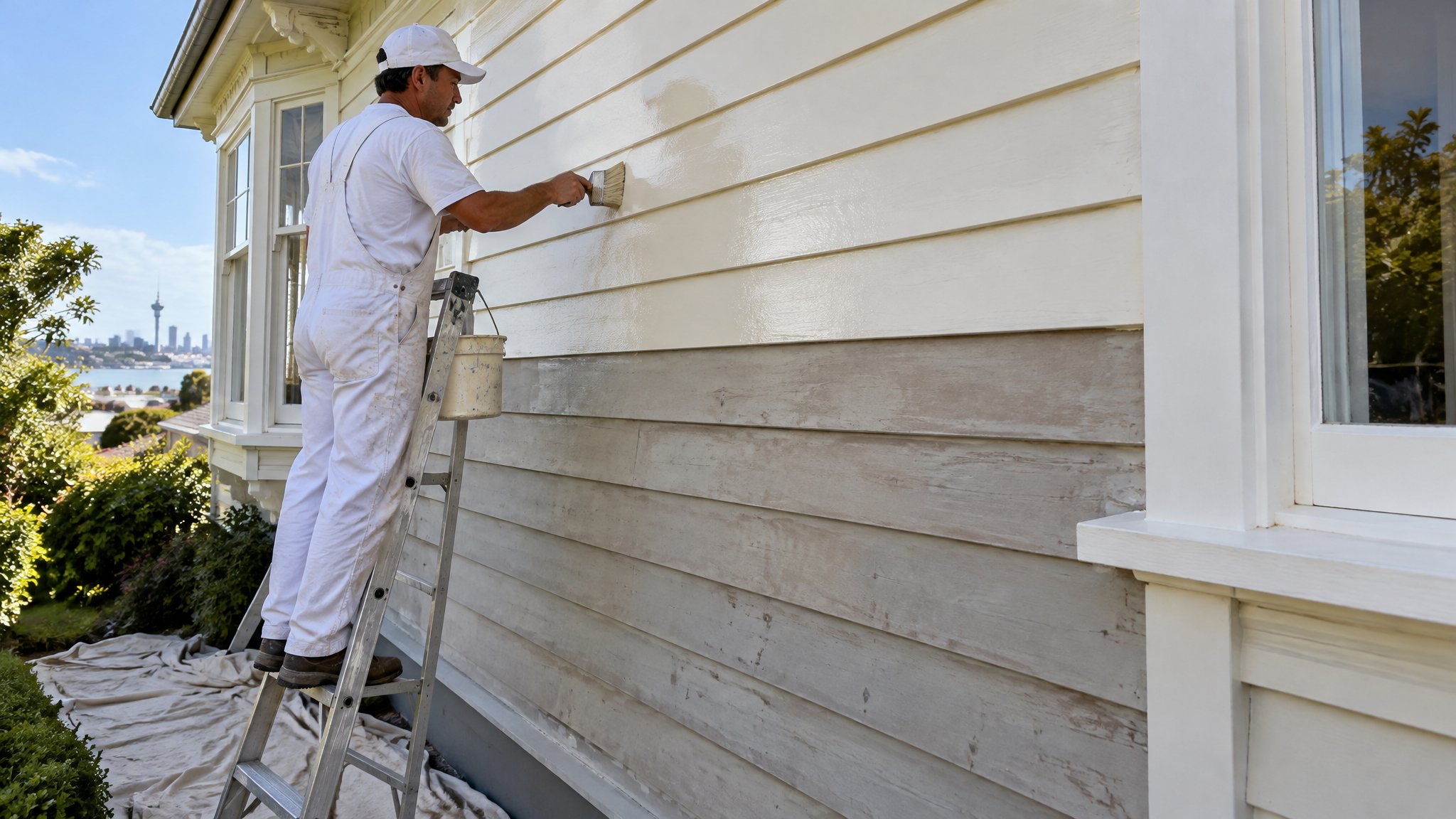
A painted shut or stuck window is a common issue in older Auckland homes, especially where timber joinery has been repainted many times over the years. It can happen when paint bridges the sash to the frame, when humidity swells the timber, or when years of dust and old filler make the window bind.
The good news is that many windows can be freed without breaking the glass or damaging the joinery, provided you work patiently and start gently. If the window is valuable, fragile, or part of a heritage home, it is worth taking extra care before reaching for tools.
Work out why the window is stuck
Before you force anything, inspect the full perimeter of the sash. Look for thick paint lines, old caulk, swollen timber, rusted nails, or a latch that is still holding the window closed. In Auckland’s damp weather, timber can move slightly and make an otherwise workable window feel locked solid.
Check whether the problem is at the top, sides, or sill. If paint is bridging the joint, the window may only need the paint line cut cleanly. If the sash is swollen, you may need a little more patience and careful leverage.
- Remove or loosen the catch or latch first
- Look for paint bridging the moving parts
- Check for swelling, rot, or rusted hardware
- Do not hammer the frame or force the glass
Free the sash gently and safely
Start by running a sharp utility knife or specialist paint scraper along every painted joint where the sash meets the frame. Keep the blade flat against the timber so you only cut the paint line, not the wood. Often this alone will release a lightly painted shut window.
If it still will not move, use a thin putty knife or painter’s multi-tool to work slowly along the edge. Tap it in very lightly with the palm of your hand if needed, but never jam it under the glass. A little silicone spray or wax on the moving timber can help, but avoid soaking the area, as too much liquid can damage paint or soften filler.
Once the sash begins to move, open it a small amount first. Check for any remaining paint spots before opening it fully. This reduces the risk of splitting the timber or cracking the glass.
Avoid common mistakes that cause damage
The biggest mistake is using too much force. If a window is dragged open against stuck paint or swollen timber, the glass can crack, the sash can split, and the frame can chip badly. Another common problem is using a screwdriver or pry bar in the wrong place, which can bruise soft timber and leave permanent marks.
If the window is old, painted many times, or showing signs of rot, treat it as a delicate repair job rather than a quick fix. Some windows also have hidden stops, pegs, or hardware that need to be removed in the right order.
- Do not use excessive leverage
- Do not pry directly against glass
- Do not cut so deep that you damage the timber
- Stop if you see cracks, rot, or loose glazing
When to call Steve
If the window is still stuck after careful cutting, or if it is an older timber window with brittle paint and fragile glazing, it is best to get professional help. Steve is a Kiwi and a trade-qualified painter, and he can assess whether the issue is paint build-up, swollen timber, or a repair problem that needs a more careful approach.
For premium Auckland homes, especially where the joinery is original or heritage-style, it is worth protecting the existing window rather than taking risks. Steve can advise on the safest way to free the sash, tidy up damaged paint lines, and recommend the right prep if the window needs repainting afterwards.
Frequently Asked Questions
Can I use a knife to open a painted shut window?
Yes, but only a sharp utility knife or specialist scraper used carefully along the paint line. Keep the blade flat and avoid cutting into the timber or forcing the sash.
What if the window still won’t open after cutting the paint?
If it is still stuck, the timber may be swollen, the hardware may be binding, or there may be hidden paint build-up. Stop before you damage the frame and get advice from Steve, a Kiwi and a trade-qualified painter.
Will opening the window damage the paint?
It can chip if the paint has bridged the moving parts. If that happens, the edge may need scraping, sanding, priming, and repainting so the window opens smoothly next time.
Need a hand with your project?
Happy to tackle some of it yourself? Great — but for anything you’d rather leave to a professional, Steve Lunjevich is a Kiwi and a trade-qualified painter with 20+ years’ experience. Call or email for honest advice or a free, no-obligation quote.