
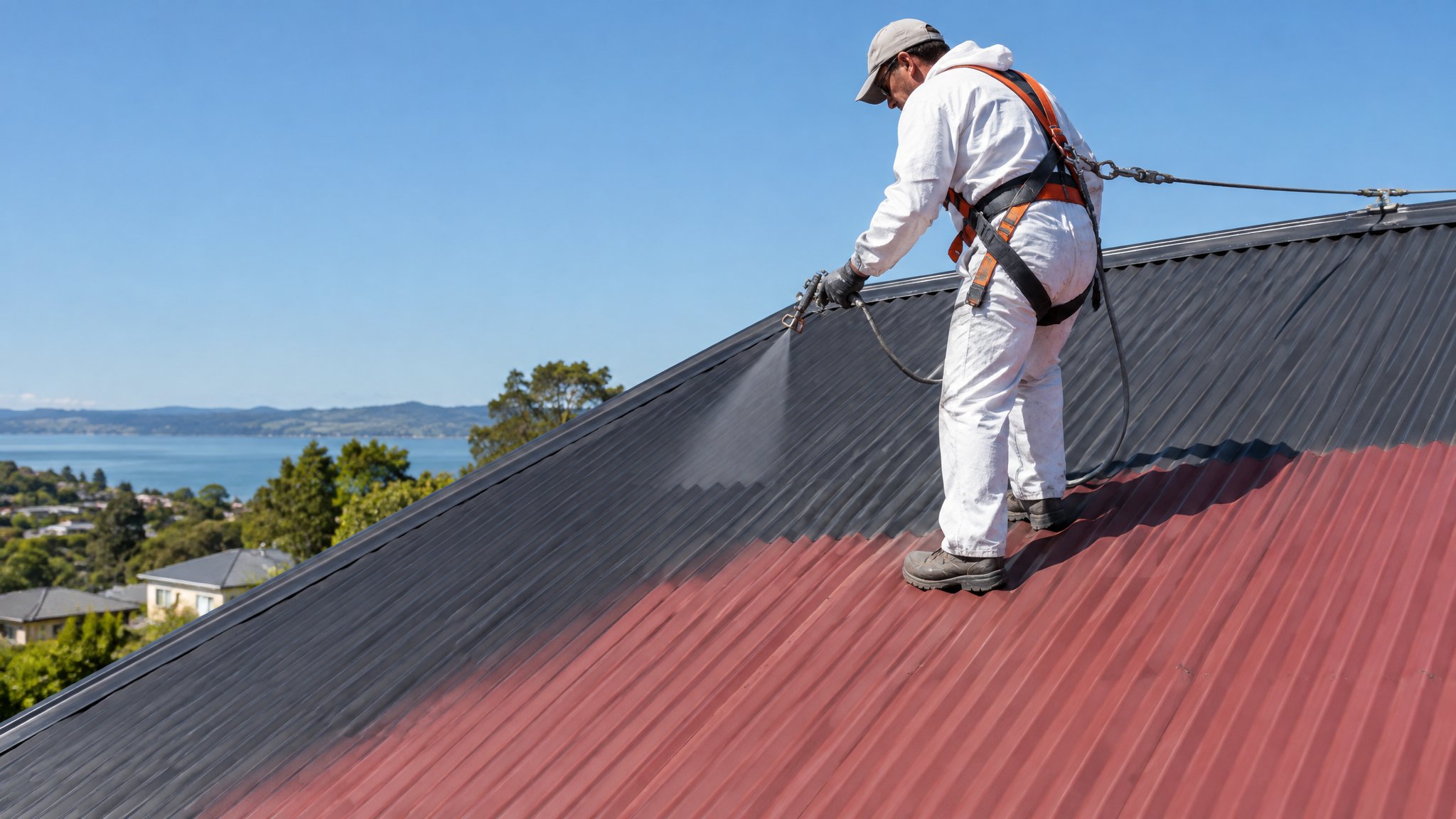
A workmanship warranty should give you confidence that a roof painting job will hold up properly. But not every warranty is worth the paper it’s printed on.
If you’re comparing roof painters in Auckland, the key is to check what the warranty actually covers, how long it lasts, and whether the company behind it is properly set up to honour it.
Start with the paperwork, not the promise
A legitimate workmanship warranty should be in writing, not just mentioned in a quote or sales conversation. Ask for the full terms before you accept the job.
A proper warranty will usually explain what is covered, what is excluded, the warranty period, and who is responsible for repairs if something goes wrong.
If the wording is vague, missing, or overly complicated, that is a warning sign. A good roof painter should be able to explain the warranty clearly in plain language.
- Check that the business name on the warranty matches the quote and invoice
- Look for a specific warranty period, not words like ‘lifetime’ without detail
- Confirm whether the warranty covers workmanship only, or materials as well
- Make sure exclusions are reasonable and clearly listed
Look for signs the warranty can actually be honoured
A warranty is only useful if the painter is still around and accountable when you need them. That means checking the company’s details, trading history, and contact information.
You do not need to investigate like a detective, but you should make sure the business is real, established, and easy to reach. A mobile number alone is not enough.
It also helps to ask who will do the work. A legitimate warranty is stronger when the roof painter uses trained staff, follows proper prep and coating methods, and documents the job from start to finish.
- Ask for a physical business address and a clear way to contact them
- Check that the invoice and warranty come from the same legal entity
- Ask what happens if a fault appears after completion
- See whether the company provides aftercare instructions and maintenance guidance
Watch for red flags in roof painting warranties
Some warranties sound impressive but fall apart under closer inspection. Be cautious if the painter says the roof is ‘guaranteed for life’ but refuses to put the terms in writing.
Another red flag is a warranty that excludes almost everything important, such as peeling, coating failure, adhesion problems, or poor surface preparation. If the main risks are excluded, the warranty may not protect you at all.
You should also be wary of a painter who pressures you to sign quickly, avoids questions, or gives you a one-page promise with no detail. For premium Auckland homes, a proper roof painting job should come with professional documentation and clear accountability.
- No written terms or no signature from the business
- Unclear start and end dates
- Excessive exclusions that remove real protection
- No explanation of what counts as workmanship failure
- Promise depends on verbal assurances only
When to call Steve
If you are unsure whether a roof painter’s workmanship warranty is genuine, Steve can help you assess it before you commit. Steve is a Kiwi and a trade-qualified painter, and he understands what a proper roof painting warranty should look like in Auckland conditions.
He can talk you through the quote, the warranty wording, and the practical signs of a well-run job, so you can make a confident decision. If you want straight advice before your roof painting project goes ahead, contact Steve for a clear, no-nonsense opinion.
Frequently Asked Questions
What should a roof painting workmanship warranty include?
It should set out what is covered, what is excluded, how long the warranty lasts, and what happens if there is a fault. It should be in writing and tied to the correct business name.
Is a verbal warranty enough?
No. A verbal promise is hard to prove later. Always ask for the warranty in writing and make sure it matches the quote and invoice.
How long should a roof painter’s warranty last?
That depends on the job and the products used, but the important thing is not just the length. It should be realistic, clearly written, and backed by a business that will still be contactable if needed.
Need a hand with your project?
Happy to tackle some of it yourself? Great — but for anything you’d rather leave to a professional, Steve Lunjevich is a Kiwi and a trade-qualified painter with 20+ years’ experience. Call or email for honest advice or a free, no-obligation quote.