
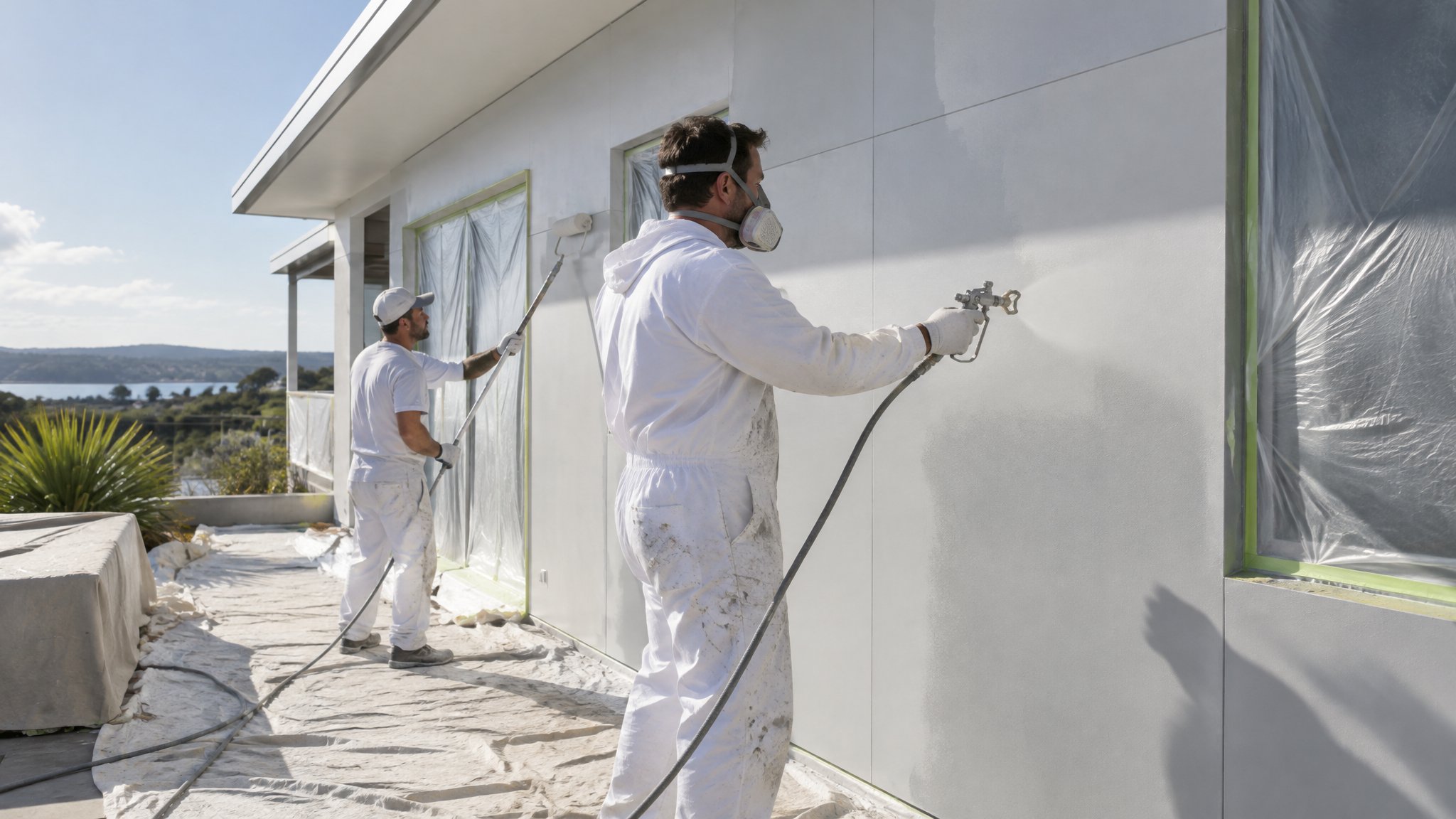
If you’re hiring a plasterer for a home or property in Auckland, checking public liability insurance is one of the first things to sort out. It helps protect you if something goes wrong during the job, such as damage to your home, windows, flooring, or neighbouring property.
A reputable plasterer should not have a problem confirming their cover. The key is knowing what to ask for, what to look for, and how to tell whether the paperwork is current and relevant to the work being done.
What public liability insurance should cover
Public liability insurance is designed to cover accidental damage or injury to other people or property caused by the contractor’s work. For plastering, that could include overspray, dropped tools, accidental damage to finishes, or an incident involving visitors or neighbours while the site is active.
It is worth noting that insurance is not a replacement for good workmanship, tidy site practice, or proper preparation. A well-run plastering job should still include dust control, surface protection, safe access, and care around existing finishes.
- damage to your home or contents
- damage to neighbouring property
- injury to third parties linked to the work
- site incidents during preparation or application
How to check a plasterer’s insurance properly
Start by asking the plasterer directly whether they hold current public liability insurance and requesting a certificate of currency or insurance confirmation. A genuine contractor should be able to supply this quickly.
Check that the certificate shows the business name exactly as it appears on the quote or invoice. The dates should be current, the type of cover should mention public liability, and the policy amount should be clearly stated. If the business name, dates, or cover details look vague, ask for clarification before work starts.
You should also ask whether the policy covers the actual scope of your job. A small interior repair and a major exterior prep job may carry different risks, so the plasterer should confirm the work is within the policy terms.
If you want extra peace of mind, ask for the business’s NZBN or company details and match them against the paperwork. That helps you confirm you are dealing with the correct legal entity.
Warning signs that the cover may not be genuine
If a contractor is reluctant to provide evidence, gives a rushed answer, or says they are “covered through someone else” without documentation, treat that as a red flag. Good tradespeople expect clients to ask sensible questions.
Be cautious if the quote is unusually informal, the business name changes between documents, or the contractor only offers verbal reassurance. Insurance should be something you can verify in writing.
It is also wise to check whether they have the right experience for your type of property. In suburbs like Remuera, Ponsonby, Parnell, or Devonport, older homes can have delicate surfaces, heritage details, and moisture-related issues that need proper prep and careful handling.
When to call Steve
If you are unsure what level of insurance, prep, or plastering experience your project needs, contact Steve. He is a Kiwi and a trade-qualified painter, and he can talk you through what to check before any plastering or painting work begins. Steve also understands how to assess the condition of walls, ceilings, and exterior surfaces so the job is set up properly from the start.
Whether you are managing a premium home in Herne Bay, a villa in Grey Lynn, or a townhouse in Epsom, a careful inspection and clear paperwork can save a lot of hassle later. Steve can help you spot the practical details that matter and make sure you are dealing with a contractor who takes protection, preparation, and quality seriously.
Frequently Asked Questions
Is public liability insurance required for plasterers in NZ?
It is not a universal legal requirement for every plasterer, but it is strongly recommended. Many homeowners and property managers expect it before work starts because it helps protect against accidental damage or injury.
Can I just ask for proof of insurance by email?
Yes. Ask for a certificate of currency or insurance confirmation by email before the job begins. Make sure the business name, cover type, and dates are clear and current.
What if the plasterer says they are insured but won’t show me anything?
That is a warning sign. If they cannot provide written evidence, it is best to pause and keep looking. A professional contractor should be comfortable proving their cover.
Need a hand with your project?
Happy to tackle some of it yourself? Great — but for anything you’d rather leave to a professional, Steve Lunjevich is a Kiwi and a trade-qualified painter with 20+ years’ experience. Call or email for honest advice or a free, no-obligation quote.