
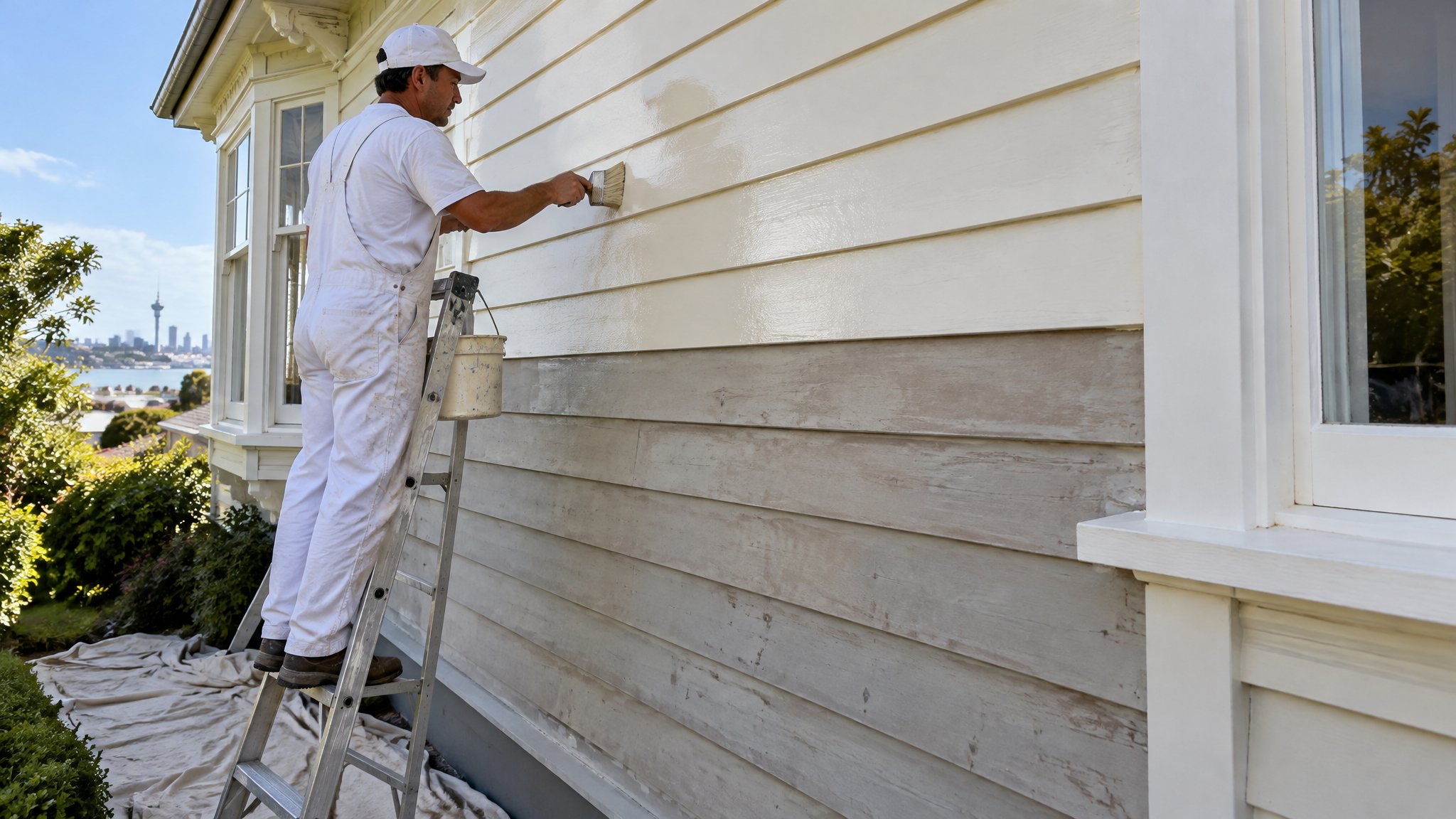
When you hire a painter, you are not just paying for a fresh finish. You are also paying for confidence that the work has been done properly and that any genuine issues will be put right.
A good guarantee or warranty should be clear, fair and practical. It should tell you what is covered, for how long, and what is excluded, so there are no surprises once the brushes are packed away.
What a good painter warranty should cover
A proper painting warranty should cover workmanship, not just the paint product itself. That means if the painter has caused a problem through poor preparation, incorrect application or faulty finishing, they should stand behind their work.
Common workmanship issues include peeling caused by poor prep, lap marks, uneven coverage, visible sanding flaws, drips, missed areas and premature failure where the coating system was not applied correctly.
A trustworthy painter should also be upfront about whether the warranty is for interior work, exterior work, or both. Exterior coatings in Auckland face more weather exposure, so the warranty terms may differ from an internal repaint.
- workmanship defects caused by the painter
- poor surface preparation
- incorrect product application
- obvious finishing faults
- premature coating failure from application errors
What should be written into the warranty
If a guarantee is worth having, it should be in writing. A written warranty helps both sides understand what is included and what is not.
Look for a document that clearly states the scope of work, the surfaces covered, the expected standards, the time period of the warranty, and the process for making a claim. It should also note any exclusions, such as pre-existing substrate movement, leaks, rust coming through from hidden damage, or failures caused by others after the job is complete.
It is also sensible for the painter to specify which paint system was used, especially for exterior projects. Different coatings perform differently on timber, plaster, brick and metal, and the warranty should match the system recommended for the surface.
A strong warranty is usually supported by proper prep, the right primers, and products suited to Auckland conditions, rather than promises alone.
How to tell if a guarantee is worth trusting
The best warranty is backed by the painter’s reputation and process. If a painter talks clearly about preparation, sanding, masking, repairs and drying times, that is usually a good sign they care about the result.
Be cautious if the warranty sounds vague or too good to be true. A short, honest guarantee from a skilled tradesperson is often more useful than a big promise with lots of fine print.
Before you agree to the work, ask a few simple questions:
A reliable painter should be able to explain their guarantee in plain English and show you where the responsibility sits if something goes wrong.
- What exactly does the warranty cover?
- How long does it last?
- What is excluded?
- What happens if a defect appears?
- Is the warranty tied to the paint system used?
When to call Steve
If you want straight answers about guarantees and warranties before you commit to a painting job, contact Steve, a Kiwi and a trade-qualified painter. He can explain what should be covered for your home, whether you are painting a villa in Ponsonby, a family home in Epsom, or an exterior in Devonport.
Steve will talk you through the workmanship expectations, the right coating system for the surface, and what a fair warranty should look like for your project. That way, you can make a confident decision before work begins.
Frequently Asked Questions
Should a painter offer a warranty on all work?
Most professional painters should offer some form of warranty on workmanship, but the details can vary depending on the project, surface and products used. Always ask for the terms in writing.
Does a paint product warranty cover the whole job?
Not usually. Product warranties often relate to the paint itself, while the painter’s warranty covers workmanship. You need both to be confident the job is properly protected.
What if peeling happens because of hidden damage?
If the problem comes from moisture, leaks, movement or another hidden issue outside the painter’s control, it may not be covered. A good painter should explain these exclusions before starting.
Need a hand with your project?
Happy to tackle some of it yourself? Great — but for anything you’d rather leave to a professional, Steve Lunjevich is a Kiwi and a trade-qualified painter with 20+ years’ experience. Call or email for honest advice or a free, no-obligation quote.