
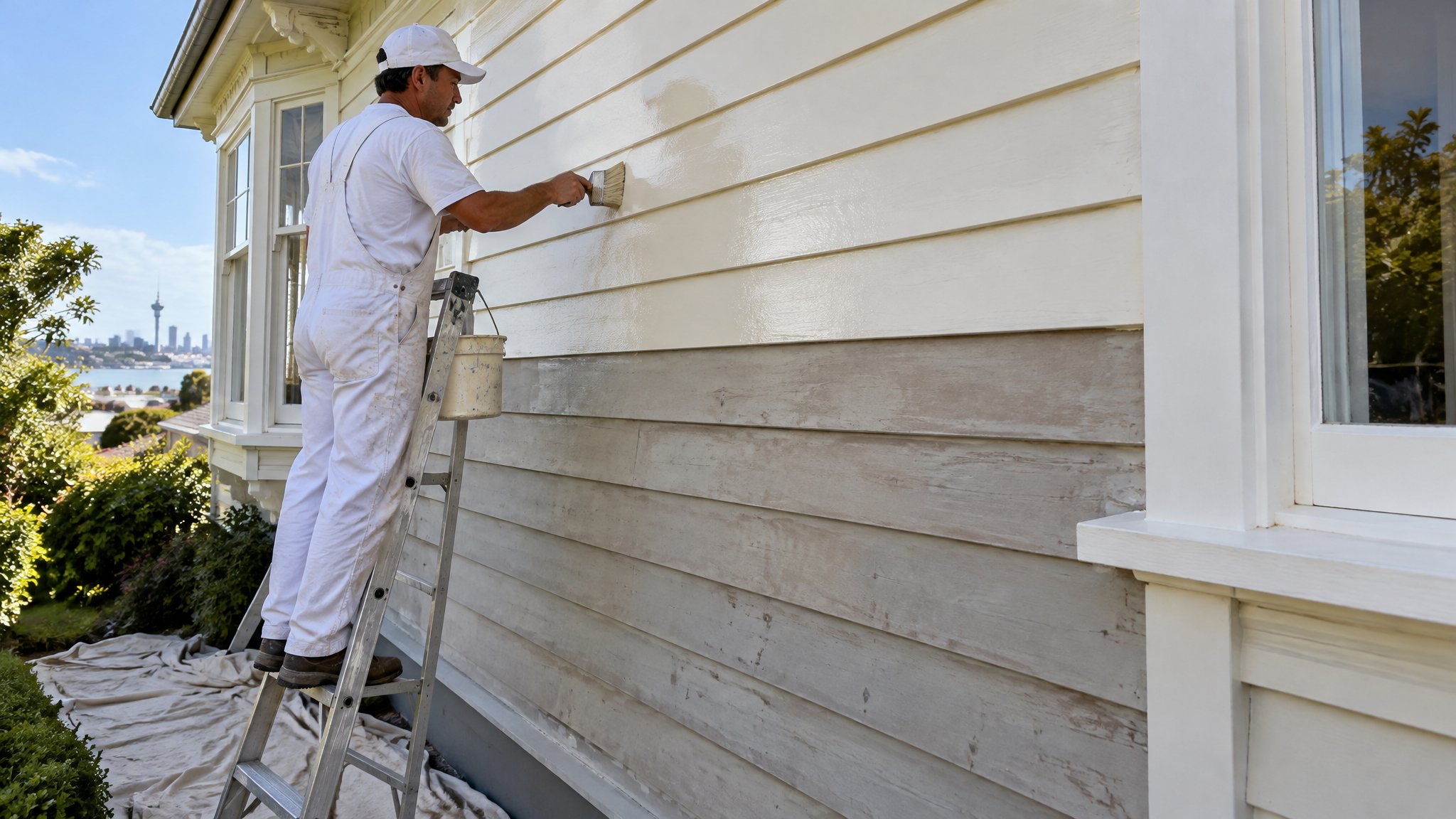
Yes, you can often use a hired aluminium scaffold tower for second storey window painting — but only if the tower is the right type, set up correctly, and suitable for the ground and access around your home.
For Auckland homes, especially where there are uneven paths, narrow side passages, or soft lawns, the big question is not just whether the tower will reach. It is whether it can be used safely and practically without risking a fall, damaging the property, or creating a difficult setup.
Is a scaffold tower suitable for second storey windows?
A scaffold tower can be a good option for painting upper-level windows because it gives you a stable platform, room to move, and both hands free for prep and paint work. That is usually much safer and more comfortable than balancing on a ladder for a long period.
That said, not every hired tower will suit every house. You need enough working height to reach the window safely, not just stretch to it. You also need to think about whether the tower can be assembled in the right place and whether the base can sit level and firm.
- Choose a tower with the correct working height for the job, not just overall frame height.
- Check the ground is level, firm, and free of trip hazards.
- Make sure there is enough space to assemble and move the tower safely.
- Confirm the tower is rated for your intended use and follows the hire company’s instructions.
Safety issues to think about before you hire
For second storey work, the main risks are instability, overreaching, and poor access. A tower can feel solid, but if it is on sloping ground, soft soil, pavers, or near steps, it may need levelling devices or another access method altogether.
You should also consider wind. In Auckland, an exposed site can become unsafe quickly, particularly around coastal suburbs such as Devonport, Orakei, Mission Bay, and St Marys Bay. A tower that is fine on a still morning may be a poor choice once the breeze picks up.
If you are painting timber windows, you will often be sanding, scraping, filling, and caulking as well as painting. That means you may need to stay in position for longer, so comfort and stability matter just as much as reach.
Practical tips if you do it yourself
If you are set on using a hired aluminium scaffold tower, plan the job carefully before you start. Measure the height to the sill, check the width of the access route, and confirm whether the tower can pass through gates, side passages, or landscaping without damage.
Keep the setup tidy and simple:
Work only on a level base with the brakes or stabilisers engaged where required.
Do not stand on boxes, planks, or the top guardrail to gain extra reach.
Move the tower rather than leaning out too far.
Keep tools and paint containers secure so nothing can fall onto people or property below.
If the window is difficult to access, has rotten timber, or sits above a conservatory, deck, or carport, it may be better to change the access plan rather than force the tower to fit.
When to call Steve
If you are unsure about height, access, or whether a scaffold tower is the safest option, it is worth getting advice before you hire anything. Steve is a Kiwi and a trade-qualified painter, and he can help you work out the best way to approach second storey window painting without unnecessary risk.
For many Auckland homes, a professional painter will also spot issues that are easy to miss from ground level, such as failing putty, moisture damage, brittle timber, or areas that need special preparation before paint goes on. That advice can save time, reduce stress, and help the finish last longer.
Frequently Asked Questions
Do I need a scaffold tower for second storey window painting?
Not always, but a scaffold tower is often a safer and more practical option than a ladder if you need to spend time prepping and painting. The right access method depends on height, ground conditions, and how much reach the window needs.
Can I use a scaffold tower on a sloping driveway or lawn?
Sometimes, but only if the tower system is designed to be levelled correctly and the surface is suitable. If the ground is uneven, soft, or unstable, do not assume it will be safe.
Is it better to hire a tower or hire a painter for upper windows?
If it is a small, straightforward job and you are confident with the access and safety setup, hiring a tower may be fine. If the windows are high, awkward, weather-exposed, or in poor condition, a professional is usually the better call.
Need a hand with your project?
Happy to tackle some of it yourself? Great — but for anything you’d rather leave to a professional, Steve Lunjevich is a Kiwi and a trade-qualified painter with 20+ years’ experience. Call or email for honest advice or a free, no-obligation quote.